
Pan Seared Halibut
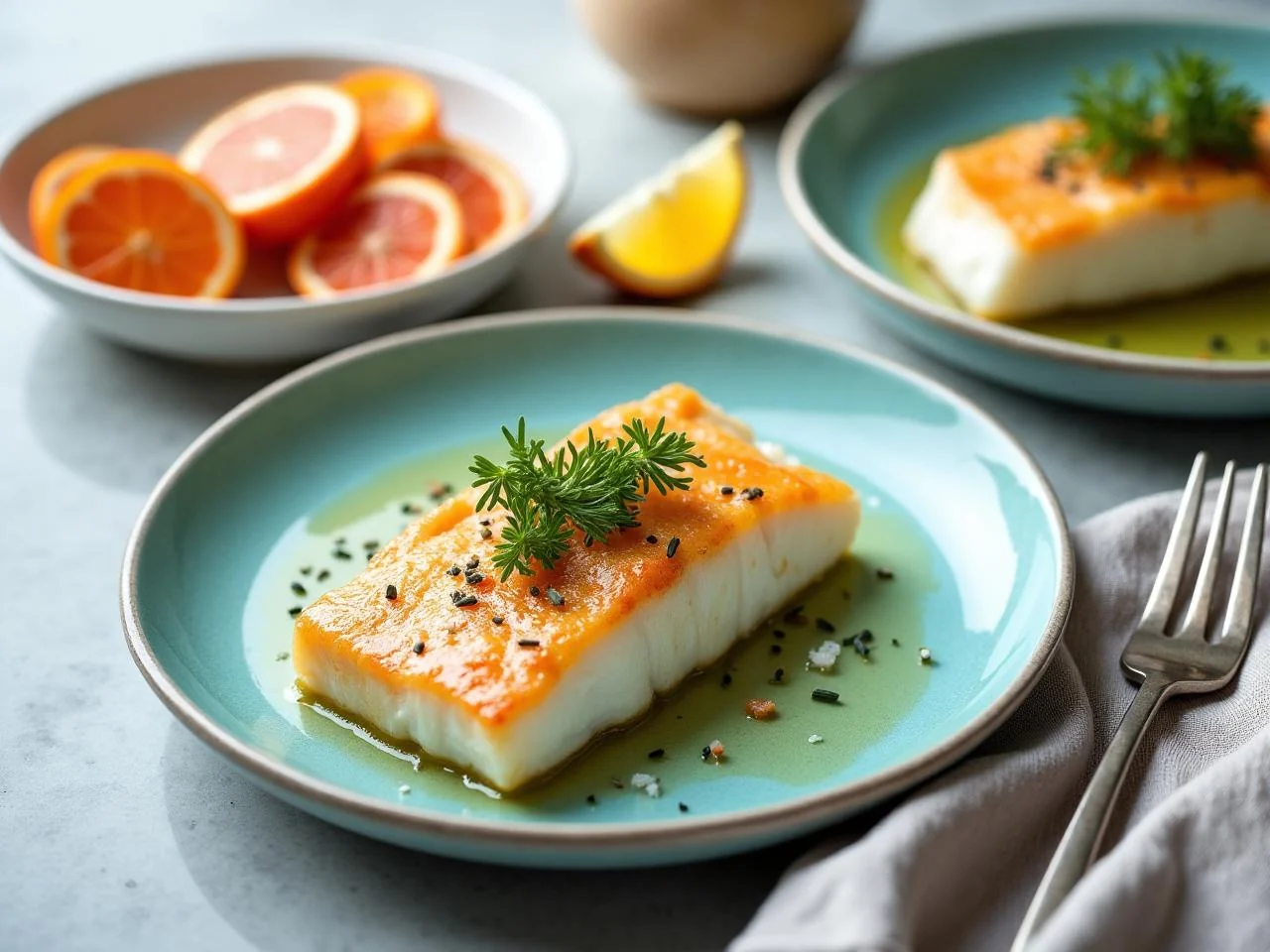
As a coastal home cook and former fishmonger's daughter, I'm excited to share with you my favorite recipe for pan-seared halibut. This dish is perfect for a weeknight dinner or a special occasion. I remember my father bringing home fresh halibut from the market and my mother cooking it to perfection in a skillet. The smell of the sizzling fish and the sound of the sputtering oil still bring back fond memories of my childhood.
Halibut is a firm-fleshed fish that holds up beautifully to pan-searing. It has a delicate flavor and a flaky texture that pairs well with a variety of seasonings and sauces. In this recipe, we'll use a simple seasoning blend and a compound butter to add flavor to the fish.
One of the best things about pan-searing halibut is that it's quick and easy. The fish cooks in just a few minutes per side, and the resulting dish is moist and flavorful. Whether you're a seasoned cook or a beginner, this recipe is sure to become a staple in your kitchen.
In this recipe, we'll cover the basics of pan-searing halibut, including how to choose the right fish, how to season it, and how to cook it to perfection. We'll also discuss some common mistakes to avoid and provide some tips for making the dish even better.
Why You’ll Love This Recipe
- This recipe is easy to make and requires minimal ingredients.
- The dish is perfect for a weeknight dinner or a special occasion.
- Halibut is a firm-fleshed fish that holds up beautifully to pan-searing.
- The recipe is quick and easy, with the fish cooking in just a few minutes per side.
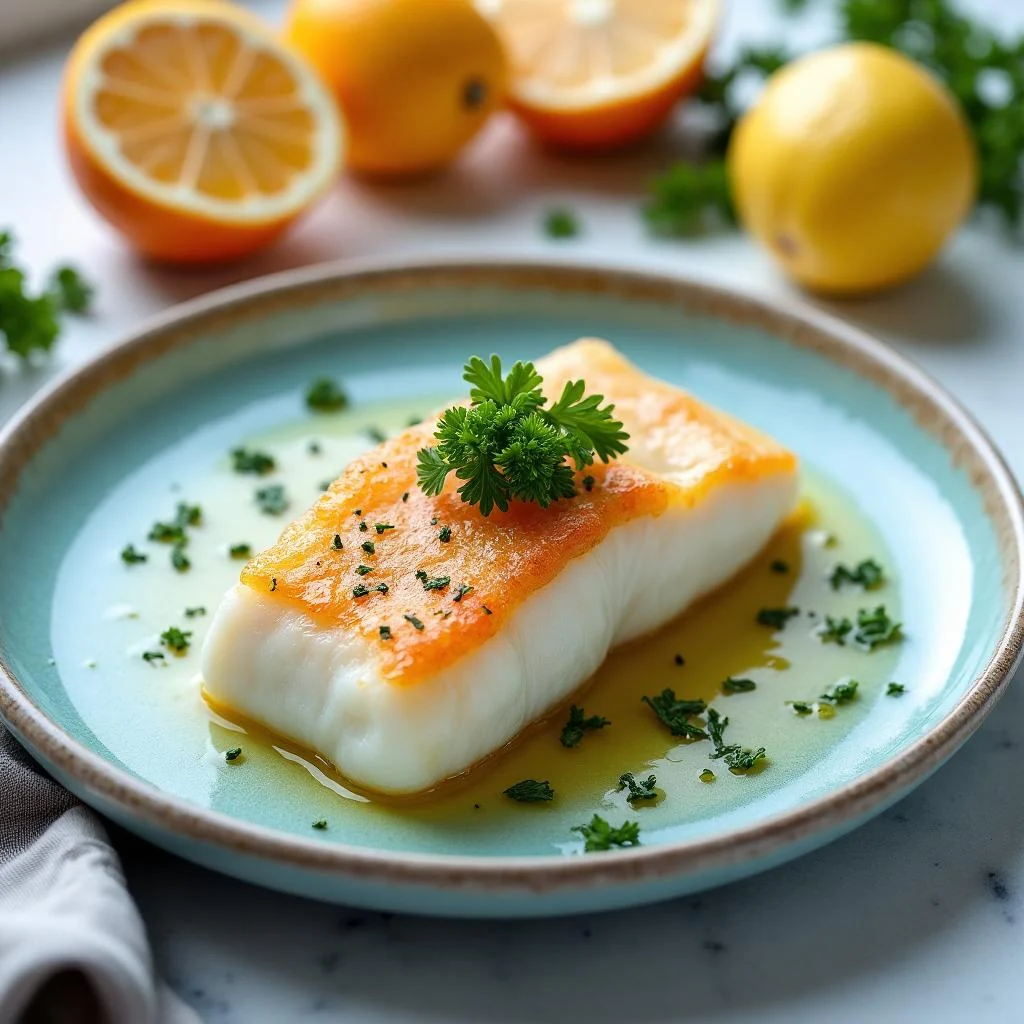
- The resulting dish is moist and flavorful, with a crispy crust and a tender interior.
- The recipe is versatile and can be paired with a variety of sides and sauces.
Why This Recipe Works
The key to cooking perfect pan-seared halibut is to use high heat and a small amount of oil. This helps to create a crispy crust on the fish while keeping the inside moist and tender. We'll also use a thermometer to ensure that the fish is cooked to a safe internal temperature of 145 F (63 C).
Another important factor in cooking pan-seared halibut is the seasoning. We'll use a simple blend of salt, pepper, and herbs to add flavor to the fish. The compound butter we'll make will add an extra layer of flavor and moisture to the dish.
Finally, we'll discuss the importance of resting the fish after cooking. This allows the juices to redistribute and the fish to stay moist and tender. By following these simple steps, you'll be able to create a delicious and impressive pan-seared halibut dish at home.
Ingredients You’ll Need
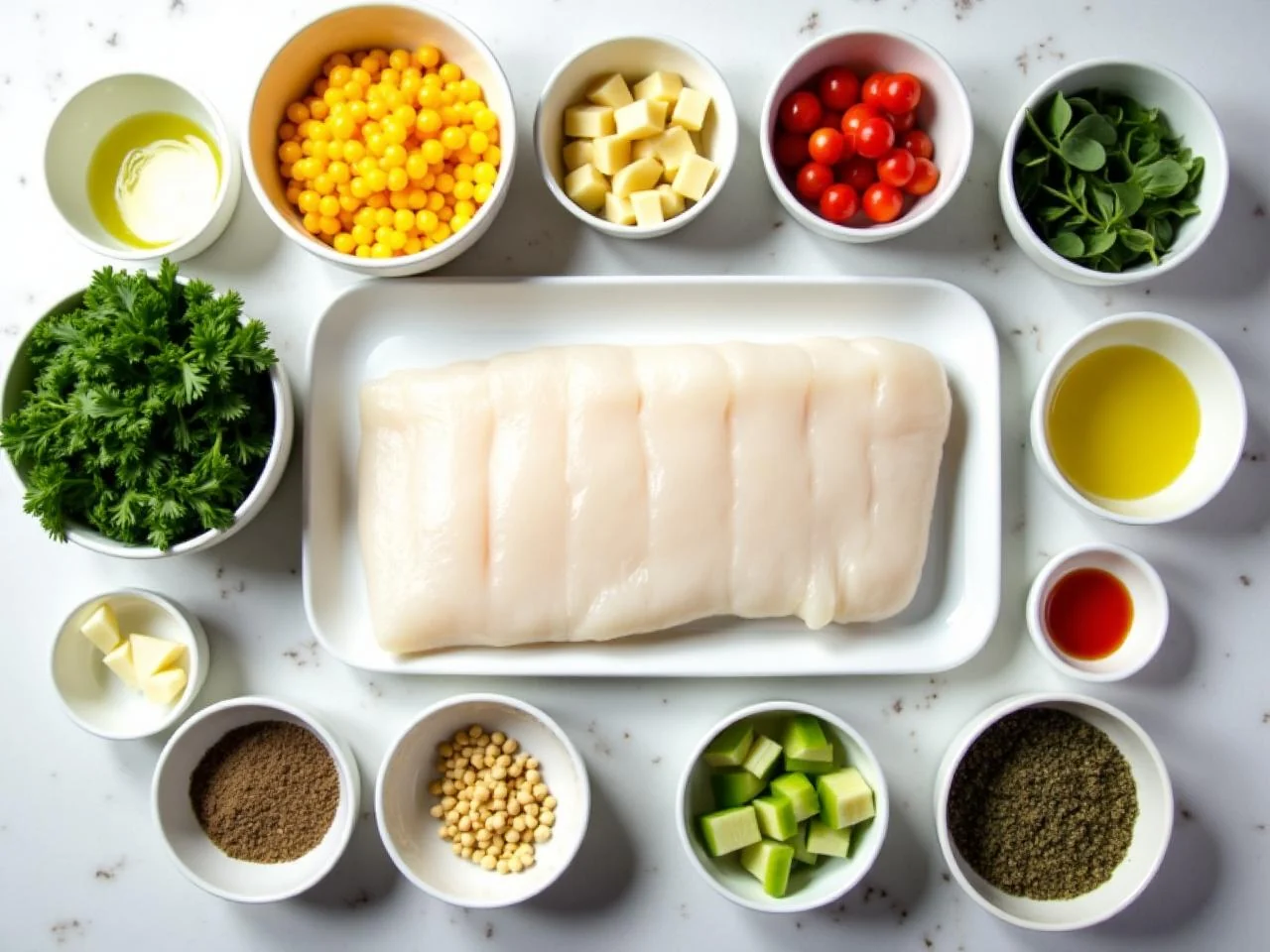
To make this recipe, you'll need a few simple ingredients, including fresh halibut, salt, pepper, and herbs. You'll also need some butter and oil for cooking. Be sure to choose a high-quality fish and use fresh ingredients for the best flavor.
When shopping for halibut, look for firm, white flesh with a slightly sweet smell. Avoid fish with a strong odor or soft, flaky texture. You can also ask your fishmonger for advice on choosing the best fish.
- 4 halibut fillets, 6 oz (170g) eachLook for firm, white flesh with a slightly sweet smell. Avoid fish with a strong odor or soft, flaky texture.
- 2 tbsp (30g) unsalted butter, softenedUse high-quality butter for the best flavor. You can also use other types of butter, such as salted or browned butter.
- 2 tbsp (30g) olive oilUse a high-quality oil with a mild flavor. You can also use other types of oil, such as avocado or grapeseed oil.
- 2 tbsp (15g) chopped fresh parsleyUse fresh parsley for the best flavor. You can also use other herbs, such as dill or basil.
- 1 tsp (5g) saltUse a high-quality salt, such as kosher or sea salt. Avoid using table salt, which can have a bitter flavor.
- 1/2 tsp (2g) black pepperUse freshly ground pepper for the best flavor. You can also use other types of pepper, such as white or green pepper.
- 1/2 tsp (2g) garlic powderUse a high-quality garlic powder for the best flavor. You can also use fresh garlic, minced or crushed.
- 1/2 tsp (2g) lemon zestUse a high-quality lemon zest for the best flavor. You can also use other types of citrus zest, such as orange or lime.
- 2 tbsp (30g) lemon juiceUse freshly squeezed lemon juice for the best flavor. You can also use bottled lemon juice, but be sure to choose a high-quality brand.
- 1/4 cup (60g) white wine, optionalUse a high-quality white wine, such as Chardonnay or Sauvignon Blanc. You can also omit the wine or substitute it with another liquid, such as chicken broth or water.
Equipment You’ll Need
How to Make Pan Seared Halibut
- 1Preheat your skillet or sauté pan over medium-high heat. Add the olive oil and let it heat up for 1-2 minutes.
- 2Meanwhile, season the halibut fillets with salt, pepper, and garlic powder. Be sure to coat the fish evenly and gently pat it dry with a paper towel to remove excess moisture.
- 3Add the halibut fillets to the skillet, skin side up (if they have skin). Cook for 3-4 minutes, or until the skin is crispy and golden brown.
- 4Flip the fish over and cook for an additional 3-4 minutes, or until it reaches an internal temperature of 145 F (63 C). Use an instant-read thermometer to check the temperature in the thickest part of the fish.
- 5While the fish is cooking, prepare the compound butter. Mix the softened butter with the chopped parsley, lemon zest, and lemon juice in a small bowl.
- 6Once the fish is cooked, remove it from the skillet and place it on a plate. Reduce the heat to medium and add the white wine (if using) to the skillet. Scrape up any browned bits from the bottom of the pan with a spatula.
- 7Add the compound butter to the skillet and let it melt, stirring constantly. Bring the sauce to a simmer and cook for 1-2 minutes, or until it has thickened slightly.
- 8Serve the halibut with the pan sauce spooned over the top. Garnish with additional parsley or lemon wedges, if desired.
- 9Let the fish rest for 2-3 minutes before serving. This will help the juices to redistribute and the fish to stay moist and tender.
- 10Serve the halibut with your choice of sides, such as roasted vegetables, mashed potatoes, or a salad.
Expert Tips
- Make sure to pat the fish dry with a paper towel before cooking to remove excess moisture. This will help the fish to sear better and prevent it from steaming instead of browning.
- Don't overcrowd the skillet. Cook the fish in batches if necessary, to ensure that each fillet has enough room to cook evenly.
- Use a thermometer to ensure that the fish is cooked to a safe internal temperature. This will help to prevent foodborne illness and ensure that the fish is cooked to perfection.
- Don't overcook the fish. It should be cooked until it reaches an internal temperature of 145 F (63 C), but it should still be moist and tender.
- Let the fish rest before serving. This will help the juices to redistribute and the fish to stay moist and tender.
- Experiment with different seasonings and sauces to find your favorite flavor combinations. You can also add other ingredients, such as capers or chopped onions, to the pan sauce for added flavor.
Common Mistakes to Avoid
- Overcrowding the skillet, which can prevent the fish from cooking evenly.
- Not patting the fish dry with a paper towel before cooking, which can prevent it from searing properly.
- Not using a thermometer to check the internal temperature of the fish, which can lead to undercooked or overcooked fish.
- Not letting the fish rest before serving, which can cause it to become dry and tough.
- Not using high-quality ingredients, such as fresh fish and real butter, which can affect the flavor and texture of the dish.
Variations and Substitutions
- Substitute other types of fish, such as salmon or cod, for the halibut.
- Add other ingredients, such as capers or chopped onions, to the pan sauce for added flavor.
- Use different types of citrus, such as orange or lime, instead of lemon.
- Add some heat to the dish by incorporating red pepper flakes or diced jalapeños into the pan sauce.
- Serve the halibut with a side of roasted vegetables or a salad for a healthier option.
What to Serve With Pan Seared Halibut
Serve the pan-seared halibut with your choice of sides, such as roasted vegetables, mashed potatoes, or a salad. You can also serve it with a side of quinoa or brown rice for a healthier option.
Some other ideas for sides include roasted asparagus, grilled bell peppers, or sautéed spinach. You can also serve the halibut with a side of steamed broccoli or green beans for a lighter option.
Make-Ahead, Storage, Freezing and Reheating
If you don't plan to serve the halibut immediately, you can store it in the refrigerator for up to 24 hours. Simply place the fish in an airtight container and refrigerate it at a temperature of 40 F (4 C) or below.
You can also freeze the halibut for up to 3 months. Simply place the fish in a freezer-safe bag or container and freeze it at a temperature of 0 F (-18 C) or below.
To reheat the halibut, simply place it in the oven at a temperature of 350 F (180 C) for 8-10 minutes, or until it reaches an internal temperature of 145 F (63 C). You can also reheat it in the microwave, but be careful not to overcook it.
When reheating the halibut, make sure to use a food thermometer to ensure that it reaches a safe internal temperature. You should also let the fish rest for a few minutes before serving to allow the juices to redistribute and the fish to stay moist and tender.
Frequently Asked Questions
What type of fish is best for pan-searing?
Halibut is a firm-fleshed fish that holds up beautifully to pan-searing. Other types of fish, such as salmon or cod, can also be used, but halibut is a popular choice due to its mild flavor and flaky texture.
How do I know when the fish is cooked?
The fish is cooked when it reaches an internal temperature of 145 F (63 C). You can use a thermometer to check the temperature in the thickest part of the fish. You should also look for signs of doneness, such as flaking easily with a fork and being opaque and firm to the touch.
Can I use frozen fish for this recipe?
Yes, you can use frozen fish for this recipe. Simply thaw the fish according to the package instructions and pat it dry with a paper towel before cooking. Keep in mind that frozen fish may have a slightly different texture and flavor than fresh fish.
How do I prevent the fish from sticking to the pan?
To prevent the fish from sticking to the pan, make sure to pat it dry with a paper towel before cooking. You should also use a small amount of oil in the pan and make sure it is hot before adding the fish. Finally, don't overcrowd the pan, as this can cause the fish to stick together and to the pan.
Can I make this recipe ahead of time?
Yes, you can make this recipe ahead of time. Simply cook the fish and let it cool to room temperature. Then, refrigerate or freeze it until you are ready to serve. Reheat the fish in the oven or microwave until it reaches an internal temperature of 145 F (63 C).
What are some variations of this recipe?
Some variations of this recipe include using different types of fish, such as salmon or cod, and adding other ingredients, such as capers or chopped onions, to the pan sauce. You can also serve the halibut with a side of roasted vegetables or a salad for a healthier option.
How do I store leftover halibut?
To store leftover halibut, simply place it in an airtight container and refrigerate it at a temperature of 40 F (4 C) or below. You can also freeze it for up to 3 months. When reheating the halibut, make sure to use a food thermometer to ensure that it reaches a safe internal temperature.
Can I use this recipe for other types of fish?
Yes, you can use this recipe for other types of fish. Simply adjust the cooking time and temperature based on the type and thickness of the fish. You should also consider the flavor and texture of the fish and adjust the seasonings and sauce accordingly.
Ingredients
- 4 halibut fillets, 6 oz (170g) each
- 2 tbsp (30g) unsalted butter, softened
- 2 tbsp (30g) olive oil
- 2 tbsp (15g) chopped fresh parsley
- 1 tsp (5g) salt
- 1/2 tsp (2g) black pepper
- 1/2 tsp (2g) garlic powder
- 1/2 tsp (2g) lemon zest
- 2 tbsp (30g) lemon juice
- 1/4 cup (60g) white wine, optional
Instructions
- Preheat your skillet or sauté pan over medium-high heat. Add the olive oil and let it heat up for 1-2 minutes.
- Meanwhile, season the halibut fillets with salt, pepper, and garlic powder. Be sure to coat the fish evenly and gently pat it dry with a paper towel to remove excess moisture.
- Add the halibut fillets to the skillet, skin side up (if they have skin). Cook for 3-4 minutes, or until the skin is crispy and golden brown.
- Flip the fish over and cook for an additional 3-4 minutes, or until it reaches an internal temperature of 145 F (63 C). Use an instant-read thermometer to check the temperature in the thickest part of the fish.
- While the fish is cooking, prepare the compound butter. Mix the softened butter with the chopped parsley, lemon zest, and lemon juice in a small bowl.
- Once the fish is cooked, remove it from the skillet and place it on a plate. Reduce the heat to medium and add the white wine (if using) to the skillet. Scrape up any browned bits from the bottom of the pan with a spatula.
- Add the compound butter to the skillet and let it melt, stirring constantly. Bring the sauce to a simmer and cook for 1-2 minutes, or until it has thickened slightly.
- Serve the halibut with the pan sauce spooned over the top. Garnish with additional parsley or lemon wedges, if desired.
- Let the fish rest for 2-3 minutes before serving. This will help the juices to redistribute and the fish to stay moist and tender.
- Serve the halibut with your choice of sides, such as roasted vegetables, mashed potatoes, or a salad.