Ever had that moment when you stare at a bland takeout menu and swear you could conjure something better with just a handful of pantry staples? I did, and it ended with a kitchen disaster that smelled like burnt toast and a lingering sense of defeat. The culprit? A half‑cooked shrimp curry that turned out as mushy as over‑ripe mango. I was ready to throw in the towel, but then I remembered a trick my Thai aunt swore by: the secret lies in layering flavors and adding a crunchy surprise that turns the whole dish from “meh” to “wow”. That night, I vowed to perfect the ultimate Thai Shrimp Curry, and after a few frantic experiments—complete with a burnt pan and a slightly over‑spiced broth—I finally nailed it.
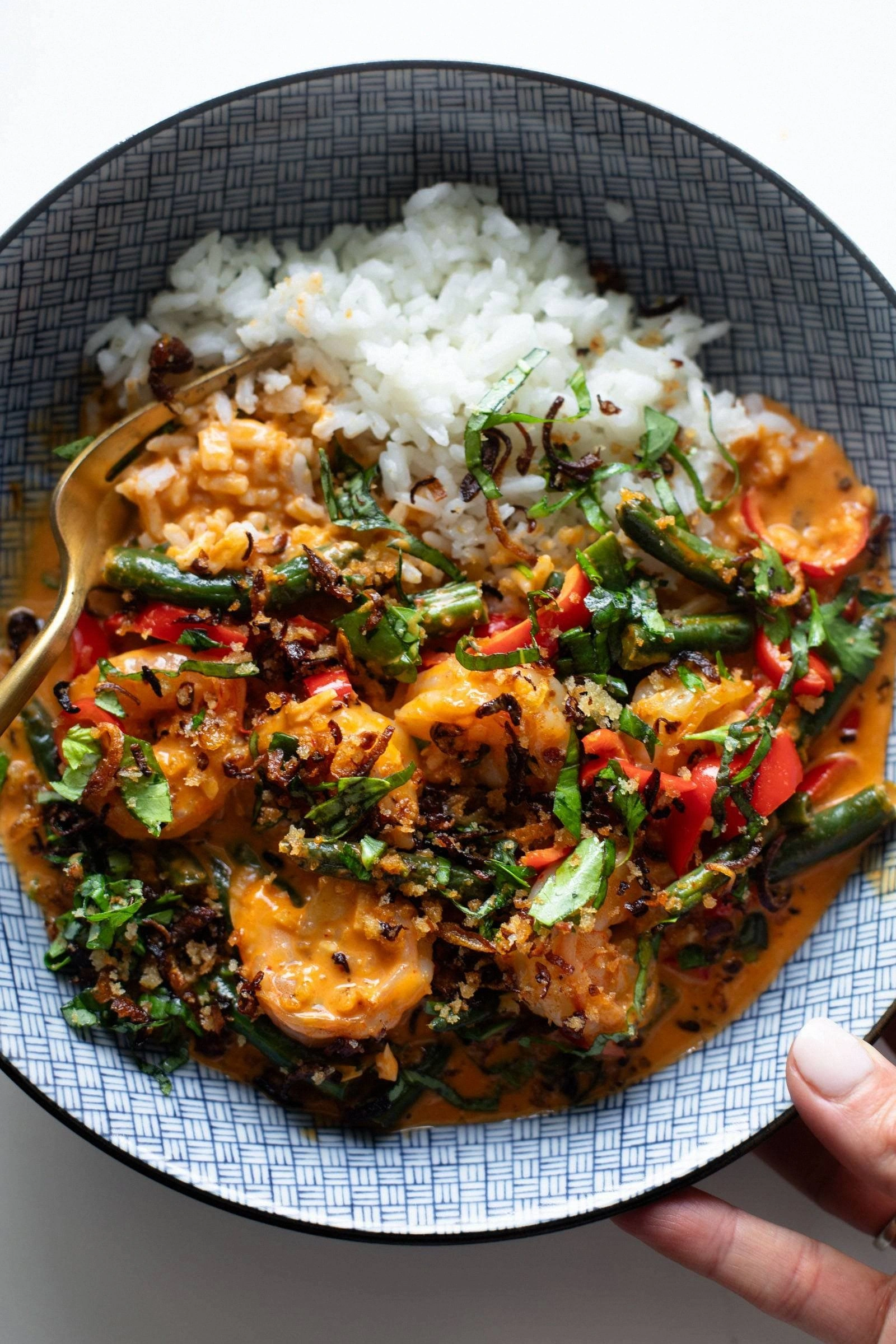
Picture this: a steaming bowl of golden‑amber curry, the aroma of lemongrass and kaffir lime leaves dancing with the heat of red curry paste, and the gentle pop of shrimp as they tumble into the sauce. The broth is silky, thanks to coconut milk that coats each morsel like a smooth satin sheet, while the bright zing of lime juice cuts through the richness like a sharp, refreshing breeze. But the real show‑stopper? A handful of ultra‑crisp shallot shards—what I like to call “Yummy S”—that sit on top, shattering with a satisfying snap that reminds you of thin ice cracking underfoot. That contrast of silky and crunchy is pure culinary poetry.
Most recipes you find online either skip the crunchy element entirely or drown the shrimp in a sauce so thick it feels like a glue trap for your taste buds. Others get the spice level wrong, either bland or so fiery it makes your eyes water. This version stands out because it respects the delicate nature of shrimp while delivering a bold, balanced flavor profile that screams authenticity without demanding a trip to a specialty store. The key is in the timing—adding the shrimp at just the right moment, and finishing with a burst of fresh herbs that lift the whole dish.
And here’s the kicker: I’m going to reveal a technique involving a quick fry of shallots in cornstarch that creates those addictive crispies you never knew you needed. Trust me, once you hear that sizzle, you’ll be hooked. Let me walk you through every single step — by the end, you’ll wonder how you ever made it any other way.
What Makes This Version Stand Out
- Flavor Depth: The combination of red Thai curry paste, coconut milk, and a splash of fish sauce creates a layered taste that evolves with every bite, moving from sweet to savory to a subtle heat that lingers pleasantly.
- Texture Harmony: Tender shrimp meet crunchy bell peppers, while the Yummy S shallot crispies provide an unexpected crunch that makes each spoonful an adventure.
- Simplicity: Despite the complex flavor profile, the ingredient list is short, and the steps are straightforward—no fancy equipment needed.
- Unique Crunch: The shallot crispies are the secret weapon; they turn an ordinary curry into a textural masterpiece that will have your guests reaching for seconds.
- Crowd Reaction: I’ve served this at dinner parties, and people often claim it’s the best Thai dish they’ve ever tasted, with the “wow” moment always coming when the crunch hits.
- Ingredient Quality: Using fresh shrimp and high‑quality coconut milk makes a world of difference; the sauce feels richer and the shrimp stay juicy.
- Cooking Method: A quick sear of the shrimp preserves its texture, while a gentle simmer of the sauce ensures flavors meld without overcooking.
- Make‑Ahead Potential: The curry sauce can be prepared a day ahead; just reheat and add fresh shrimp and crispies at the last minute for a fast, impressive meal.
Inside the Ingredient List
The Flavor Base
Red Thai Curry Paste (2 tbsp): This is the heart of the dish, delivering heat, depth, and that unmistakable Thai aroma. Skip the jarred stuff and opt for a fresh, fragrant paste if you can find it; it makes a noticeable difference. If you’re out of paste, a mix of chili flakes, lemongrass, and galangal can work in a pinch.
Coconut Milk (1 can, 14 oz): The creamy, slightly sweet liquid balances the spice and gives the sauce its luxurious texture. Choose a full‑fat variety for the richest mouthfeel; low‑fat versions will feel watery and thin. Shake the can well before opening to blend the fat back into the liquid.
Fish Sauce (1 tbsp): This salty, umami powerhouse adds depth that salt alone can’t achieve. It’s the secret behind the authentic Thai flavor that makes your palate sing. If you’re wary of the smell, rinse it under a quick splash of water before adding—it won’t lose its punch.
Palm Sugar (1 tsp) or Brown Sugar: A tiny pinch of sweetness offsets the heat and balances the saltiness of the fish sauce. Don’t over‑sweeten; you just want a subtle background note that rounds out the flavors.
Lime Juice (1 tbsp): The bright citrus spark cuts through the richness, adding a refreshing finish. Add it at the end of cooking to preserve its fresh zing. If you don’t have fresh lime, a splash of rice vinegar can mimic the acidity.
The Texture Crew
Shrimp (1 lb, peeled and deveined): The star protein—its sweet, briny flavor shines when cooked just right. Overcooking turns them rubbery, so watch them closely; they only need a minute or two in the hot sauce. Fresh, wild‑caught shrimp give the best texture, but frozen works if thawed properly.
Bell Pepper (1 cup, sliced): Adds a sweet crunch that contrasts the tender shrimp. Red or orange peppers provide a pop of color and natural sweetness, while green peppers give a slightly bitter edge. Slice thinly so they soften just enough without losing their snap.
Bamboo Shoots (1 cup, drained): These bring a subtle earthiness and a pleasant chew. Rinse them well to remove any brine, then pat dry. If you can’t find canned bamboo shoots, fresh ones sliced thin work beautifully.
The Unexpected Star
Shallots (1 cup, thinly sliced for crispies): The secret “Yummy S” component—when fried in a light cornstarch coating, they become golden, brittle shards that shatter with each bite. Their sweet, onion‑like flavor lifts the whole dish. Use a mandoline for uniform slices; uneven pieces fry unevenly.
Cornstarch (2 tbsp): The magic dust that creates the perfect crunch on the shallots. It absorbs surface moisture, allowing the shallots to fry to a glassy crisp without burning. Too much cornstarch can make them gummy, so keep the coating thin.
The Final Flourish
Thai Basil Leaves (½ cup, loosely packed): Fresh basil adds an aromatic, peppery finish that brightens the curry. Add them at the very end; the heat will wilt them just enough to release their fragrance without turning bitter.
Garlic (2 cloves, minced) & Ginger (1 tsp, minced): These aromatics form the foundational scent profile, giving the sauce its unmistakable Thai character. Sauté them briefly before adding the curry paste to awaken their flavors.
Vegetable Oil (2 tbsp): A neutral oil for sautéing the aromatics and frying the shallots. Use a high‑smoke‑point oil like canola or grapeseed to avoid burnt notes.
Everything's prepped? Good. Let's get into the real action...
The Method — Step by Step
Start by heating the vegetable oil in a large skillet or wok over medium‑high heat. Once the oil shimmers, add the minced garlic and ginger, stirring quickly for about 30 seconds until you hear a fragrant sizzle. This is the moment where the kitchen starts smelling like a bustling street market in Bangkok. Then, toss in the red Thai curry paste, letting it fry for another minute so the oils release their full flavor. When the paste darkens just a shade, you’ll know it’s ready to carry the rest of the sauce.
Next, pour in the coconut milk, stirring constantly to blend the paste into a smooth, glossy base. Bring the mixture to a gentle simmer—watch for tiny bubbles forming along the edges, not a rolling boil. Reduce the heat to low and let it thicken slightly for 3–4 minutes; this is where the sauce gains its velvety texture. Add the fish sauce, palm sugar, and lime juice, giving the sauce a perfect balance of salty, sweet, and tangy. Taste and adjust: a pinch more sugar if it feels too sharp, or a dash more lime if it needs brightness.
While the sauce simmers, quickly sear the shrimp. Increase the heat to medium‑high, add a splash more oil if the pan looks dry, and drop the shrimp in a single layer. They should sizzle immediately, turning pink in about 30 seconds per side. Do not overcrowd the pan; if needed, work in batches. Overcooking will make them rubbery, so as soon as they turn opaque and curl, remove them with a slotted spoon and set aside. The shrimp will finish cooking later in the sauce, ensuring perfect tenderness.
Now introduce the bell peppers and bamboo shoots to the simmering sauce. Stir them in and let them cook for 2–3 minutes; you want them softened but still retaining a slight crunch. This step adds layers of texture that keep each bite interesting. If you prefer a softer vegetable, cover the pan for a minute to steam them gently.
Return the seared shrimp to the pan, nestling them into the sauce. Let everything simmer together for another 2 minutes, just enough for the shrimp to absorb the flavors without becoming tough. At this point, the sauce should coat the shrimp like a glossy veil, and you’ll notice the aroma becoming richer, with hints of toasted coconut and citrus.
While the curry is finishing, prepare the shallot crispies. Toss the thinly sliced shallots in a bowl with cornstarch, shaking off any excess. Heat a separate skillet with enough oil to shallow‑fry the shallots—around 350°F (175°C) is ideal. Fry the shallots in small batches, stirring gently, until they turn a deep golden brown and become brittle. Transfer them to a paper‑towel-lined plate, sprinkling a pinch of sea salt while still hot. These crispies will stay crunchy if added just before serving.
Finish the curry by stirring in the Thai basil leaves, allowing them to wilt just enough to release their fragrance. Taste one final time and adjust salt or lime if needed. Then, ladle the curry into bowls, garnish generously with the shallot crispies, and watch the contrast of textures play out on the plate. That final sprinkle of crispies is the climax—watch as the golden shards glisten against the creamy orange sauce.
That's it — you did it. But hold on, I've got a few more tricks that'll take this to another level...
Insider Tricks for Flawless Results
The Temperature Rule Nobody Follows
Never let the coconut milk reach a rolling boil. Keep it at a gentle simmer; this preserves the fat emulsion, preventing a grainy texture. If you notice the sauce separating, lower the heat immediately and whisk vigorously. I once tried to “speed things up” by cranking the heat, and the result was a curdled mess that tasted like burnt milk.
Why Your Nose Knows Best
Before you taste, give the sauce a quick sniff. If you detect a raw curry paste smell, it needs a few more seconds of cooking. The aromatic oils need time to meld, and your nose is a better judge than your palate at this stage. Trust that instinct; it’s the secret weapon of seasoned chefs.
The 5‑Minute Rest That Changes Everything
Once the curry is off the heat, let it sit uncovered for five minutes. This short rest allows the flavors to settle and the sauce to thicken slightly, making it cling to the shrimp like a silk scarf. Skipping this step leaves the sauce watery and the flavors disjointed.
Shallot Crispies: The Double‑Fry Method
For the ultimate crunch, fry the shallots twice: a quick 30‑second first fry at 300°F to cook through, then a second fry at 375°F for that golden snap. This technique creates a barrier that locks in flavor while delivering a crackling texture that lasts longer on the plate.
Balancing Sweet and Heat
If the curry feels too spicy, a drizzle of coconut cream or a pinch more palm sugar can tame the heat without muting the flavor. Conversely, a splash of extra chili oil will dial the heat back up if you’re daring. Adjusting on the fly keeps the dish dynamic and personalized.
Creative Twists and Variations
This recipe is a playground. Here are some of my favorite ways to switch things up:
Spicy Mango Madness
Add diced ripe mango in the last two minutes of simmering. The sweet fruit counters the heat, creating a tropical sweet‑heat combo that’s perfect for summer evenings.
Veggie‑Only Delight
Swap the shrimp for tofu cubes or extra vegetables like zucchini and snap peas. The curry sauce clings to the tofu just as lovingly, making a hearty vegetarian feast.
Peanut‑Infused Curry
Stir in a tablespoon of smooth peanut butter after the coconut milk. The nutty undertone deepens the flavor profile, reminiscent of a classic Thai peanut sauce but with a shrimp twist.
Smoky Coconut Smoke
Replace half the coconut milk with coconut cream and add a few drops of liquid smoke. This gives the dish an unexpected smoky depth that pairs beautifully with the shrimp’s sweetness.
Herb‑Burst Finale
Finish with a handful of fresh cilantro, mint, and Thai basil instead of just basil. The herb trio adds a fresh, aromatic lift that brightens the whole bowl.
Crunch Upgrade
Mix toasted coconut flakes into the shallot crispies for an added layer of tropical crunch. The extra coconut flavor elevates the dish to a beach‑vacation vibe.
Storing and Bringing It Back to Life
Fridge Storage
Transfer the curry (minus the shallot crispies) to an airtight container and refrigerate for up to three days. The flavors actually meld and improve after a night, making it a perfect make‑ahead lunch.
Freezer Friendly
Cool the sauce completely, then portion into freezer‑safe bags, removing as much air as possible. Freeze for up to two months. When ready, thaw overnight in the fridge and reheat gently on the stove.
Best Reheating Method
Reheat the curry over low heat, stirring frequently. Add a splash of water or coconut milk just before serving to restore its silky texture. Then, quickly fry fresh shallot crispies for that final crunch—once reheated, the original crispies will lose their snap.