I still remember the night I almost burned my kitchen down trying to recreate the teriyaki chicken my friend bragged about. The pan was slick with soy sauce, the air smelled like a burnt match, and I was left staring at a charred mess that looked more like a science experiment than a meal. That disaster was the spark that lit my curiosity; I dared myself to find a version that would not only taste better but also save me from culinary catastrophes. I’m talking about the ultimate air fryer teriyaki chicken that turns a simple kitchen mishap into a symphony of flavors, a dish that will have you saying, “I dare you to taste this and not go back for seconds.”
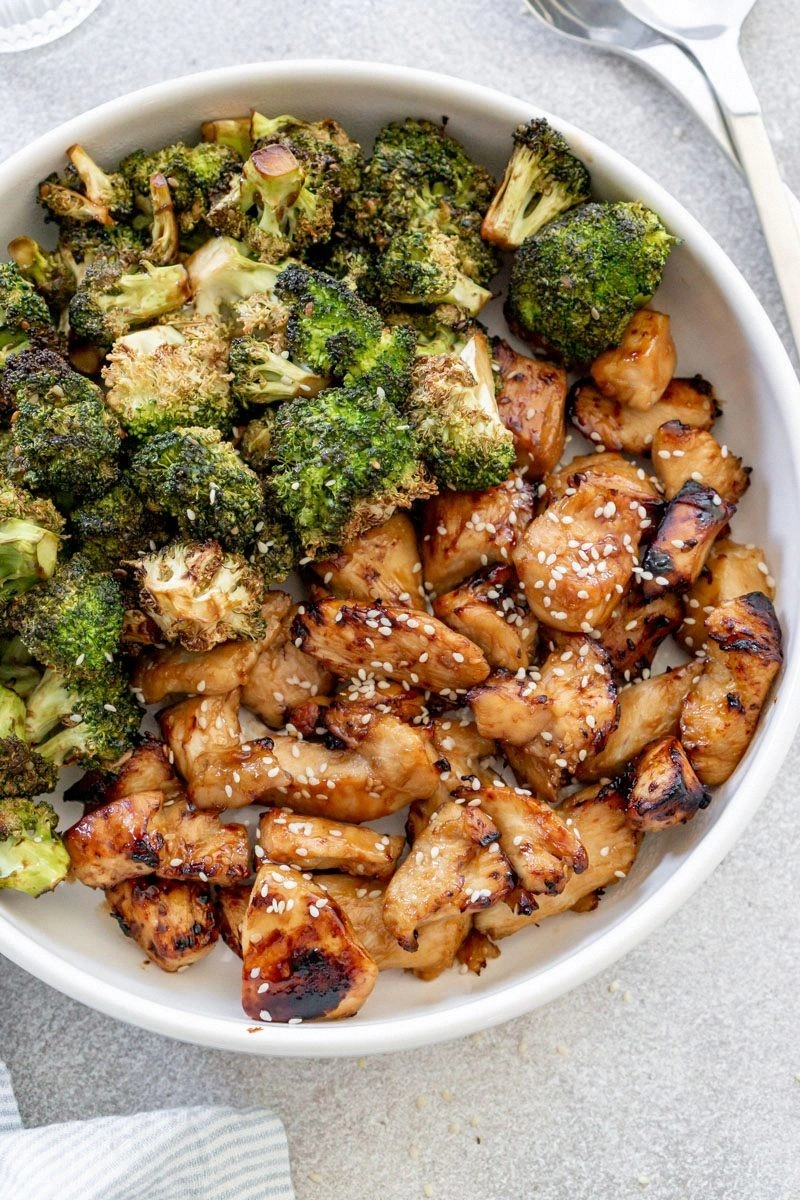
Picture this: a bright orange glaze that glistens on tender, juicy chicken, a hint of citrus that lifts the umami, and crisped edges that shatter like thin ice. The moment the first bite hits your tongue, the sauce coats the meat like velvet, and the aroma of toasted sesame oil mingles with the sweet tang of honey. The broccoli, tossed in the same sauce, adds a satisfying crunch and a pop of color that turns the plate into a visual masterpiece. This isn’t just another “air fryer teriyaki” recipe; it’s a carefully engineered experience that balances sweetness, saltiness, and a subtle citrus zing in perfect harmony.
What sets this version apart from the countless other teriyaki recipes floating around the internet? It’s the meticulous selection of ingredients, the clever use of arrowroot to create that glossy, thick glaze, and the strategic timing that ensures the chicken stays moist while the sauce caramelizes just enough to give that satisfying snap. I’ll be honest — I ate half the batch before anyone else got to try it, and even then, the leftovers were still begging for a second plate. If you’ve ever struggled with sticky sauces or unevenly cooked chicken, you’re not alone — and I’ve got the fix. This is hands down the best version you'll ever make at home, and the next part of the recipe is pure magic.
Let me walk you through every single step — by the end, you'll wonder how you ever made it any other way. The process is simple, the flavors are bold, and the results are consistently delicious. Whether you’re cooking for yourself or feeding a crowd, this dish will make your kitchen smell incredible and your taste buds sing. And trust me, once you’ve tried this, you’ll never go back to the ordinary. Okay, ready for the game-changer?
What Makes This Version Stand Out
- Flavor: The sauce balances soy, honey, and citrus for a complex, layered taste that lingers on the palate.
- Texture: The air fryer delivers a crisp exterior while the chicken stays juicy, thanks to a precise cooking time and temperature.
- Convenience: No stovetop simmering required—everything happens in the air fryer, freeing up your kitchen.
- Visual Appeal: The glossy glaze and vibrant broccoli make the dish look as good as it tastes.
- Make‑Ahead: The sauce can be prepped in advance and frozen; the chicken can be marinated overnight for extra depth.
- Ingredient Quality: Using low sodium soy sauce and fresh ginger ensures a clean, authentic flavor profile.
- Versatility: Swap the broccoli for snow peas or bell peppers, or use tofu for a vegetarian twist.
- Time Efficiency: The entire process takes under an hour, making it perfect for weeknight dinners.
Inside the Ingredient List
The Flavor Base
The heart of this dish lies in the sauce—a harmonious blend of low sodium soy sauce, rice wine vinegar, and honey that creates a sweet, savory, and slightly acidic profile. The soy sauce provides depth and umami, while the vinegar cuts through the sweetness, giving the glaze a bright, refreshing edge. Honey, on the other hand, adds a natural sweetness that caramelizes beautifully in the air fryer, forming a glossy coating that clings to the chicken and broccoli. If you skip the vinegar, the sauce will taste overwhelmingly sweet; if you omit honey, the glaze will be thin and less caramelized.
The Texture Crew
Arrowroot powder is the unsung hero that thickens the sauce without adding a gritty texture. It dissolves completely, giving the glaze that silky, glossy finish that looks almost like a lacquered coat. Sesame oil, toasted for a nutty aroma, adds a subtle depth that elevates the overall flavor profile. The sesame seeds, sprinkled on top after cooking, introduce a pleasant crunch and a nutty finish that contrasts the soft chicken. Skipping the sesame oil or seeds will result in a less complex flavor and a flatter texture.
The Unexpected Star
The half orange is the secret weapon that adds a bright, citrusy note, cutting through the richness of the sauce. The juice and zest release natural oils that enhance the overall aroma, while the pulp adds a subtle sweetness that balances the saltiness of the soy sauce. If you prefer a sweeter profile, you can increase the orange juice, but be careful not to overpower the other flavors. This ingredient is often overlooked in teriyaki recipes, but its presence transforms the dish from ordinary to extraordinary.
The Final Flourish
Broccoli florets are the perfect companion to the chicken; they absorb the sauce, add a pop of green, and provide a satisfying crunch. The broccoli also helps to keep the chicken moist by absorbing excess moisture during cooking. If you prefer a different vegetable, feel free to swap in snap peas or bell pepper strips; just adjust the cooking time slightly to ensure everything is evenly cooked. This final flourish ensures that each bite is a balanced combination of protein, veggies, and sauce.
Everything's prepped? Good. Let's get into the real action...
The Method — Step by Step
- Begin by whisking together 3/4 cup low sodium soy sauce, 1/3 cup rice wine vinegar, 3 tablespoons honey, 2 teaspoons toasted sesame oil, 2 cloves minced garlic, 2 teaspoons grated fresh ginger, 3 tablespoons brown sugar, 1 tablespoon sesame seeds, juice and zest of 1/2 orange, 1/4 cup water, and 1/2 tablespoon arrowroot powder in a small bowl. Stir until the arrowroot is fully dissolved and the mixture is smooth. This is your master sauce—keep it ready and let the flavors mingle while you prepare the chicken.
- Pat the 2 chicken breasts dry with paper towels; this helps the sauce adhere better. Season lightly with salt and pepper, then coat each breast in a thin layer of arrowroot powder, shaking off any excess. This light coating will help the sauce create a glossy glaze and reduce sticking.
- Place the chicken breasts in the air fryer basket in a single layer, ensuring they don’t touch. Cook at 190°C (375°F) for 10 minutes. After 10 minutes, flip the breasts and brush a generous amount of the prepared sauce onto the underside. The aroma at this point will have your kitchen smelling like a Japanese street market.
- Return the chicken to the air fryer, brush the top with sauce, and cook for another 8 minutes. The edges should start pulling away slightly, indicating the sauce has thickened and caramelized. Watch closely; if the glaze begins to burn, lower the temperature by 10°C.
- While the chicken finishes, toss the 2 cups of broccoli florets in a bowl with 1 tablespoon of the same sauce and a pinch of salt. Spread them on a baking sheet and place them in the air fryer basket alongside the chicken for the last 6 minutes of cooking. The broccoli will absorb the sauce, turning a vibrant green and developing a slight crunch.
- Once the chicken is cooked to an internal temperature of 75°C (165°F) and the broccoli is tender yet crisp, remove everything from the air fryer. Let the chicken rest for 3 minutes; this allows the juices to redistribute, keeping the meat moist.
- Slice the chicken into thin strips, arrange them over the broccoli, and drizzle any remaining sauce from the pan. Sprinkle with toasted sesame seeds for an extra pop of flavor and a delightful crunch.
- Serve immediately over steamed rice or cauliflower rice for a low-carb option. Garnish with chopped scallions or a few extra orange zest curls for a bright, fresh finish.
That's it — you did it. But hold on, I've got a few more tricks that'll take this to another level...
Insider Tricks for Flawless Results
The Temperature Rule Nobody Follows
Many cooks lower the temperature too early, thinking it will keep the chicken from drying out. The truth is, maintaining a steady 190°C (375°F) ensures the exterior crisps up while the interior stays juicy. If your air fryer has a convection setting, use it; the circulating air creates a crisp, even finish that mimics a deep-fry without the oil.
Why Your Nose Knows Best
The scent of the sauce is your best indicator of progress. When the glaze begins to caramelize, you’ll notice a sweet, nutty aroma that signals the perfect moment to flip the chicken. If you skip this sensory cue, you risk burning the sugar or undercooking the meat.
The 5-Minute Rest That Changes Everything
Letting the chicken rest for exactly five minutes after removing it from the air fryer allows the juices to redistribute. This simple step prevents a dry bite and ensures every slice is succulent. A friend once tried to cut straight into the chicken; the result was a sad, dry center that left everyone disappointed.
Use a Silicone Mat for Even Cooking
Lining the air fryer basket with a silicone baking mat keeps the broccoli from sticking and ensures even exposure to hot air. It also makes cleanup a breeze—no more scrubbing stuck-on sauce. This mat is especially helpful if you’re cooking multiple batches.
Keep the Sauce Ready
If you’re in a rush, preheat the air fryer first and have the sauce ready in a small saucepan. This way, you can brush on the sauce immediately after flipping the chicken, preventing the glaze from drying out before it has a chance to caramelize.
Creative Twists and Variations
This recipe is a playground. Here are some of my favorite ways to switch things up:
Spicy Sriracha Kick
Add a tablespoon of sriracha to the sauce for a fiery twist that pairs perfectly with the sweet glaze. The heat balances the sweetness, creating a dynamic flavor profile that’s sure to impress.
Thai Coconut Twist
Replace half of the water with coconut milk and add a teaspoon of Thai red curry paste. The creamy coconut base gives the sauce a tropical depth, while the curry paste introduces subtle spice.
Vegan Version
Swap the chicken for tofu or tempeh, marinating it in the sauce for at least an hour. Press the tofu to remove excess moisture, then air fry until golden. The tofu absorbs the glaze beautifully, offering a plant-based alternative that still delivers the signature teriyaki flavor.
Grilled Pineapple Pairing
Grill pineapple slices in the same sauce for a caramelized, sweet accompaniment. The pineapple’s natural acidity cuts through the richness of the chicken, creating a balanced plate.
Herb-Infused Variation
Add a tablespoon of chopped fresh basil or cilantro to the sauce before cooking. The herbs bring a fresh, green note that brightens the dish, making it feel lighter and more vibrant.
Low-Carb Option
Serve the dish over cauliflower rice or shirataki noodles instead of regular rice to keep the carb count low. The neutral flavor of cauliflower rice allows the teriyaki glaze to shine without competition.
Storing and Bringing It Back to Life
Fridge Storage
Store leftovers in an airtight container in the refrigerator for up to 3 days. The sauce may thicken slightly; reheat gently in a microwave or on the stovetop, adding a splash of water to loosen it back to its glossy consistency. This trick ensures the dish remains moist and flavorful.
Freezer Friendly
To freeze, portion the chicken and broccoli separately in freezer-safe bags, then seal tightly. Store for up to 2 months. Thaw overnight in the refrigerator before reheating in the air fryer at 180°C (356°F) for 8 minutes, or until heated through. The sauce will retain its flavor, and the chicken will stay tender.
Best Reheating Method
The optimal way to reheat is in the air fryer; it preserves the crispness of the chicken and the sauce’s glaze. If you prefer the stovetop, use a non-stick pan over low heat, adding a teaspoon of water to keep the sauce from sticking. Always reheat to at least 75°C (165°F) to ensure food safety.