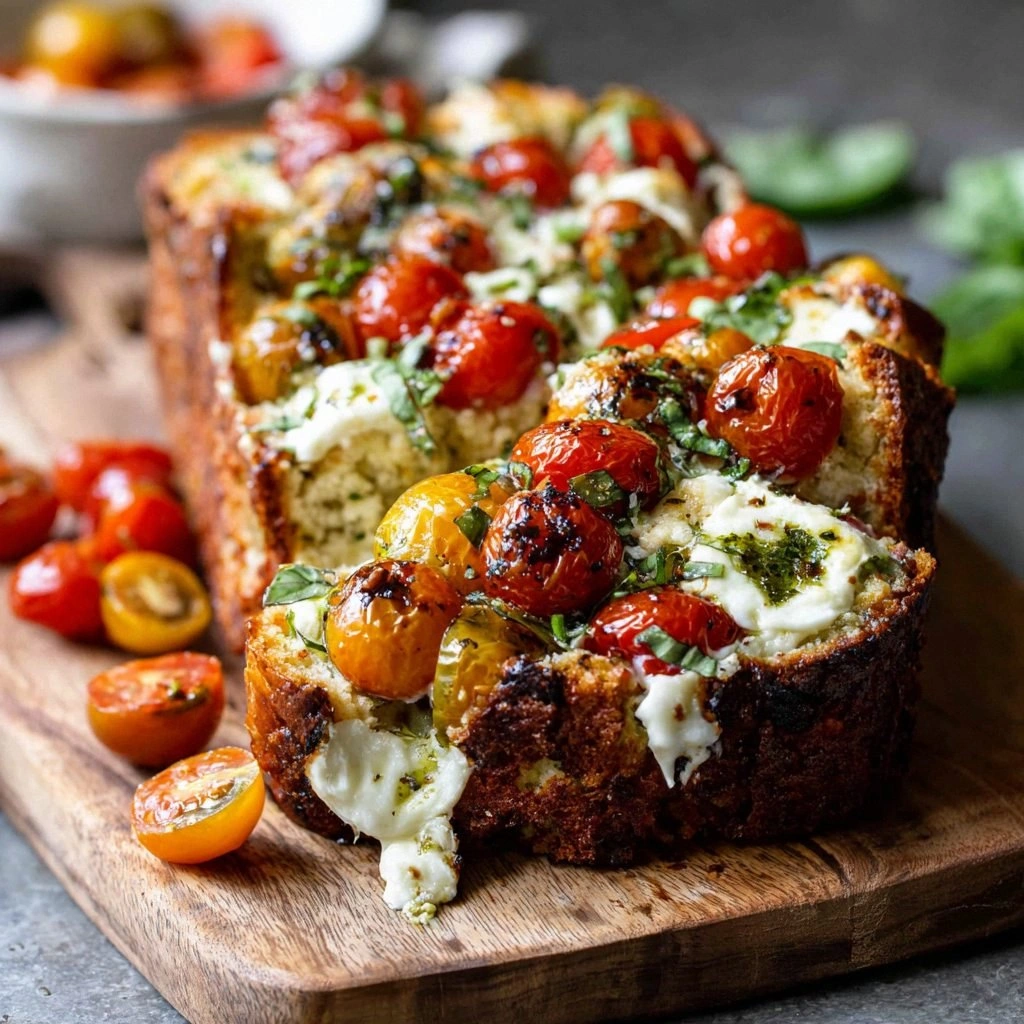
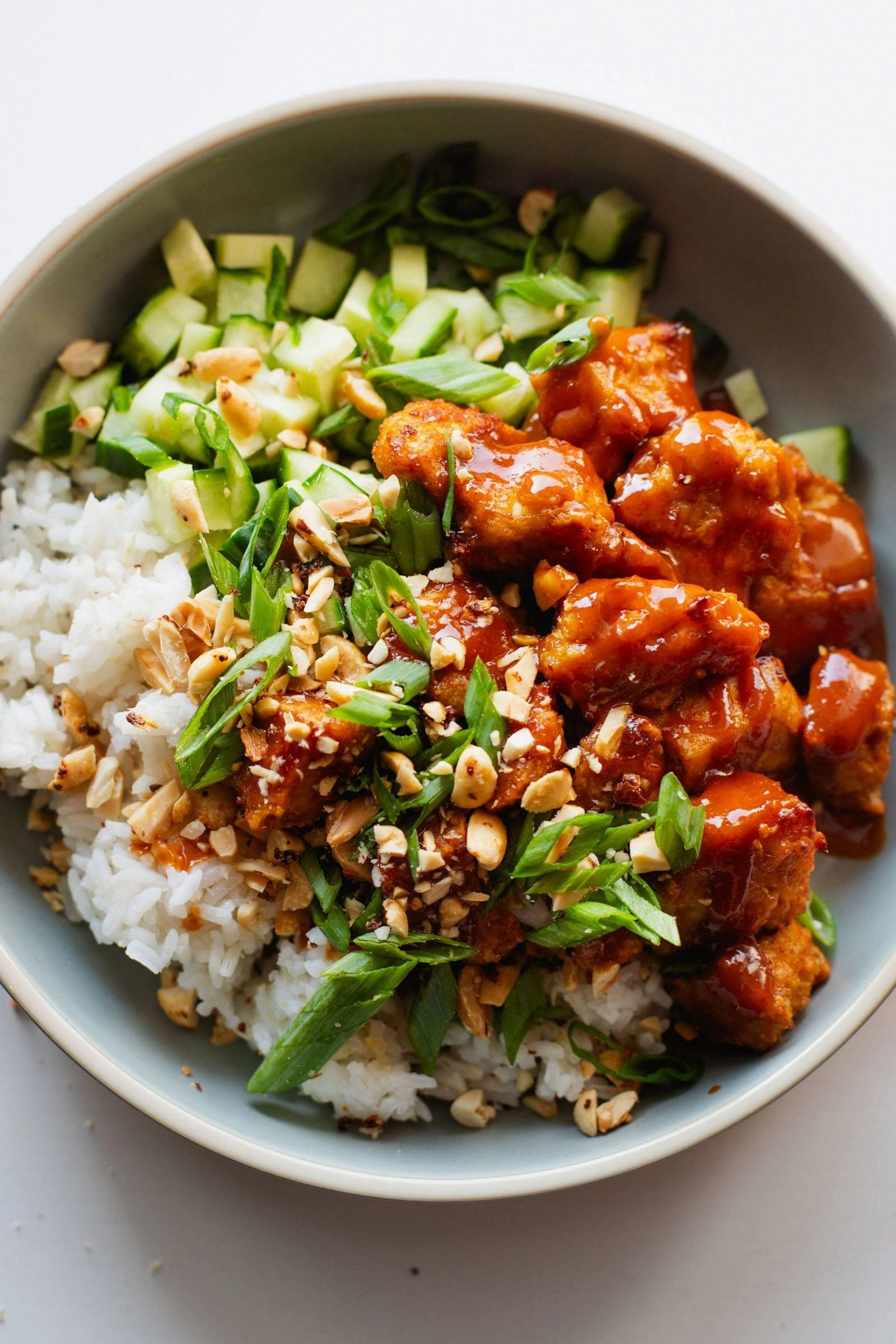
I’ll be honest — I ate half the batch before anyone else got to try it, and that was a mistake I’m still not over. It all started on a rainy Tuesday when my pantry looked like a sad, empty hallway and my cravings screamed for something bold, sticky, and unapologetically Korean. I tossed a block of tofu into a pan, doused it in gochujang, and the kitchen erupted in a fragrant fireworks display that made my neighbors wonder if a street market had moved in. The sauce clung to the tofu like a caramelized love affair, the peanuts added a crunch that sang, and the fresh herbs lifted everything into a bright, herbaceous chorus.
Picture this: the sizzle of oil hitting a hot skillet, the bright red glaze bubbling and caramelizing, the scent of garlic and ginger weaving through the air like an old‑world spice caravan. The tofu cubes turn golden, the edges pulling away just enough to reveal a tender, custardy interior that melts in your mouth. You hear the faint crackle of peanuts as they toast, you feel the heat of the pan radiating to your fingertips, and you taste the perfect balance of sweet, salty, umami, and a whisper of heat that makes you gasp in delight. It’s a sensory overload that feels like a hug from a Korean grandma who knows exactly how you like your comfort food.
Most recipes get this completely wrong. They either drown the tofu in a watery sauce that slides off like a bad haircut, or they over‑cook it until it turns into a rubbery brick. I’ve tried a dozen versions, and the secret that separates the champions from the wannabes is a simple, yet game‑changing technique: a double‑coat of cornstarch and a quick flash‑fry before the glaze even sees the pan. This creates a protective crust that locks in moisture and gives the sauce a glossy, clingy finish that looks like it belongs on a Michelin plate.
Now, I’m about to hand you the exact method that turned my kitchen into a flavor laboratory. I dare you to taste this and not go back for seconds, because once you’ve experienced the sticky, nutty, herb‑kissed perfection, you’ll wonder how you ever survived without it. Let me walk you through every single step — by the end, you’ll wonder how you ever made it any other way.
What Makes This Version Stand Out
- Taste: The gochujang base delivers a deep, fermented heat that’s balanced by honey’s mellow sweetness, creating a flavor profile that’s simultaneously fiery and comforting.
- Texture: A crisp, corn‑starch crust gives way to a silky interior, while toasted peanuts add an unexpected crunch that pops with every bite.
- Simplicity: Fewer than ten pantry staples are needed, and the entire dish comes together in under an hour, making it perfect for weeknight hero meals.
- Uniqueness: Fresh herbs like cilantro and green onion aren’t just garnish; they weave bright, aromatic notes throughout the dish, turning a simple stir‑fry into a layered masterpiece.
- Crowd Reaction: This dish has a habit of clearing tables faster than a fire alarm, with guests lining up for the second serving and begging for the secret ingredient.
- Ingredient Quality: Using firm, pressed tofu and authentic Korean gochujang makes all the difference—no shortcuts, just pure, unapologetic flavor.
- Cooking Method: The double‑coat technique creates a glaze that clings like velvet, while the quick fry locks in moisture for a juicy bite.
- Make‑Ahead Potential: The tofu holds up beautifully in the fridge, and the glaze can be reheated with a splash of water for a fresh‑out‑of‑the‑pan feel.
Alright, let's break down exactly what goes into this masterpiece...
Inside the Ingredient List
The Flavor Base
Gochujang is the heart‑throb of this dish. It’s a fermented Korean chili paste that brings depth, umami, and a subtle sweetness you can’t replicate with plain chili sauce. If you substitute with sriracha, you’ll lose that earthy complexity and end up with a one‑dimensional heat. Look for a gochujang that lists rice, fermented soybeans, and chili powder as the first three ingredients for authenticity. A quick tip: a spoonful of gochujang will soften after a minute in the pan, releasing its aroma like a shy performer stepping into the spotlight.
The Texture Crew
Cornstarch is the unsung hero that creates the golden crust. It forms a protective barrier that keeps the tofu from soaking up too much sauce, while also giving the surface a light, airy crunch. If you’re gluten‑free, cornstarch is perfect; but if you prefer a nuttier texture, swap half of it for rice flour. The peanuts, toasted just before serving, add a buttery snap that contrasts beautifully with the tender tofu. Remember, over‑toasting peanuts can turn them bitter, so keep a close eye on them.
The Unexpected Star
Fresh herbs—cilantro and green onion—might seem like afterthoughts, but they’re the bright finish that lifts the entire dish. Cilantro’s citrusy bite and the green onion’s mild oniony crunch create a fragrant layer that balances the rich glaze. If cilantro isn’t your jam, try Thai basil for a peppery twist, or mint for a refreshing edge. The key is to add herbs at the very end, so they retain their fresh flavor and vivid green color.
The Final Flourish
Sesame oil and rice vinegar are the finishing touches that add a nutty aroma and a bright acidity, respectively. Sesame oil should be used sparingly; a little goes a long way and can dominate the palate if over‑applied. Rice vinegar, on the other hand, cuts through the richness of the glaze, preventing it from feeling heavy. If you can’t find rice vinegar, apple cider vinegar works in a pinch, but the flavor will be slightly fruitier. Finally, a drizzle of honey or maple syrup adds a glossy sheen and a hint of caramel that makes the sauce look restaurant‑ready.
Everything's prepped? Good. Let's get into the real action...
The Method — Step by Step
Press the tofu: Remove the tofu from its package, drain the water, and wrap it in a clean kitchen towel. Place a heavy skillet or a cast‑iron pan on top and let it sit for at least 15 minutes. This step removes excess moisture, ensuring the tofu will crisp up instead of steaming. You’ll notice the towel getting soggy—don’t be shy, keep pressing until it feels dry to the touch. Tip: If you’re short on time, a tofu press works wonders.
Cube the tofu: After pressing, cut the block into bite‑size cubes, about 1½ inches each. This size gives you a perfect ratio of crust to interior. As you cut, you’ll hear a satisfying “thud” that tells you the tofu is firm enough. Toss the cubes gently with 2 tablespoons of cornstarch, making sure each piece is evenly coated. Watch Out: Too much cornstarch will make the coating gummy; shake off any excess before frying.
Heat the pan: Add 2 tablespoons of neutral‑flavored oil (like canola or grapeseed) to a large skillet over medium‑high heat. When the oil shimmers and you see a faint wisp of smoke, it’s ready. Carefully add the tofu cubes in a single layer, making sure they’re not crowded. Overcrowding will steam the tofu instead of frying, ruining the crust.
Fry to golden perfection: Let the tofu fry undisturbed for about 3‑4 minutes on each side, turning with tongs once the edges turn a deep golden‑brown. You’ll hear a gentle sizzle that signals the crust is forming. When the tofu is crisp and the interior looks slightly translucent, transfer it to a paper‑towel‑lined plate to drain any excess oil.
Build the glaze: While the tofu rests, whisk together 3 tablespoons gochujang, 2 tablespoons soy sauce, 1 tablespoon honey, 1 tablespoon rice vinegar, 2 teaspoons sesame oil, 2 cloves minced garlic, and 1 teaspoon grated ginger in a small bowl. The mixture should be glossy and thick, with a deep ruby hue. Pro tip: If the glaze feels too thick, add a splash of water—just enough to loosen it without thinning the flavor.
Combine tofu and glaze: Return the fried tofu to the hot skillet, lower the heat to medium, and pour the glaze over the cubes. Toss gently, ensuring every piece is lovingly coated. As the sauce meets the hot tofu, you’ll hear a faint caramelizing whisper, and the glaze will thicken, clinging to each cube like a sweet, sticky armor. Let it simmer for 2‑3 minutes, allowing the sauce to reduce and become glossy.
Finish with herbs and peanuts: Once the glaze has thickened, remove the pan from heat. Sprinkle 2 tablespoons each of chopped cilantro and green onion over the tofu, followed by 2 tablespoons of toasted peanuts. The heat from the pan will wilt the herbs just enough to release their aroma without cooking them away. Give everything a final gentle toss, then plate immediately.
Serve and savor: Transfer the sticky tofu to a serving platter, drizzle any remaining glaze from the pan over the top, and garnish with an extra pinch of peanuts for crunch. This is the moment of truth—watch the glossy sheen catch the light, inhale the fragrant steam, and dive in. That first bite? It’s a symphony of sweet heat, crisp texture, and fresh herbaceous brightness that will make you swear you’ve discovered a new favorite.
That's it — you did it. But hold on, I've got a few more tricks that'll take this to another level...
Insider Tricks for Flawless Results
The Temperature Rule Nobody Follows
Most home cooks keep the stove on “medium” and call it a day, but the secret to that perfect crust is a pan that’s hot enough to sear instantly. Aim for an oil temperature of around 350°F (175°C). You can test this by dropping a tiny crumb of cornstarch into the oil; if it sizzles and turns golden within 2 seconds, you’re good to go. If it smokes heavily, lower the heat a notch—burnt oil will impart a bitter taste to the tofu.
Why Your Nose Knows Best
When the glaze starts to caramelize, your nose becomes the most reliable timer. You’ll catch a sweet, nutty aroma that signals the sauce is reaching the perfect thickness. If you smell a burnt, acrid scent, you’ve crossed the line. Trust your olfactory senses more than the clock; they’ll guide you to that glossy, sticky finish without a single burnt bite.
The 5‑Minute Rest That Changes Everything
After the tofu is fried and before you add the glaze, let it rest for exactly five minutes on a wire rack. This short pause allows the crust to set, preventing it from becoming soggy when the sauce hits. A friend tried skipping this step once and ended up with a mushy mess—let’s just say the dish didn’t survive the party.
Herb Timing Masterclass
Add fresh herbs at the very end of cooking, right before you plate. If you toss them in too early, the heat will wilt them into a dull green and mute their bright flavor. By sprinkling them in at the last second, you preserve their vivid color and aromatic punch, giving each bite a fresh pop that contrasts the deep, savory glaze.
Peanut Power Boost
Toast peanuts in a dry skillet over medium heat for just 2‑3 minutes, shaking the pan frequently. This brings out a buttery richness that elevates the dish from good to unforgettable. If you over‑toast, the peanuts become bitter, and that bitterness will clash with the sweet honey in the glaze. Keep a close eye—peanuts go from perfect to burnt faster than you think.
Sauce Consistency Check
When the glaze thickens, you’ll notice it starts to coat the back of a spoon and drip slowly. That’s your cue to stop cooking; any longer and it will become too sticky, making the tofu hard to toss. A good rule of thumb: the glaze should be thick enough to cling but still fluid enough to coat each cube evenly. If it’s too thick, whisk in a splash of warm water until you reach the desired consistency.
Creative Twists and Variations
This recipe is a playground. Here are some of my favorite ways to switch things up:
Spicy Peanut Fusion
Swap half of the gochujang for creamy peanut butter and add a splash of lime juice. The result is a richer, nutty sauce with a tangy edge that pairs beautifully with the crispy tofu. Perfect for those who love a Thai‑Korean hybrid.
Veggie Boost
Add sliced bell peppers, shredded carrots, and snap peas during step 6, letting them sauté briefly before the glaze hits. The vegetables add color, crunch, and a subtle sweetness that balances the heat, turning the dish into a complete one‑pan meal.
Sesame‑Ginger Bliss
Increase the sesame oil to 1 tablespoon and add 1 teaspoon toasted sesame seeds. The extra oil deepens the nutty aroma, while the seeds provide a delicate crunch that elevates the texture profile.
Gluten‑Free Glow
Replace soy sauce with tamari and ensure the gochujang you buy is labeled gluten‑free (some brands add wheat). The flavor stays true, and the dish becomes safe for anyone avoiding gluten without sacrificing any of the umami punch.
Sweet‑Heat Maple
Swap honey for pure maple syrup and add a pinch of smoked paprika. This gives the glaze a smoky, caramelized depth that feels like a cozy autumn dinner, perfect for cooler evenings.
Storing and Bringing It Back to Life
Fridge Storage
Transfer the cooled tofu and glaze to an airtight container and store in the refrigerator for up to 4 days. The tofu will retain its texture, and the sauce may thicken a bit—just give it a gentle stir before reheating.
Freezer Friendly
If you want to make a big batch, freeze the tofu and glaze separately in zip‑top bags. Tofu freezes best when pre‑cooked; the crust stays intact. When ready to eat, thaw in the fridge overnight, then reheat in a skillet with a splash of water to revive the glaze.
Best Reheating Method
Heat a non‑stick skillet over medium heat, add a teaspoon of oil, and toss the tofu in. Add a tiny splash (about 2 tablespoons) of water or broth, cover for 2 minutes, then uncover and stir until the glaze becomes glossy again. This steam‑and‑sauté method restores the crispness without drying out the tofu.