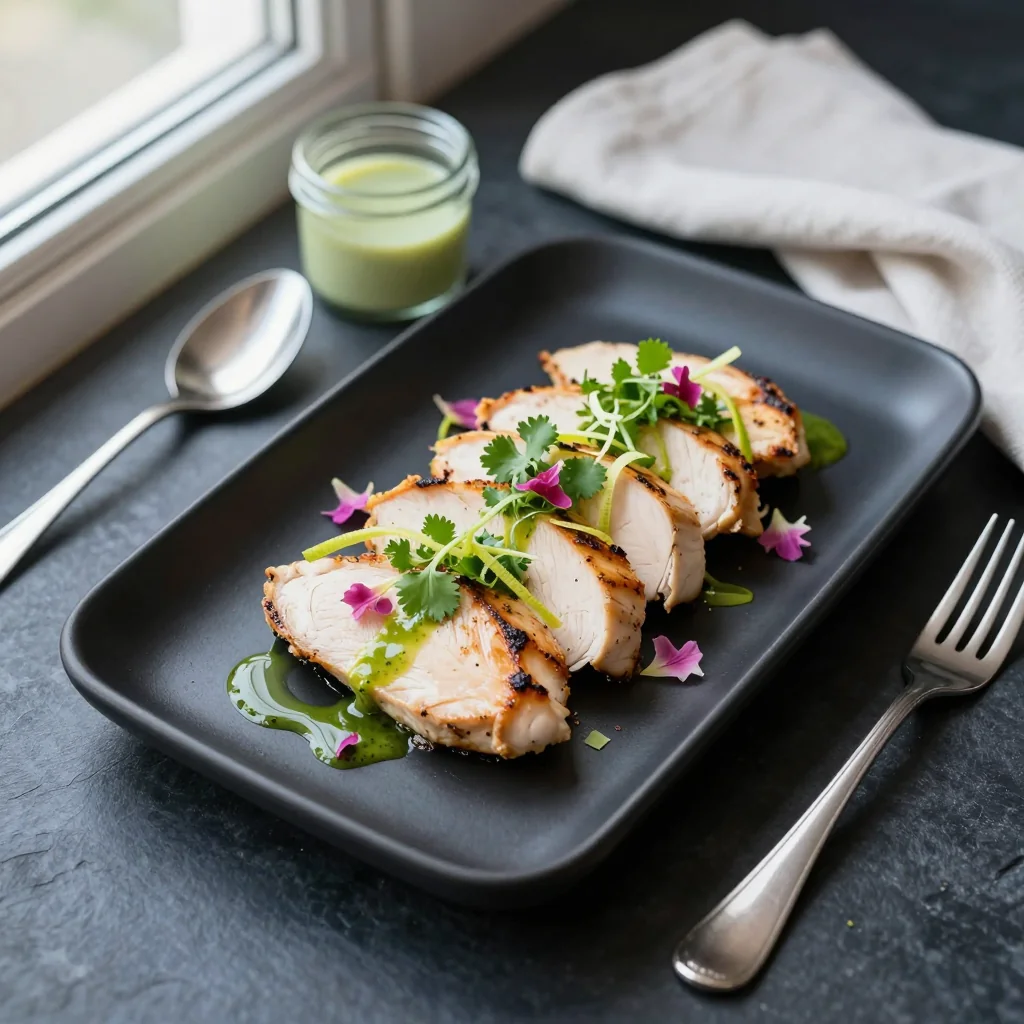
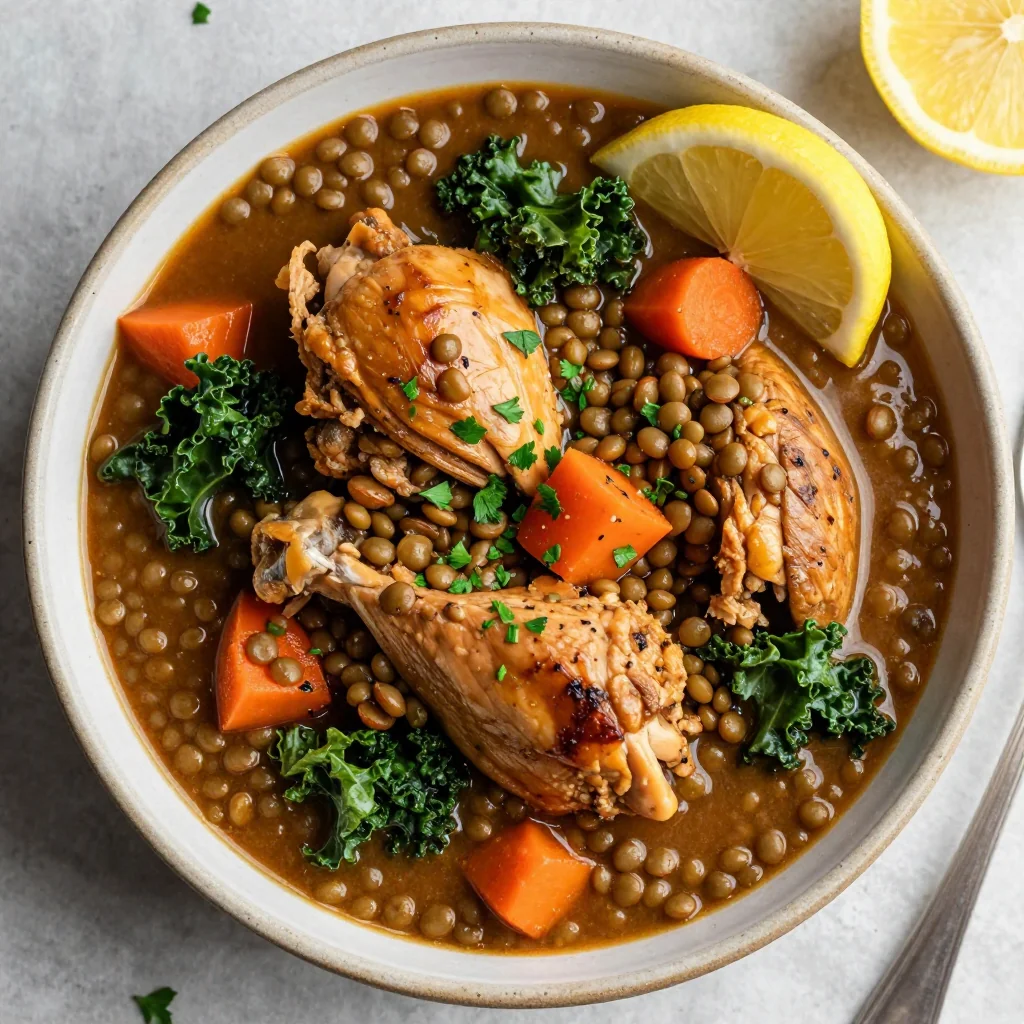
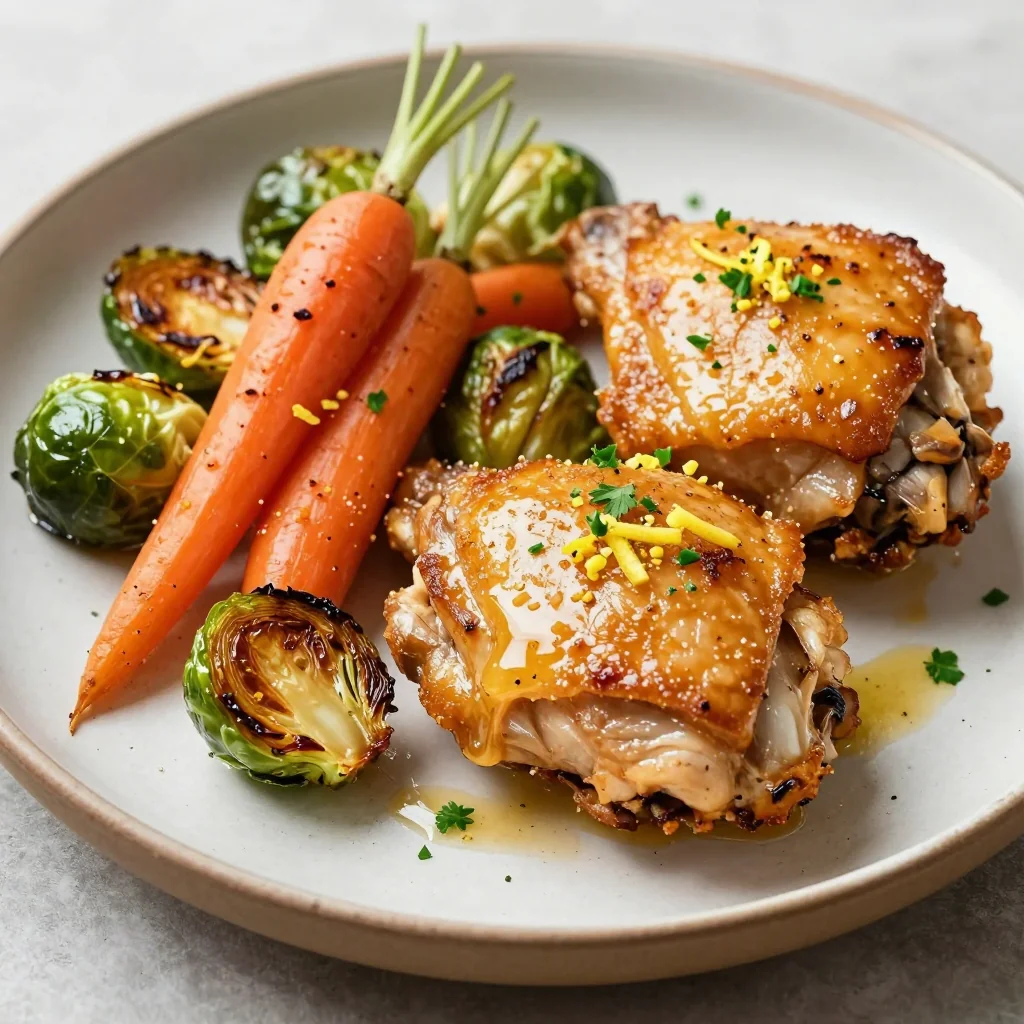
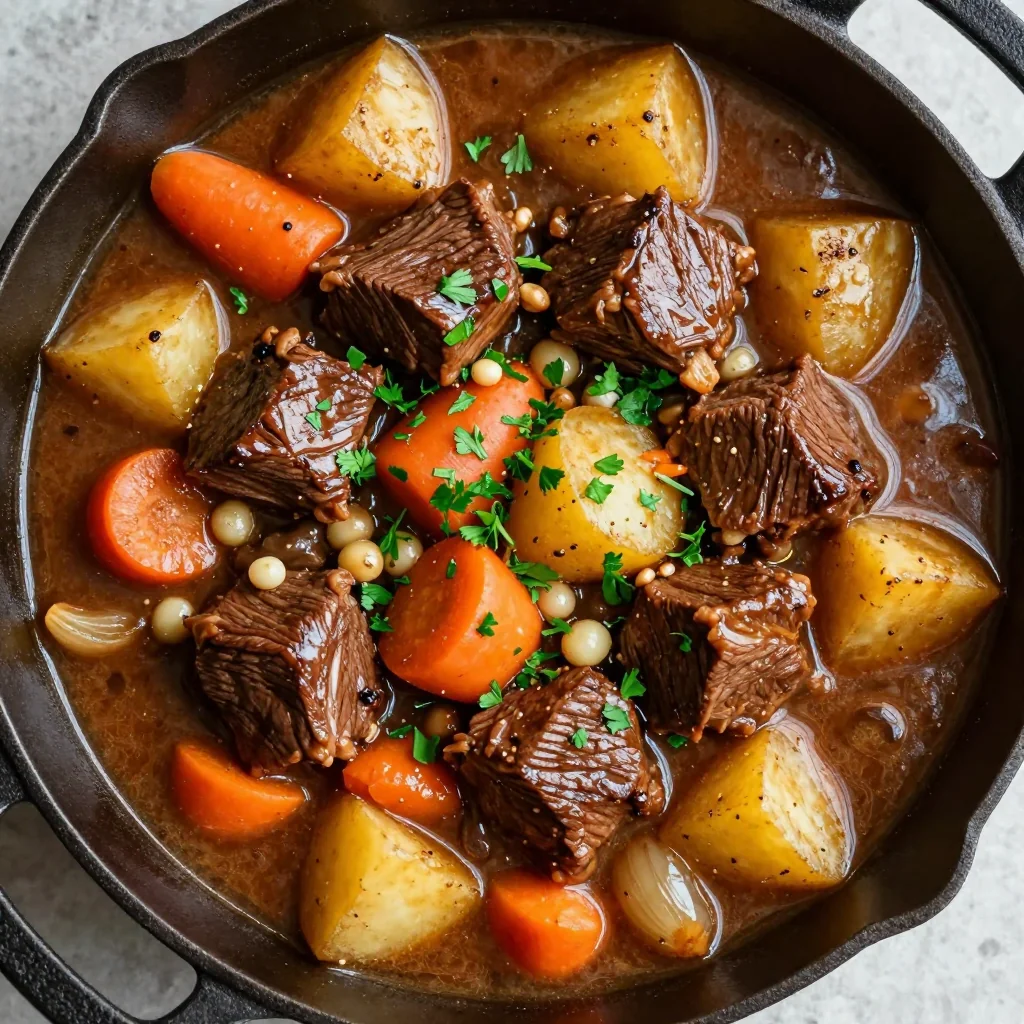
I still remember the Tuesday night I tried to impress my in-laws with a fancy chicken casserole that required seventeen steps, three different pots, and a level of culinary coordination I simply do not possess. The smoke alarm sang its shrill aria, the chicken emerged drier than my Aunt Carol's Thanksgiving turkey, and the stuffing tasted like seasoned cardboard. My mother-in-law, bless her diplomatic heart, took a polite bite and said, "Well, it's... crunchy." That humiliation festered for weeks until my neighbor dropped by with a slow cooker dish that changed everything. One forkful of her impossibly moist chicken and cloud-soft stuffing, and I experienced what I can only describe as a gravy-covered epiphany. She scribbled the basics on a sticky note, I tinkered like a mad scientist for months, and the version you're about to make is the glorious result: tender chicken that practically sighs when you poke it, stuffing that drinks up every last drop of herby, buttery goodness, and green beans that stay snappy instead of turning to army-green mush. Picture yourself lifting the lid six hours from now—steam rolls out carrying scents of roasted garlic and sage, the chicken gleams under a golden breadcrumb crust, and your kitchen smells like you hired a professional grandmother. If you've ever wrestled with dry poultry or stuffing that could grout tile, prepare for vindication. Let me walk you through every single step—by the end, you'll wonder how you ever made it any other way.
The magic begins with a simple truth most recipes ignore: stuffing mix straight from the box is a flavor wallflower waiting for an invitation to dance. Instead of rehydrating it with plain water like a sad sponge, we'll bathe it in concentrated chicken broth that's been spiked with Italian herbs and a whisper of garlic. Meanwhile, the chicken breasts lounge on a bed of cream of chicken soup and green beans, braising low and slow until they shred with the gentle nudge of a fork. Butter melts over the top, trickling down to create pockets of crispy edges that shatter like thin ice while the interior stays custard-soft. The first time I served this to my book club, Maria—who claims she "doesn't eat leftovers"—asked to take the crock insert home so she could scrape every last crumb. I dare you to taste this and not go back for thirds.
What sets this apart from the dump-and-pray slow cooker recipes cluttering the internet is deliberate layering. Every ingredient has a job interview, and only the overachievers get hired. The stuffing isn't just filler; it's the edible equivalent of a down comforter, soaking up juices until it becomes a savory bread pudding. The green beans steam above the liquid line so they stay bright and squeaky instead of dissolving into sad strings. And the chicken—oh, the chicken—gets a head start on flavor by nesting in seasoned broth, ensuring every fiber tastes like it spent a day at the spa. Most recipes get this completely wrong, treating the slow cooker like a garbage disposal where everything ends up the same texture. Here, contrast is king: creamy, crispy, juicy, snappy all coexist in one triumphant spoonful.
Fair warning: once this hits the dinner rotation, resistance is futile. I've seen grown adults fight over the corner bits where the stuffing caramelizes against the ceramic. I've witnessed teenagers abandon pizza night for second helpings. And yes, I'll confess—I ate half the batch straight from the slow cooker before anyone else got to try it, standing at the counter in my pajamas, using the serving spoon like a shovel. Future pacing moment: imagine coming home after a brutal workday, clicking the front door closed, and being greeted by the smell of Sunday supper even though you left the house at dawn. That's the everyday sorcery you're about to wield.
What Makes This Version Stand Out
Flavor Avalanche: While other recipes taste like seasoned drywall, this one builds layers with garlic, Italian herbs, and rich broth until every bite hums like a tiny flavor orchestra. The cream of chicken soup isn't just glue—it's a silky canvas carrying sage, rosemary, and thyme deep into the stuffing crannies.
Texture Wonderland: Expect fluffy stuffing crowns, gravy-soaked underlayers, and chicken so juicy it practically apologizes for taking so long to meet you. Green beans snap like autumn twigs while the buttery top forms golden crags that crackle under your fork.
Dump, Set, Forget: No pre-searing, no sautéing aromatics, no babysitting. You literally layer, lid, and live your life while the slow cooker does the heavy lifting. If you can stack Legos, you can make this meal.
Leftover Gold: The flavors marry overnight so the next-day plate tastes even better. Microwave a bowl for lunch and coworkers will drift over like cartoon characters following a pie on the windowsill.
Crowd Psychology: Serve this at potlucks and watch the line form. People who swear they hate casseroles will ask for the recipe. Someone will propose marriage; it's awkward but inevitable.
Ingredient Integrity: Every component pulls weight. No canned cream soup afterthoughts, no limp vegetables, no mystery seasonings. Real butter, real broth, real herbs—because you deserve better than "good enough."
Make-Ahead Hero: Assemble the night before, refrigerate the ceramic insert, then pop it into the base before work. Come home to a house that smells like you've been cooking for hours—because you have, but you weren't even there.
Alright, let's break down exactly what goes into this masterpiece...
Inside the Ingredient List
The Flavor Base
Chicken breasts are the canvas, but we're painting with bold strokes. Choose plump, rosy ones that feel firm and smell faintly sweet—if they reek of chlorine or feel slimy, keep walking. I prefer medium breasts (about 6 ounces each) because jumbo monsters take longer to cook and can dry around the edges before the center hits safety temp. Trim any dangling bits of fat; they won't render in the gentle slow-cooker heat and end up like rubber bands in your final bite. Season them simply with salt and pepper on both sides—this superficial seasoning travels downward as the meat releases juices, self-basting in a savory brine.
Garlic is the aromatic hype-man, and fresh matters here. Pre-minced jarred stuff tastes like disappointment and metallic regret. Smash two cloves under the flat of your knife, peel away the papery skin, then rock your blade through until you have a fine mince. Those volatile oils wake up once they hit warm broth, sending out invitations to every other ingredient: "Hey, flavor party at my place." Skip it and the whole dish tastes flat, like listening to a symphony with the strings section missing.
The Texture Crew
Stuffing mix is the carb hug that brings everyone together. I reach for the classic seasoned cubes—not the fancy cornbread or gluten-free varieties—because they strike the ideal staling point. They're dry enough to guzzle liquid without turning to paste, yet still tender inside once hydrated. Avoid the ultra-fine crumbs labeled "stuffing mix" that look like sawdust; they dissolve and leave you with chicken-flavored oatmeal. If you only have stale bread, cube it, toast it in a 300°F oven for 20 minutes, then toss with ½ teaspoon each of poultry seasoning and salt. Crisis averted.
Green beans provide Technicolor snap. Frozen haricots verts work beautifully because they're blanched before freezing, so they finish cooking right as the dish comes together. If you're using fresh, trim the stem ends and snap one in half—if it bends instead of breaks, it's past prime and will taste like wet newspaper. Canned beans are already cooked to death; skip them unless you enjoy olive-colored mush that squeaks between your teeth.
The Unexpected Star
Cream of chicken soup is the velvet jacket that makes everything look classy. I know, I know—canned soup gets a bad rap, but hear me out. In the slow cooker it melts into a silky liaison between broth and stuffing, preventing the bread from seizing into a starchy brick. If you're philosophically opposed to the can, whisk together 2 tablespoons butter, 2 tablespoons flour, ¾ cup chicken stock, and ¼ cup cream; simmer until thick, season with salt and a pinch of nutmeg. Homemade tastes brighter, but canned keeps this in weekday territory. Choose your fighter.
Chicken broth is the unsung hero that keeps the party moist. Reach for low-sodium so you control the salt level—some brands taste like licking a salt lick. Warm broth hydrates the stuffing evenly; cold liquid makes the cubes seize and you'll get crunchy pockets that never soften. If you only have bouillon, dissolve 1 teaspoon granules in 1½ cups hot water and taste—if it makes your lips pucker, dilute a bit more.
The Final Flourish
Butter is the golden crown. Use unsalted so you dictate seasoning; salted butter varies wildly by brand and can hijack the final flavor. Melt it first so it cascades evenly over the stuffing, finding every crag to toast to nutty perfection. Margarine melts but doesn't brown; olive oil tastes grassy and can bitter under long heat. Only real butter gives you those toasty, hazelnut notes that make people close their eyes involuntarily.
Italian seasoning is the shortcut symphony—oregano, basil, rosemary, thyme, marjoram already playing in harmony. If you're blending your own, lean heavier on thyme and rosemary; they stand up to long cooking without turning musty. Dried herbs need time to wake up, so resist the urge to use fresh here—they'll blacken and taste bitter after six hours of gentle heat.
Everything's prepped? Good. Let's get into the real action...
The Method — Step by Step
- Start by misting the inside of a 6-quart slow cooker with nonstick spray, reaching all the way up the sides—this dish climbs like ivy as it cooks. Lay the chicken breasts in a single layer on the bottom; if they overlap, they'll steam instead of braise, giving you rubbery edges. Season them generously with 1 teaspoon kosher salt, ½ teaspoon black pepper, and 1 teaspoon of the Italian seasoning, flipping to coat both sides. The salt will draw out juices, creating a self-made broth that seasons the meat from within. Slide the garlic between the chicken pieces so it kisses the ceramic and starts mellowing immediately.
- Whisk together the cream of chicken soup, 1 cup of the chicken broth, and the remaining Italian seasoning until smooth. Pour this ivory lava over the chicken, nudging with a spoon so it fills every crevice like liquid velvet. The sauce should come halfway up the sides of the meat; if your breasts are plumper, add an extra splash of broth. This bath keeps the chicken lubricated and gives the stuffing something luscious to sip later. Resist the urge to stir—gravity will do the work for you.
- Scatter the green beans across the surface in a loose, even blanket. Think of them as passengers on the top deck of a cruise ship: they need to stay above the broth line so they steam gently rather than boil into khaki sadness. If you're using frozen, no need to thaw; ice crystals actually help them cook slower and stay greener. Just break up any clumps so they don't huddle together like penguins in Antarctica.
- In a medium bowl, dump the stuffing mix and drizzle with the melted butter. Toss like you're mixing a salad, coating every cube so they're glossy and golden. This pre-butter step ensures the top layer toasts into crave-worthy crunch instead of sogging into wallpaper paste. Pour the remaining ½ cup warm broth over the stuffing and fold once; the cubes should darken slightly but still hold their shape. Over-mixing turns them to mush, so stop when they look like they're glistening after a workout.
- Spoon the stuffing evenly over the green beans, pressing lightly so it forms a cozy quilt but never tamps down hard. You want pockets where steam can escape, preventing a gluey middle. The layer should be about an inch thick—any more and the bottom stays soupy while the top dries like desert dunes. If your slow cooker is oval, leave a half-inch border around the edge so condensation can drip down and baste the sides.
- Place a clean kitchen towel under the lid, folding the edges up so they don't dangle near the heating element. This trick absorbs excess condensation, saving you from waterlogged stuffing that tastes like wet Kleenex. Set the cooker to LOW for 6 hours or HIGH for 3½ hours. Walk away. Seriously, leave the house. Every peek drops the temperature and adds 15 minutes to your cook time.
- At the halfway mark, give the ceramic insert a gentle quarter-turn if your machine heats unevenly—some hot spots can scorch one edge while leaving the other pale and doughy. Do not stir. I repeat, do not stir. You want distinct strata, not baby-food mush. If you smell browning butter and roasted herbs, you're on the right track; if it smells like burnt popcorn, your temp runs hot—flip to WARM for 30 minutes, then resume.
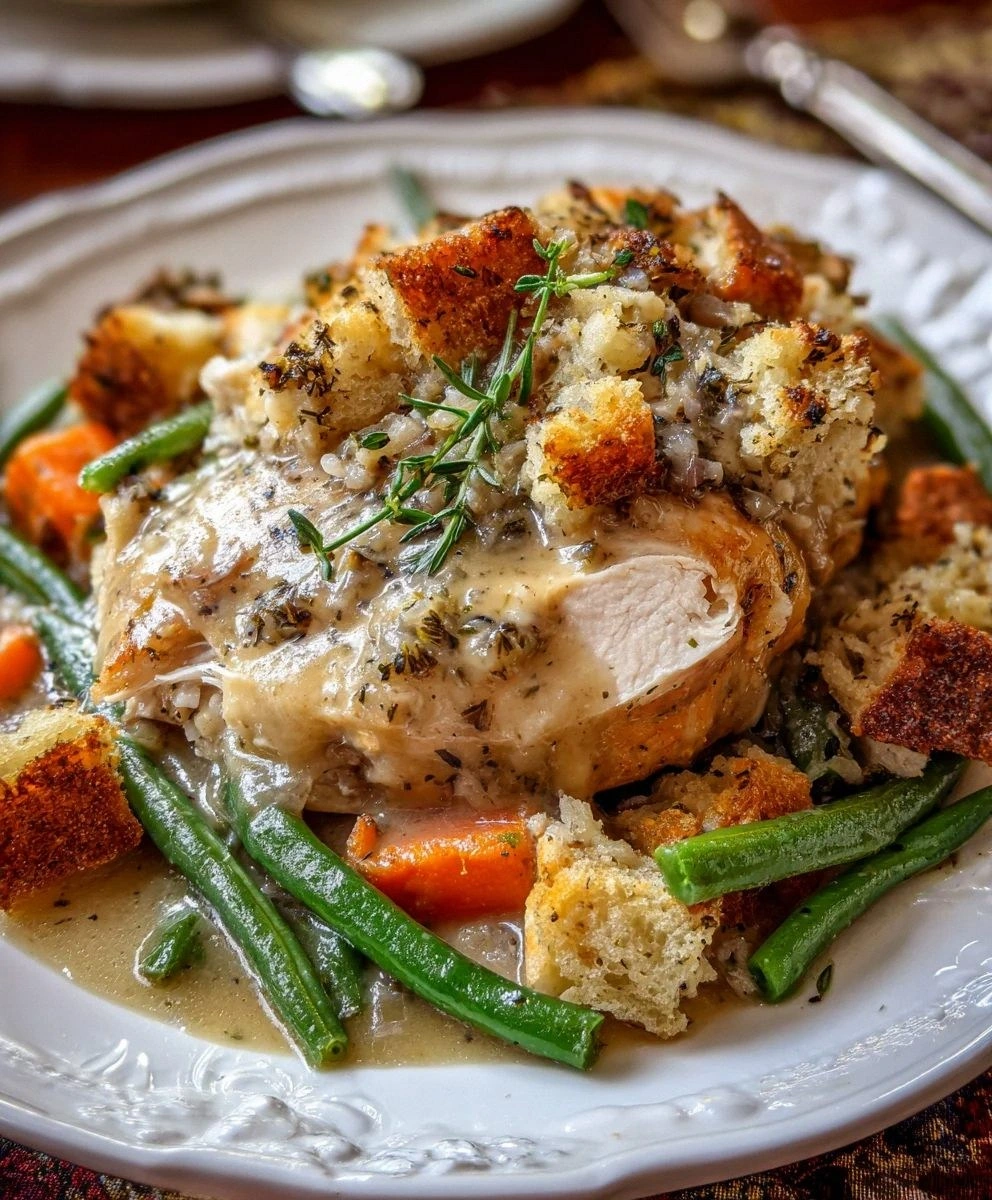
- The moment of truth comes when the timer dings. Lift the lid, letting the fragrant cloud hit your face like a warm scarf. The stuffing should look golden and craggy, the chicken should shred under gentle fork pressure, and the beans should glow emerald. If the top looks pale, slide the insert under a broiler for 3 minutes to bronze, but watch like a hawk—stuffing morphs from perfect to carbon in 30 seconds.
- Let the casserole rest 10 minutes before serving; this sets the sauce so it doesn't flood the plate like soup. Scoop straight down to the bottom so every portion gets a layer of creamy chicken, snappy beans, and buttery stuffing. The edges will be slightly crisp, the center cloud-soft, and every bite will taste like you spent the afternoon cooking when really you binge-watched two episodes of your favorite show.
That's it—you did it. But hold on, I've got a few more tricks that'll take this to another level...
Insider Tricks for Flawless Results
The Temperature Rule Nobody Follows
Chicken breasts are done at 165°F, but in a slow cooker they continue climbing after you unplug. Pull them at 160°F and let carry-over heat nudge them to safety; this prevents the cotton-dry texture that makes people swear off white meat forever. If you don't own an instant-read thermometer, shame on you—it's the cost of two lattes and will save you from serving poultry that chews like a yoga mat. Insert the probe into the thickest breast at the 5-hour mark on LOW; if it reads 155°F, you're golden. Future pacing: imagine slicing into meat that releases a gentle stream of juice instead of sawdust—worth every penny.
Why Your Nose Knows Best
Trust your senses more than the clock. When the stuffing toasts, you'll smell nutty, buttery bread before the timer buzzes. If all you detect is faint chicken stock, give it another 20 minutes. Olfactory cues beat arbitrary numbers because every machine behaves differently. My friend once served raw stuffing because she "followed the recipe exactly" while her cooker ran cool. Don't be Sarah; be the person who sniffs, adjusts, and gets applauded.
The 5-Minute Rest That Changes Everything
After cooking, switch the unit to WARM and crack the lid for 5 minutes. This allows excess steam to escape so the stuffing sets rather than collapses into a gummy heap. Think of it as letting a steak rest—juices redistribute, flavors meld, and you avoid the dreaded slow-cooker soup that pools around the edges of your plate. A friend tried skipping this step once; let's just say her casserole slid off the spatula like a landslide and she still hasn't lived it down.
Layer Like a Lasagna Pro
When adding stuffing, leave small gaps—like scattering mosaic tiles—so rising steam can vent. A solid glacier of bread traps moisture underneath, creating a gluey fault line no amount of broiling will fix. Think breathable blanket, not concrete slab. Your spoon should glide through distinct strata, not dredge up beige pudding.
Butter Temperature Matters
Melted butter coats evenly, but using it piping hot wakes up the dried herbs in the stuffing mix, blooming their oils before cooking even starts. Microwave until just melted, not bubbling, then toss immediately. Cold butter clumps and leaves bald bread cubes that never bronze. It's a tiny detail that separates "good" from "grandma-asking-for-seconds."
Creative Twists and Variations
This recipe is a playground. Here are some of my favorite ways to switch things up:
Thanksgiving Remix
Swap the Italian seasoning for poultry seasoning and fold ½ cup dried cranberries into the stuffing. The berries swell into jeweled bursts of tart-sweet that play against savory chicken like cranberry sauce without the can-shaped ridges. Add a pinch of orange zest to the broth for a whisper of citrus perfume. Vegetarians at the table will weep with envy even though there's turkey in the name.
Mushroom & Swiss Retreat
Replace green beans with sliced cremini mushrooms sautéed in butter until golden. Layer in ½ cup shredded Swiss cheese between chicken and soup for a fondue-like middle that stretches into Instagram-worthy cheese pulls. Use herb-seasoned stuffing mix plus a pinch of nutmeg to echo classic Swiss fondue flavors. Carnivores won't even miss the beans.
Buffalo Wing Hero
Whisk ¼ cup Buffalo wing sauce into the cream soup and omit Italian seasoning. The vinegary heat cuts through richness like a zesty exclamation point. Use celery pieces instead of green beans for authentic wing-joint vibes. Drizzle ranch dressing over each serving and watch teenagers stampede faster than you can say "game day."
Tex-Mex Fiesta
Season chicken with taco seasoning and substitute frozen corn for green beans. Stir 1 cup shredded pepper Jack into the stuffing and top with crushed tortilla chips for a nacho-crunch lid. Finish with fresh cilantro and a squeeze of lime to brighten the whole fiesta. Leftovers reheat into the world's most comforting quesadilla filling.
French Onion Dream
Caramelize two thin-sliced onions in butter until mahogany, then layer them under the chicken. Swap broth for beef consommé and use Gruyère cheese in the stuffing. The slow cooker transforms those onions into silky ribbons that taste like French onion soup distilled into casserole form. Serve with a green salad and pretend you're in a Paris bistro even if you're wearing sweatpants.
Harvest Apple Twist
Toss 1 cup diced apple (Honeycrisp or Fuji) with the stuffing mix and add a pinch of sage. The fruit melts into sweet pockets that contrast buttery stuffing like applesauce beside pork chops. Use apple cider in place of part of the broth for autumnal depth. It's Thanksgiving in October, no turkey required.
Storing and Bringing It Back to Life
Fridge Storage
Transfer cooled portions to airtight glass containers; plastic absorbs garlic odors and tomorrow's yogurt tastes like poultry. The casserole keeps 4 days chilled, though the stuffing will gradually drink up moisture and tighten. Press plastic wrap directly against the surface to prevent the dreaded fridge crust. Reheat individual servings with a splash of broth, covered, at 70% microwave power for 90 seconds, then stir and give it another 30. Your future self, stumbling in after a late meeting, will thank present you for this edible security blanket.
Freezer Friendly
Portion into freezer-zip bags, press out air, and freeze flat for space-saving bricks that stack like tasty gold bars. Label with blue painter's tape—trust me, six months from now every frozen blob looks identical. Thaw overnight in the fridge, not on the counter; slow defrosting keeps the texture from turning to sawdust. Add a tablespoon of water before reheating to replace moisture lost to ice crystals. Frozen portions keep 3 months, though I dare you to leave them alone that long.
Best Reheating Method
Oven beats microwave for restoring crunch. Spread leftovers in a buttered baking dish, drizzle with 2 tablespoons broth, cover with foil, and warm at 325°F for 20 minutes. Remove foil for the final 5 to re-crisp the top. Microwave works in a pinch, but place a damp paper towel over the bowl to create steam that revives the stuffing without turning it to rubber. Either way, finish with a fresh pat of butter because you deserve shiny, glorious leftovers that taste intentional, not apologetic.