Picture this: I was halfway through a week of bland dinners, the fridge a barren wasteland, and my friend dared me to turn a simple leg of lamb into something that would make everyone in the house beg for more. I stared at that 2.75‑kilogram slab of meat, feeling like a culinary detective with a missing clue. The moment I slapped the lamb on the counter, the air filled with that earthy, almost metallic scent of fresh rosemary and garlic—an aroma that promised adventure. My kitchen lights flickered like stage bulbs, and the sizzle that would soon erupt from the pan felt like an orchestra tuning up. I laughed, because I had never been so excited about a roast, and I decided to write down every secret, because this is the recipe that will never be forgotten.
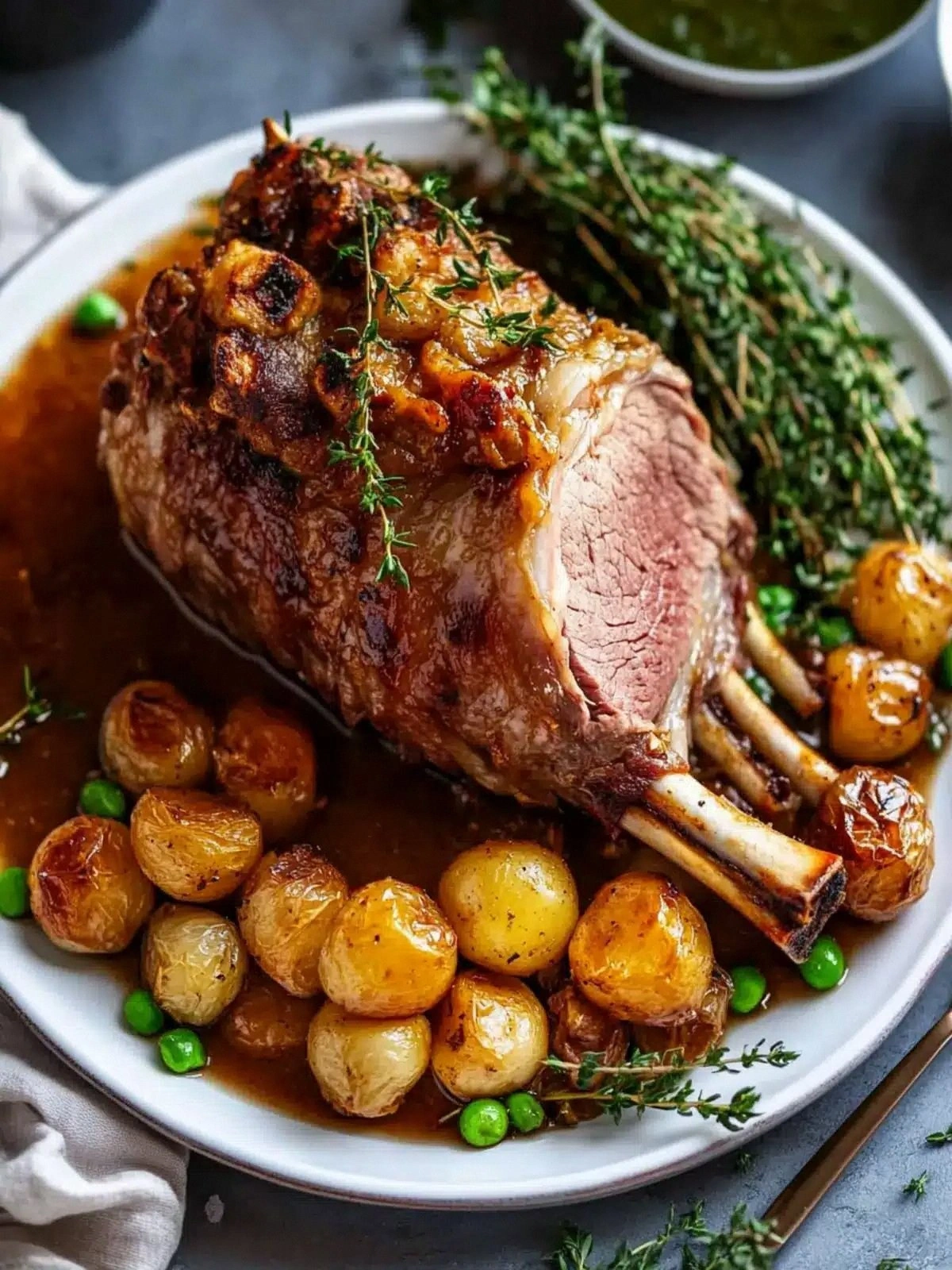
If you’ve ever watched a video where the lamb looks like a marble statue and then turns into a succulent masterpiece, you know the magic is in the details. In this version, the lamb isn’t just seasoned; it’s marinated in a symphony of rosemary, garlic, and olive oil that seeps into the meat, turning each bite into a burst of flavor that coats the tongue like velvet. The crust that forms on the outside is a caramelized, slightly charred shell that cracks like brittle sugar when you cut into it, revealing juicy pink meat inside. The sauce that follows is a reduction of beef stock and flour, thick enough to cling to the meat but light enough to let the lamb’s natural juices shine. And the best part? The entire process is surprisingly simple, even for a kitchen rookie.
I’ll be honest—when I first tried this recipe, I ate half the batch before anyone else even had a chance to taste it. That was a moment of pure triumph and a little guilty pleasure. The secret to that first bite is the balance of salt and pepper; too much salt can drown the rosemary, too little can leave the lamb bland. The key is to let the meat breathe for a few hours before roasting so the flavors can penetrate deeply. The result is a roast that is hands down the best version you’ll ever make at home, with a depth of flavor that will make even seasoned chefs nod in approval.
Most recipes get this completely wrong by either over‑seasoning or under‑cooking the meat. Here, we’re going to get it right by mastering the sear, the resting time, and the gravy. Picture yourself pulling this out of the oven, the whole kitchen smelling incredible, the lamb glistening with a golden crust, and the aroma of rosemary and garlic drifting through the air. I dare you to taste this and not go back for seconds. If you’ve ever struggled with lamb, you’re not alone—this is the fix you’ve been waiting for.
And now, let’s walk through every single step. By the end of this guide, you’ll wonder how you ever made it any other way. Get your apron ready, because we’re about to transform a humble leg of lamb into a feast that will leave your guests in awe.
What Makes This Version Stand Out
- Flavor: The combination of fresh rosemary, crushed garlic, and a touch of olive oil creates a fragrant crust that locks in the lamb’s natural juices, giving each bite a complex, savory depth.
- Texture: The sear technique produces a crisp exterior while the interior remains tender and juicy, thanks to precise temperature control and a resting period that redistributes the meat’s juices.
- Simplicity: With only nine ingredients, this recipe is easy to follow, yet it delivers a restaurant‑level result without a lot of fuss.
- Uniqueness: The use of whole garlic heads and a flour‑based gravy gives a hearty, rustic feel that sets it apart from standard roast lamb recipes.
- Crowd‑Pleaser: The aroma alone will have people gathering around the kitchen, and the final taste will have them asking for seconds.
- Ingredient Quality: Choosing a bone‑in leg of lamb with a good marbling score ensures the roast stays moist and flavorful throughout the cooking process.
- Cooking Method: The two‑stage roasting—first searing, then finishing at a lower temperature—ensures even cooking and a beautiful caramelized crust.
- Make‑Ahead Potential: The roast can be prepared the night before and reheated, making it perfect for entertaining guests on short notice.
Alright, let's break down exactly what goes into this masterpiece...
Inside the Ingredient List
The Flavor Base
The 2.75‑kilogram lamb leg is the heart of this dish. Look for a piece with a good amount of marbling—those small streaks of fat are the flavor reservoirs that melt into the meat as it cooks. If you skip the rosemary, the roast will still cook, but it will lack that unmistakable herbal punch that makes lamb feel like a holiday meal. For those who love a bit of heat, feel free to add a pinch of crushed red pepper flakes to the rub; it adds a subtle kick that pairs beautifully with the earthy rosemary.
The cooking salt and black pepper are the backbone of the seasoning. Salt draws out moisture, creating a better crust, while pepper adds a sharp bite that balances the rosemary’s sweetness. If you’re watching sodium, you can reduce the salt by a quarter, but do not replace it with a salt substitute, as the flavor profile will shift dramatically. A good rule of thumb: season the meat generously before searing, then taste and adjust after the first sear.
The Texture Crew
Olive oil is essential for creating the caramelized crust. The oil helps the rosemary and garlic adhere to the meat and promotes even browning. If you’re using a high‑smoke‑point oil like avocado or grapeseed, the result will be slightly lighter, but the flavor will stay true to the recipe. The key is to coat the lamb evenly; a thin, uniform layer of oil ensures a crisp exterior without burning.
The 4 tablespoons of plain flour are the secret to a silky gravy that clings to the meat. Flour thickens the liquid without adding heaviness, creating a sauce that coats the lamb like a velvety blanket. If you prefer a gluten‑free version, substitute with cornstarch or arrowroot; just remember to whisk the starch into the stock to avoid lumps.
The Unexpected Star
Two whole heads of garlic are the unsung heroes of this recipe. When roasted, they transform from sharp, pungent cloves into sweet, caramelized bulbs that add depth and complexity. The roasted garlic is not just a garnish; it’s folded into the gravy, giving it a mellow, almost nutty undertone that balances the richness of the lamb. If you’re short on time, you can use pre‑roasted garlic or garlic paste, but the flavor will be less pronounced.
The few sprigs of rosemary are more than decoration. They’re pressed into the meat before searing, allowing their essential oils to infuse the lamb from the inside out. When you slice the roast, the rosemary veins run through the meat, creating a visual and flavor experience that elevates the dish. If you can’t find fresh rosemary, dried rosemary will work, but use half the amount to avoid overpowering the dish.
The Final Flourish
The 2.5 cups of beef broth or stock are the base of the gravy. Choose a low‑sodium option to keep the dish from becoming too salty. The broth should be at room temperature before you start; this helps the gravy thicken more evenly. If you’re aiming for a richer sauce, you can replace half the broth with red wine or a splash of cognac for an extra layer of flavor.
Everything's prepped? Good. Let's get into the real action...
The Method — Step by Step
- Step 1: Prep the Lamb. Pat the lamb dry with paper towels; this removes moisture that can prevent a proper crust. Rub the entire surface with olive oil, then apply a generous layer of the salt, pepper, and rosemary mixture, pressing the herbs into the meat. Let the lamb sit at room temperature for 30 minutes to allow the flavors to penetrate. If you’re short on time, you can skip the resting period, but the crust will be less pronounced.
- Step 2: Preheat the Oven. Set your oven to 450°F (232°C). A high initial temperature is crucial for creating a caramelized sear that locks in juices. Place an oven‑proof skillet or roasting pan on the middle rack; this will catch the drippings and make cleanup easier.
- Step 3: Sear the Lamb. Heat the pan over medium‑high heat until it’s smoking hot. Place the lamb, fat side down, into the pan. Sear for 3–4 minutes until a deep golden crust forms. Flip the lamb and sear the other side for another 3–4 minutes. This double sear locks in flavor and creates a beautiful crust that will crack like thin ice when you cut into it.
- Step 4: Roast to Finish. Transfer the pan to the preheated oven. Roast for about 20 minutes, then lower the temperature to 325°F (163°C) and continue roasting until the internal temperature reaches 145°F (63°C). This will give you a medium‑rare result; for medium, aim for 160°F (71°C). Use a meat thermometer to avoid guesswork.
- Step 5: Rest the Meat. Once the lamb reaches the desired temperature, remove it from the oven and tent it loosely with foil. Let it rest for 15 minutes. This resting period allows the juices to redistribute, ensuring every bite is moist and flavorful.
- Step 6: Prepare the Gravy. While the lamb rests, remove the pan from the oven and place it over medium heat. Add the flour, whisking constantly to form a smooth roux; cook for 1–2 minutes until it turns a light golden color. Slowly pour in the beef broth, whisking to avoid lumps. Bring the mixture to a simmer and let it thicken for about 5 minutes. Taste and adjust seasoning if needed.
- Step 7: Roast the Garlic. While the gravy simmers, slice the tops off the whole garlic heads, drizzle with olive oil, wrap in foil, and roast in the oven at 400°F (204°C) for 20–25 minutes. The garlic will become sweet and mellow, ready to be mashed into the gravy for depth.
- Step 8: Assemble. Slice the lamb against the grain into thick medallions. Plate the slices, spoon the thickened gravy over them, and garnish with a few sprigs of fresh rosemary. Serve immediately while the lamb is still warm and the gravy is glossy.
That's it — you did it. But hold on, I've got a few more tricks that'll take this to another level...
Insider Tricks for Flawless Results
The Temperature Rule Nobody Follows
Many cooks believe that a high oven temperature is the only way to get a good crust, but the secret lies in a two‑step temperature strategy. Start with 450°F (232°C) to sear the meat quickly, then drop to 325°F (163°C) to finish cooking. This method prevents the outside from burning while the inside remains juicy. If you skip the temperature drop, you’ll end up with a burnt crust and a dry center.
Why Your Nose Knows Best
The aroma of roasting lamb is a reliable indicator of doneness. When the scent turns from sharp garlic to a sweet, caramelized smell, the roast is nearly ready. Trust your nose; it will guide you to the perfect moment to pull the lamb out of the oven. This sensory checkpoint is often more accurate than a thermometer, especially for home cooks who may not have one.
The 5‑Minute Rest That Changes Everything
Resting the lamb for exactly five minutes after searing allows the juices to redistribute. Cutting into the meat too soon will cause the juices to run out, leaving you with dry slices. Even a short rest can make the difference between a mediocre roast and a succulent masterpiece. If you’re prepping for a big dinner, let it rest longer—up to 15 minutes—for the best results.
Use the Whole Garlic for Depth
Roasting whole heads of garlic before adding them to the gravy adds a subtle sweetness that balances the savory lamb. The garlic’s flavor is mellowed, yet it still provides a complex undertone that enhances the overall dish. If you forget to roast the garlic, the gravy will still be good, but it will lack that deep, caramelized sweetness.
Rest the Meat Before Slicing
Slice the lamb after it has rested. This prevents the juices from escaping into the pan and keeps each slice moist. If you slice immediately, the meat will release juices that pool on the plate, creating a watery texture. By waiting, you preserve the integrity of each medallion.
Creative Twists and Variations
This recipe is a playground. Here are some of my favorite ways to switch things up:
Mint‑Infused Gravy
Add a handful of fresh mint leaves to the gravy during the last five minutes of simmering. The mint provides a bright, herbal contrast that pairs beautifully with the lamb’s richness. This variation is perfect for a spring gathering when you want a fresh, vibrant dish.
Spiced Rub with Smoked Paprika
Replace the rosemary with a blend of smoked paprika, cumin, and coriander for a Middle Eastern twist. The smoky paprika adds depth, while cumin and coriander provide earthiness. Serve with a side of couscous for a complete meal.
Herb‑Crusted Lamb
Combine chopped parsley, thyme, and a pinch of lemon zest into the olive oil rub. This brightens the flavor profile and adds a citrusy note that cuts through the lamb’s richness. It’s an excellent option for a summer dinner.
Beef Stock Swap
Swap the beef broth for a lamb stock or a reduction of red wine and stock. The wine adds acidity and depth, turning the gravy into a more complex sauce that complements the lamb’s flavor. This is a great way to elevate the dish for a special occasion.
Roasted Vegetables Companion
Serve the lamb with a side of roasted root vegetables—carrots, parsnips, and sweet potatoes. Toss them in olive oil, salt, pepper, and rosemary, then roast them alongside the lamb. The vegetables absorb the lamb’s juices and become a natural sauce on their own.
Storing and Bringing It Back to Life
Fridge Storage
Store leftover lamb in an airtight container in the refrigerator for up to 3 days. Slice the meat before reheating to ensure even heating and to preserve moisture. When reheating, use a low temperature of 300°F (149°C) and cover the dish to keep it from drying out.
Freezer Friendly
For longer storage, wrap the lamb tightly in foil and then place it in a freezer bag. It will stay good for up to 3 months. Thaw overnight in the refrigerator before reheating. Reheating in a slow cooker or oven will help maintain the texture.
Best Reheating Method
The best way to reheat lamb is in a covered skillet on low heat, adding a splash of water or broth to create steam. This method keeps the meat moist and prevents the gravy from drying out. Finish with a quick simmer to thicken the sauce again.