I was halfway through a boring Tuesday morning when my roommate dared me to turn the blandest brunch staple into something that would make a Michelin chef blush. I stared at the stale bagel, the half‑hearted pancake, and the sad, plain French toast that had been haunting my kitchen for weeks. The challenge? Create a version so daring, so herb‑packed, that even my picky cousin would beg for seconds. I grabbed a loaf of challah, a handful of parsley, and a jar of almond milk, and the kitchen instantly transformed into a battlefield of aromas and possibilities.
Picture this: the buttery scent of toasted challah dancing with the fresh, peppery perfume of thyme, while the sizzling pan sings a crisp, golden chorus. The sound of the batter hitting the hot oil is like a drum roll that promises a crunchy climax, and the first bite? It’s a buttery crunch that melts into a silky herb‑infused interior, followed by the creamy coolness of avocado and the richness of a perfectly runny egg. My taste buds did a happy jig, and the whole apartment smelled like a Parisian bistro that had just opened its doors to a garden of fresh herbs.
Most savory French toast recipes either drown the bread in a sea of cheese or drown it in bland eggs. This one? It’s a masterclass in balance. The almond milk keeps the batter light, the fresh parsley and thyme add a garden‑fresh pop, and the garlic powder gives that subtle depth you’d expect from a gourmet sauce. And the secret weapon? A quick splash of vegetable oil that creates a crust so crisp it shatters like thin ice under your fork.
I’m going to let you in on a technique most cooks overlook: the “double‑dip” method, where each slice gets a quick dip in the batter, a brief rest, then a second dip before hitting the pan. This creates a double‑layered coating that’s buttery on the outside and custardy on the inside. Okay, ready for the game‑changer? Let me walk you through every single step — by the end, you’ll wonder how you ever made it any other way.
What Makes This Version Stand Out
- Herb‑Forward: Fresh parsley and thyme aren’t just garnish; they’re woven into the batter, giving every bite a garden‑kissed flavor that outshines dried herbs.
- Crisp‑to‑Cream Contrast: The double‑dip technique creates a crust that crackles like fresh snow, while the interior stays soft as a cloud.
- Light Yet Satisfying: Unsweetened almond milk keeps the batter airy, so you don’t feel weighed down after a hearty brunch.
- Protein Power: Four eggs in the batter plus two topping eggs turn this into a protein‑packed powerhouse, perfect for a post‑workout brunch.
- Veggie Boost: The avocado adds buttery richness, and arugula adds a peppery bite that cuts through the richness.
- Simple Ingredients, Gourmet Feel: No exotic spices, just pantry staples elevated by fresh herbs and a quality loaf of challah.
- Make‑Ahead Friendly: Prep the batter ahead of time; the toast cooks up in minutes, making it ideal for busy mornings.
- Crowd‑Pleaser: This dish sparks conversation; guests will be daring you to taste it and not go back for seconds.
Inside the Ingredient List
The Flavor Base
The backbone of this dish is the almond‑milk‑egg batter. Unsweetened almond milk contributes a subtle nuttiness without adding sugar, letting the herbs shine. If you swap it for dairy milk, you’ll get a richer texture, but you’ll also lose that light, airy feel that makes the toast feel less like a heavy breakfast casserole. I recommend using a high‑quality, bar‑strained almond milk for the smoothest consistency.
Fresh Parsley: This handful of bright green parsley does more than add color; it infuses the batter with a clean, slightly peppery note that balances the richness of the eggs. If you skip it, the toast will feel flat, like a song without a chorus. For the best flavor, give the parsley a quick rinse, pat it dry, and chop it just before mixing.
Fresh Thyme: One teaspoon of thyme brings an earthy, almost lemony aroma that pairs beautifully with the almond milk. Dried thyme can be used in a pinch, but the fresh version releases volatile oils that evaporate quickly, delivering that “just‑picked” scent. If you love a stronger herb presence, double the thyme.
The Texture Crew
Challah bread is the star of the show. Its brioche‑like richness and slight sweetness make it the perfect canvas for a savory batter. Using a day‑old loaf is ideal; the slight dryness helps the bread soak up the mixture without becoming soggy. If you can’t find challah, brioche or a sturdy country loaf works just as well.
Vegetable Oil: Two tablespoons of neutral‑flavored oil give the toast a golden crust without imparting any unwanted aftertaste. I prefer grapeseed oil because it has a high smoke point, but any light oil will do. Avoid butter if you want that crisp “shatter‑like‑thin‑ice” edge; butter tends to brown faster and can burn.
Garlic Powder, Salt, Black Pepper: These three seasonings are the unsung heroes that elevate the batter from bland to bold. Garlic powder adds depth without the harsh bite of fresh garlic, while salt and pepper bring out the natural flavors of the bread and herbs. Adjust pepper to your heat tolerance — a pinch more can turn the dish into a subtle spice adventure.
The Unexpected Star
Avocado: Sliced avocado provides a buttery counterpoint to the crisp toast, creating a mouthfeel that’s both creamy and satisfying. If you’re not a fan of avocado, try a smear of ricotta or a dollop of Greek yogurt for a tangy alternative. The key is to add the avocado after the toast is cooked, so it stays cool and vibrant.
Arugula: This peppery green adds a fresh bite that cuts through the richness of the eggs and avocado. Toss it lightly with a drizzle of olive oil and a squeeze of lemon before layering it on top. If arugula feels too bitter for you, baby spinach works as a milder substitute.
The Final Flourish
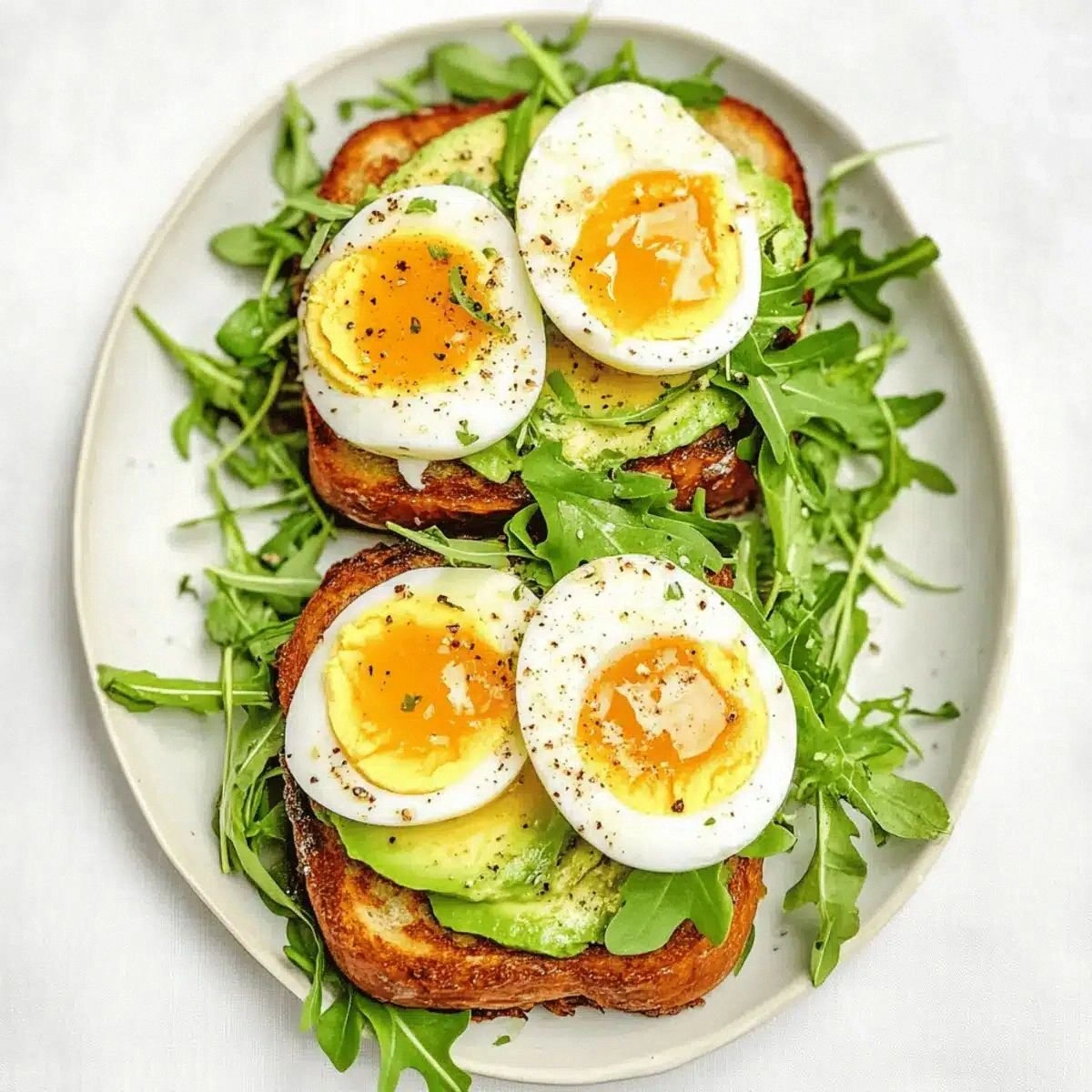
The topping eggs are the crowning glory. Two fried or soft‑boiled eggs add a luxurious runny yolk that drapes over the toast like liquid gold. If you prefer a firmer texture, go for a sunny‑side‑up egg; if you love that oozy center, soft‑boil for exactly six minutes, then peel and place gently on top. The yolk will mingle with the avocado and arugula, creating a sauce that coats the toast like velvet.
Everything's prepped? Good. Let's get into the real action...
The Method — Step by Step
Start by whisking together 4 large eggs, 1 cup unsweetened almond milk, 1 teaspoon garlic powder, 1 teaspoon salt, and 1 teaspoon black pepper in a wide bowl. Add the chopped parsley and thyme, then give everything a good stir until the herbs are evenly distributed. The mixture should look glossy and slightly frothy, like a sunrise over a calm sea. Watch the color — it should be a pale, herb‑speckled amber.
Place the 4 slices of challah on a cutting board. If the loaf is very fresh, lightly toast each slice for 30 seconds to dry the surface; this helps the batter cling better. Then, dip each slice into the batter, allowing it to soak for about 10 seconds per side. Double‑dip by lifting the slice, letting excess drip, and dunking it again for a second coat. This creates that coveted double‑layered crust.
Kitchen Hack: Use a shallow dish for the batter and tilt it slightly while dipping. This reduces splatter and ensures an even coating.Heat a large non‑stick skillet over medium‑high heat and add 2 tablespoons of vegetable oil. When the oil shimmers (you’ll see a faint ripple), it’s ready. Lay the battered challah slices in the pan, making sure they don’t overlap. Hear that sizzle? That’s the sound of flavor forming a crust.
Cook each side for 3‑4 minutes, or until the edges turn a deep golden brown and start pulling away from the pan. Flip carefully with a spatula; the crust should be firm enough to hold its shape but still give a little give when pressed. If the toast browns too quickly, lower the heat to medium; you want a slow, even caramelization.
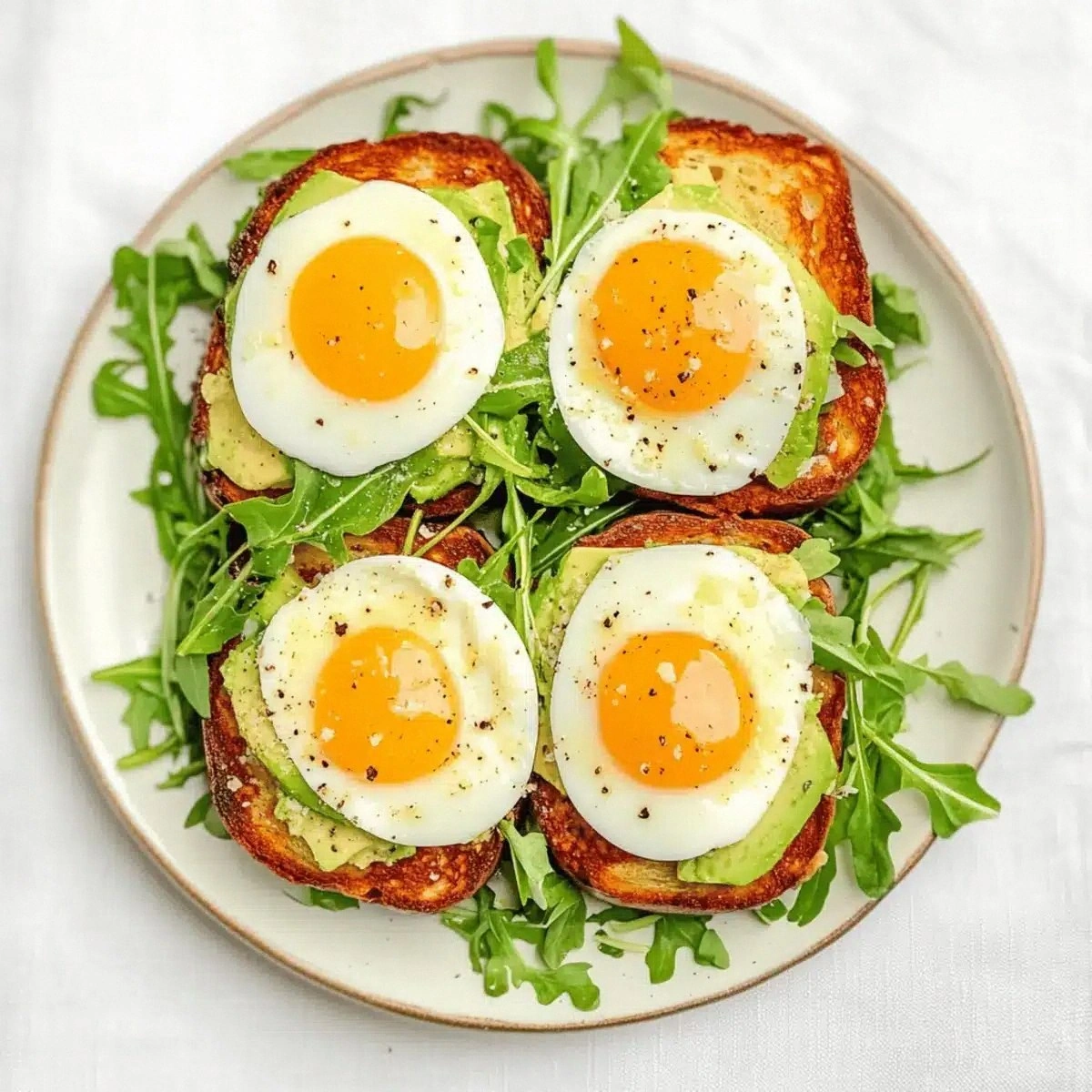
Watch Out: Overcrowding the pan drops the temperature, leading to soggy toast. Cook in batches if necessary.While the toast is finishing, quickly fry or soft‑boil the 2 topping eggs. For a fried egg, crack it into a separate hot pan with a splash of oil, cooking until the whites are set but the yolk remains runny (about 2 minutes). For soft‑boiled, simmer for exactly 6 minutes, then plunge into ice water before peeling. The goal is a luscious yolk that will melt into the toast like sunrise over a meadow.
Arrange the cooked toast on a serving platter. Top each slice with a handful of arugula, then layer the sliced avocado in elegant ribbons. Place the fried or soft‑boiled egg on top of each slice, letting the yolk sit like a golden halo. Sprinkle a pinch of extra black pepper and a drizzle of olive oil for that final glossy finish.
Give the whole plate a quick squeeze of fresh lemon juice; the acidity brightens the herbs and cuts through the richness. Let the dish rest for a minute — this allows the yolk to slightly thicken, creating a natural sauce that clings to the toast.
Serve immediately, and watch your guests’ eyes widen as they dig in. Pair with a crisp white wine or a bright herbal tea, and you’ve got a brunch that feels both luxurious and comforting. That first bite? It’s the moment where crunch meets cream, herb meets earth, and everything else just fades away.
That's it — you did it. But hold on, I've got a few more tricks that'll take this to another level. Trust me, the next section will make you the undisputed brunch champion among your friends.
Insider Tricks for Flawless Results
The Temperature Rule Nobody Follows
Most home cooks crank the heat to “high” hoping for a faster crust, but that’s a recipe for burnt edges and soggy centers. Keep your skillet at medium‑high and watch the oil shimmer; this steady temperature ensures even browning. I once tried “high heat” and ended up with toast that tasted like charcoal. The secret is patience — a few extra minutes in the pan yields a golden crust that shatters like thin ice, not a rubbery mess.
Why Your Nose Knows Best
Before you even see the color change, your nose will pick up the nutty, herbaceous aroma that signals the batter is caramelizing. If you smell a faint buttery scent, flip the slice. If the smell turns slightly sweet, you’re on the right track. Trusting your nose saves you from over‑cooking and gives you that perfect “toasty” perfume that makes the whole kitchen feel like a bakery.
The 5‑Minute Rest That Changes Everything
After the toast is cooked, let it sit for exactly five minutes before adding the avocado and arugula. This short rest lets the interior settle, preventing the avocado from wilting instantly. I once plated everything right away and the greens turned soggy; the rest period keeps the texture crisp and the flavors distinct.
Egg Perfection Every Time
For the topping eggs, a quick tip: add a splash of water to the pan before cracking the egg, then cover with a lid for 45 seconds. The steam cooks the whites gently while keeping the yolk runny. Skipping this step often leads to over‑cooked yolks that lose that luscious flow. I’ve seen many a brunch disaster because someone tried to “cook the yolk” — never again.
Seasoning Layers, Not One
Season the batter, the toast, and the final plating separately. A pinch of salt in the batter, a dash of pepper on the finished plate, and a drizzle of flavored oil on top create a depth that a single seasoning step can’t achieve. This layered approach ensures every bite hits multiple flavor notes, keeping the palate excited.
The Avocado Timing Trick
Slice the avocado just before serving to avoid oxidation. If you must prep ahead, brush the slices with lemon juice and store them in an airtight container. This preserves the vibrant green color and prevents the dreaded brown spots that can ruin the visual appeal.
Creative Twists and Variations
This recipe is a playground. Here are some of my favorite ways to switch things up:
Mediterranean Muse
Swap parsley for fresh basil, add crumbled feta, and sprinkle Kalamata olives on top. The salty olives and tangy feta bring a sun‑kissed Mediterranean vibe that pairs beautifully with a glass of rosé.
Spicy Southwest
Introduce a pinch of smoked paprika into the batter, replace arugula with baby spinach, and add sliced jalapeños. Top with a drizzle of chipotle aioli for a smoky heat that makes the palate dance.
Umami Boost
Add a tablespoon of miso paste to the batter for a deep, savory umami note. Finish with toasted sesame seeds and a splash of soy‑ginger glaze. This version feels like a breakfast version of a Japanese ramen bowl.
Cheesy Delight
Stir in ¼ cup grated Gruyère into the batter and sprinkle extra cheese on top before serving. The cheese melts into the crust, creating a gooey, indulgent layer that’s pure comfort.
Vegan Victory
Replace the eggs with a blend of silken tofu and nutritional yeast, use oat milk instead of almond, and top with a plant‑based “egg” made from tofu scramble. The result is a fully vegan brunch that still delivers that crispy‑soft texture.
Storing and Bringing It Back to Life
Fridge Storage
Place leftover toast slices in an airtight container lined with parchment paper. They’ll stay fresh for up to 3 days. When ready to eat, reheat in a skillet with a splash of oil over medium heat for 2‑3 minutes per side.
Freezer Friendly
Wrap each cooked slice tightly in foil, then place them in a zip‑top freezer bag. They freeze well for up to 2 months. To reheat, thaw overnight in the fridge, then crisp them in a preheated oven at 375°F for 10 minutes.
Best Reheating Method
Add a tiny splash of water (about a tablespoon) to the pan before reheating; the steam revives the interior while the oil restores the crust. This trick prevents the toast from drying out and keeps the avocado from turning mushy.