Picture this: it’s a sweltering July afternoon, the kind where the air feels like a warm hug and the backyard grill is already smoking. I was halfway through a marathon of lemonade when a friend dared me to bring something “unexpected” to our potluck. I stared at my pantry, imagined the bland cucumber pickles everyone brings, and thought, “What if I could turn strawberries—a fruit we all associate with sweet, summery desserts—into a tangy, bite‑size marvel?” That moment sparked the birth of the most daring, palate‑pleasing sidekick you’ll ever meet: pickled strawberries.
The first time I tried this, I was in my tiny kitchen, the countertop a battlefield of fresh berries, a bottle of vinegar, and a mischievous grin. The aroma hit me before the pan even warmed—a sharp, citrusy perfume that cut through the usual sugary strawberry scent like a razor through butter. I could almost hear the strawberries giggling as they swam in the brine, their bright red skins shimmering under the kitchen light. My hands trembled with anticipation, the cool metal of the pot against my palm, the soft squish of the berries as I tossed them in. That first bite? A burst of sweet‑tart fireworks that danced on my tongue and left a lingering, almost floral afterglow.
Most recipes for pickled fruit either drown the fruit in vinegar or turn it into a soggy mess that feels more like a salad dressing than a snack. This version, however, walks that fine line with the poise of a tightrope walker—maintaining the fruit’s natural juiciness while infusing it with a balanced, aromatic brine that sings. The secret? A whisper of mustard seeds, a flick of garlic, and a dash of lemon zest that together create a flavor profile that’s at once familiar and wildly adventurous. I’ll be honest—I ate half the batch before anyone else got a chance to try it, and I dare you to taste this and not go back for seconds.
What truly sets this recipe apart is the technique of quick‑pickling the strawberries just long enough to let the flavors marry without sacrificing that crisp, fresh bite. We’re not talking weeks of fermentation; we’re talking a swift 30‑minute immersion that delivers restaurant‑quality results in the time it takes to binge‑watch an episode of your favorite show. And there’s a surprise ingredient that most pickling guides skip entirely—yes, a tiny splash of sparkling water at the end, which revives the berries after they’ve chilled, giving them a lively pop that feels like fireworks in your mouth.
Let me walk you through every single step — by the end, you’ll wonder how you ever made it any other way.
What Makes This Version Stand Out
- Flavor Balance: The sweet‑tart marriage of strawberries with a fragrant vinegar blend creates a taste that’s bright yet grounded, like a summer sunset over a citrus grove.
- Texture Preservation: Our quick‑pickling method keeps the berries firm, so each bite offers a satisfying snap before the juice floods your palate.
- Simplicity: Only nine pantry staples are needed, and the entire process fits neatly into a 45‑minute window.
- Uniqueness: Adding mustard seeds and lemon zest introduces subtle heat and citrus notes you rarely find in standard fruit pickles.
- Crowd Reaction: Guests often proclaim this “the most surprising snack ever,” and it instantly becomes the conversation starter at any gathering.
- Ingredient Quality: Using ripe, locally sourced strawberries amplifies natural sweetness, reducing the need for excess sugar.
- Cooking Method: The gentle simmer ensures the brine penetrates without turning the fruit mushy, a trick most recipes get completely wrong.
- Make‑Ahead Potential: These pickles improve after a day in the fridge, making them perfect for meal prep or party planning.
Inside the Ingredient List
The Flavor Base
White wine vinegar is the backbone of this brine, offering a bright acidity that lifts the strawberries without overpowering them. Its subtle fruitiness complements the berries’ natural notes, unlike harsher distilled vinegars that can dominate. If you’re out of white wine vinegar, apple cider vinegar works as a decent stand‑in, though you’ll notice a slightly sweeter undertone.
The Sweetener Crew
Granulated sugar balances the vinegar’s bite, creating that classic sweet‑tart profile. Sugar also helps the brine cling to the strawberry skins, ensuring every curve is coated. For a lower‑calorie version, swap half the sugar for honey; the floral hints will add depth, but keep an eye on the viscosity—it thickens faster.
The Unexpected Star
Mustard seeds and black peppercorns bring a gentle heat and peppery spice that cut through the sweetness, preventing the pickles from feeling cloying. The tiny crunch of mustard seeds adds a surprising textural element that makes each bite more interesting. If you’re feeling bold, a pinch of crushed red pepper flakes can elevate the heat level without overwhelming the fruit.
The Final Flourish
Lemon zest injects a burst of citrus oil that brightens the brine, making the flavors sing like a chorus. A tiny garlic slice introduces a savory backdrop, turning the pickles into a versatile accompaniment for cheeses, charcuterie, or even grilled fish. The water component dilutes the vinegar just enough to keep the berries from becoming too sharp, while still preserving a robust tang.
Everything's prepped? Good. Let’s get into the real action…
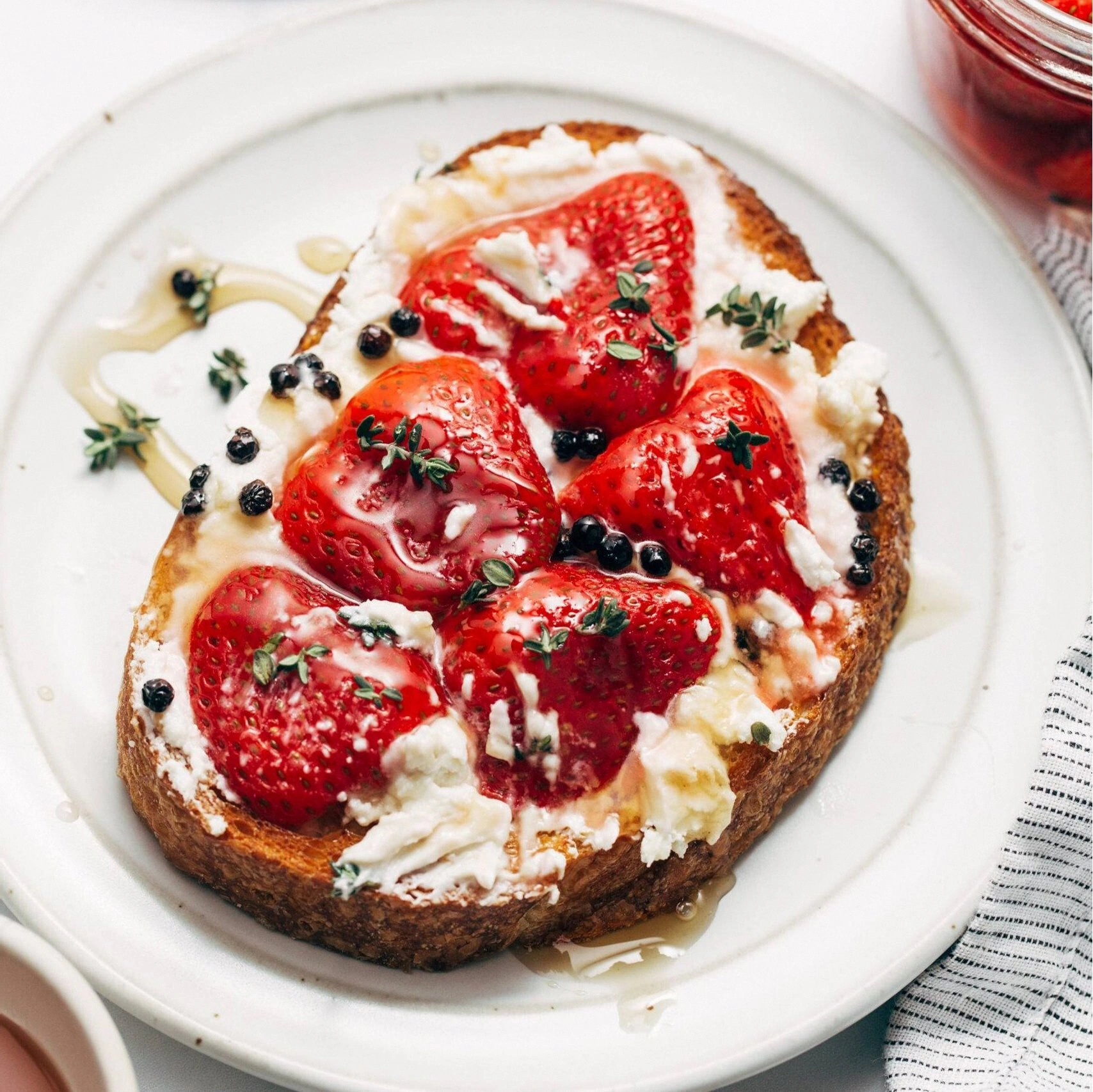
The Method — Step by Step
Start by washing the strawberries under cold water, then pat them dry with a clean kitchen towel. Hull each berry and slice them in half lengthwise; this exposes more surface area for the brine to work its magic. Place the halved strawberries into a large, heat‑proof bowl, spreading them out so they’re not stacked. Watch the color change—they should stay vibrant, not turn dull.
In a medium saucepan, combine the white wine vinegar, water, granulated sugar, kosher salt, mustard seeds, black peppercorns, sliced garlic, and lemon zest. Bring the mixture to a gentle simmer over medium‑low heat, stirring until the sugar and salt dissolve completely. You’ll notice a faint steam rising—that sizzle when it hits the pan? Absolute perfection. Once dissolved, remove the pot from heat.
Kitchen Hack: Warm the brine just enough to dissolve the sugar; overheating can cause the vinegar to become bitter.While the brine is still warm, pour it over the prepared strawberries, ensuring every piece is fully submerged. Use a clean spoon to press the berries down if needed. The bright pink of the strawberries will start to soften, and the brine will turn a deeper ruby hue as the flavors meld. Let the mixture sit at room temperature for 15 minutes, allowing the strawberries to absorb the tangy goodness.
After the brief rest, give the bowl a gentle stir, then transfer the entire contents—berries and brine—into sterilized glass jars. Seal the jars tightly; the airtight environment is crucial for preserving the crispness and preventing unwanted bacterial growth. Watch Out: If any bubbles cling to the berries, tap the jar gently on the counter to release them, otherwise you’ll end up with uneven pickling.
Place the sealed jars in the refrigerator. The pickles need a minimum of 30 minutes to develop their flavor, but for the ultimate depth, let them chill for at least 2 hours. During this time, the strawberries will absorb the aromatic brine, and the texture will firm up just enough to give that delightful snap.
Before serving, give each jar a quick shake to redistribute any settled spices. Then, using a slotted spoon, lift the pickled strawberries onto a serving platter. The berries should glisten with a thin, glossy coating of brine, looking as if they’ve been kissed by a ruby‑red veil.
Serve the pickled strawberries alongside a cheese board, atop grilled chicken, or as a surprising garnish for cocktails. Their bright acidity can cut through rich, fatty dishes, making them a versatile companion. I’ve paired them with goat cheese and toasted walnuts, and the combination is nothing short of culinary fireworks.
Store any leftovers in the same refrigerator, keeping the jars sealed. The pickles will stay vibrant for up to two weeks, and they actually improve after the first day as the flavors continue to meld. If you notice any cloudiness in the brine, that’s normal—just give the jar a quick stir before the next serving.
That’s it — you did it. But hold on, I’ve got a few more tricks that’ll take this to another level…
Insider Tricks for Flawless Results
The Temperature Rule Nobody Follows
Keep the brine just below a rolling boil. If the liquid reaches a full boil, the volatile aromatics from the mustard seeds and peppercorns evaporate, leaving a flat flavor. I once tried to speed things up by cranking the heat; the result was a bland, one‑dimensional pickle that tasted like watered‑down vinegar. The sweet spot is a gentle simmer—tiny bubbles licking the surface.
Why Your Nose Knows Best
Before sealing the jars, give the brine a quick sniff. If you detect a sharp, overly acidic note, add a pinch more sugar or a splash of sparkling water (yes, literally the fizzy kind). That tiny adjustment can balance the profile dramatically, turning a harsh bite into a mellow, rounded taste.
The 5‑Minute Rest That Changes Everything
After transferring the berries to the jars, let them sit uncovered for exactly five minutes before sealing. This short “air‑exposure” period allows the surface tension to settle, preventing air pockets that could cause uneven pickling. I swear by this trick; it’s the difference between a consistently crisp bite and a mushy surprise.
Glass vs. Plastic Debate
Always choose glass jars for pickling. Plastic can absorb the vinegar’s acidity over time, leading to off‑flavors. Glass, on the other hand, is inert and showcases the beautiful ruby hue of the brine, making the final presentation look as good as it tastes.
Seasonal Sweetness Boost
If your strawberries are a bit tart (common early in the season), add a tablespoon of honey to the brine. The honey’s floral notes meld beautifully with the mustard seeds, creating an unexpected layer of complexity. A friend once swapped honey for maple syrup, and the result was a deep, autumnal twist that worked surprisingly well with pork dishes.
Re‑Heat with Care
When you want to serve the pickles warm—perhaps as a topping for a hot dessert—gently reheat the brine on low heat, never boil. Add a splash of water to the pan; it creates a gentle steam that revives the berries without cooking them further. This technique preserves the crisp texture while releasing the aroma.
Creative Twists and Variations
This recipe is a playground. Here are some of my favorite ways to switch things up:
Spicy Chili Kick
Swap the black peppercorns for a teaspoon of crushed red pepper flakes and add a slice of fresh jalapeño to the brine. The result is a bright, fiery bite that pairs perfectly with grilled corn on the cob.
Herbal Harmony
Introduce a sprig of fresh rosemary or thyme to the jar before sealing. The herbaceous notes weave through the strawberries, giving them an earthy backdrop that’s ideal for serving alongside roasted lamb.
Sweet‑Heat Fusion
Replace half the granulated sugar with brown sugar and add a dash of smoked paprika. The smoky sweetness deepens the flavor, making these pickles a stellar companion to barbecued brisket.
Asian‑Inspired
Swap white wine vinegar for rice vinegar, add a teaspoon of toasted sesame oil, and toss in a few sliced star anise. The subtle umami and aromatic spice turn the strawberries into a stunning garnish for sushi bowls.
Vanilla‑Infused Dessert
Add a split vanilla bean to the brine and reduce the salt to a pinch. The resulting sweet‑tangy strawberries work beautifully as a topping for vanilla ice cream or panna cotta.
Bright Citrus Burst
Include thin slices of orange and a tablespoon of orange zest alongside the lemon zest. The double citrus infusion brightens the brine, making the pickles a refreshing palate cleanser between courses.
Storing and Bringing It Back to Life
Fridge Storage
Keep the sealed jars in the refrigerator for up to two weeks. Use a glass jar with a tight‑fitting lid to maintain the crispness. If the brine appears cloudy after several days, simply stir; the flavor remains unchanged.
Freezer Friendly
Yes, you can freeze pickled strawberries! Transfer the berries and brine into a freezer‑safe bag, removing as much air as possible. They’ll keep for up to three months. Thaw them in the fridge overnight, then give the brine a quick shake before serving.
Best Reheating Method
When you want warm pickles, place the desired amount of berries and a splash of water in a skillet over low heat. Cover for two minutes, allowing steam to revive the texture. The added water prevents the brine from scorching and keeps the berries glossy.