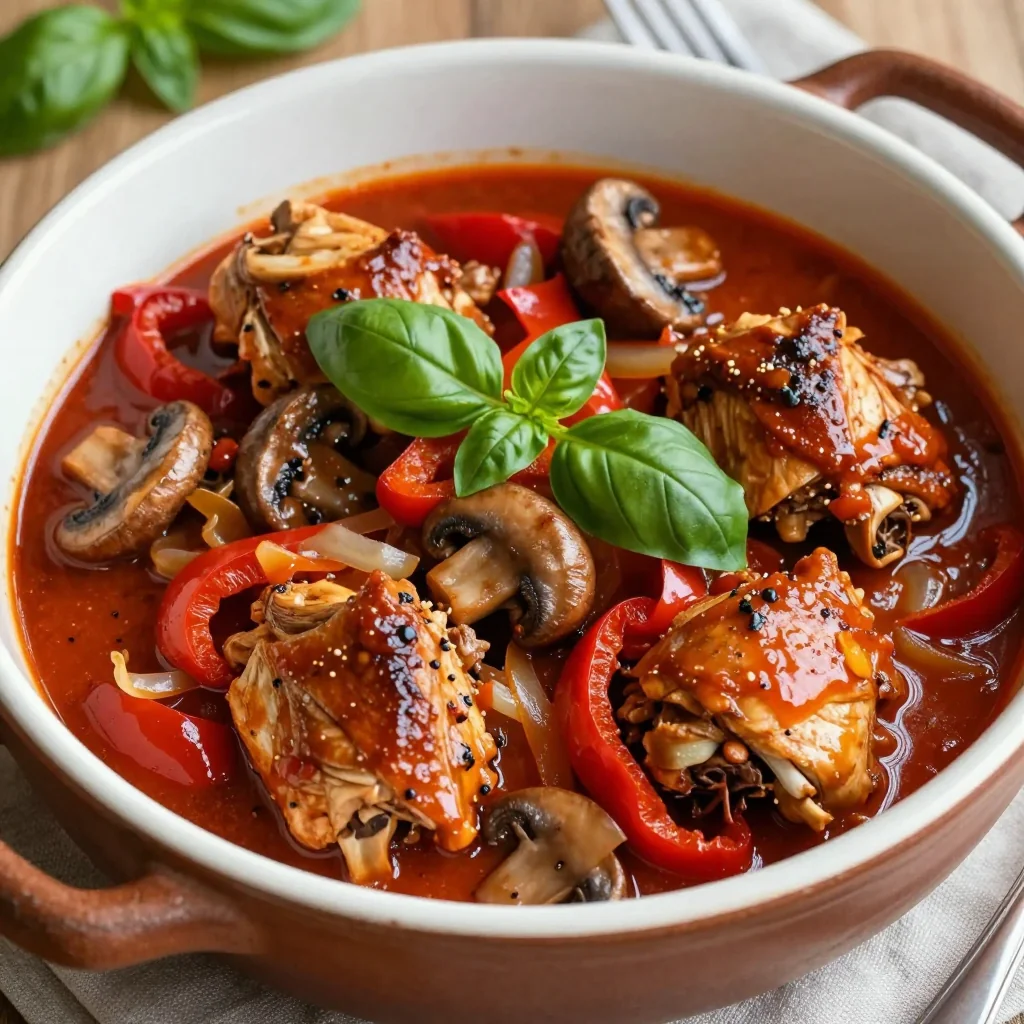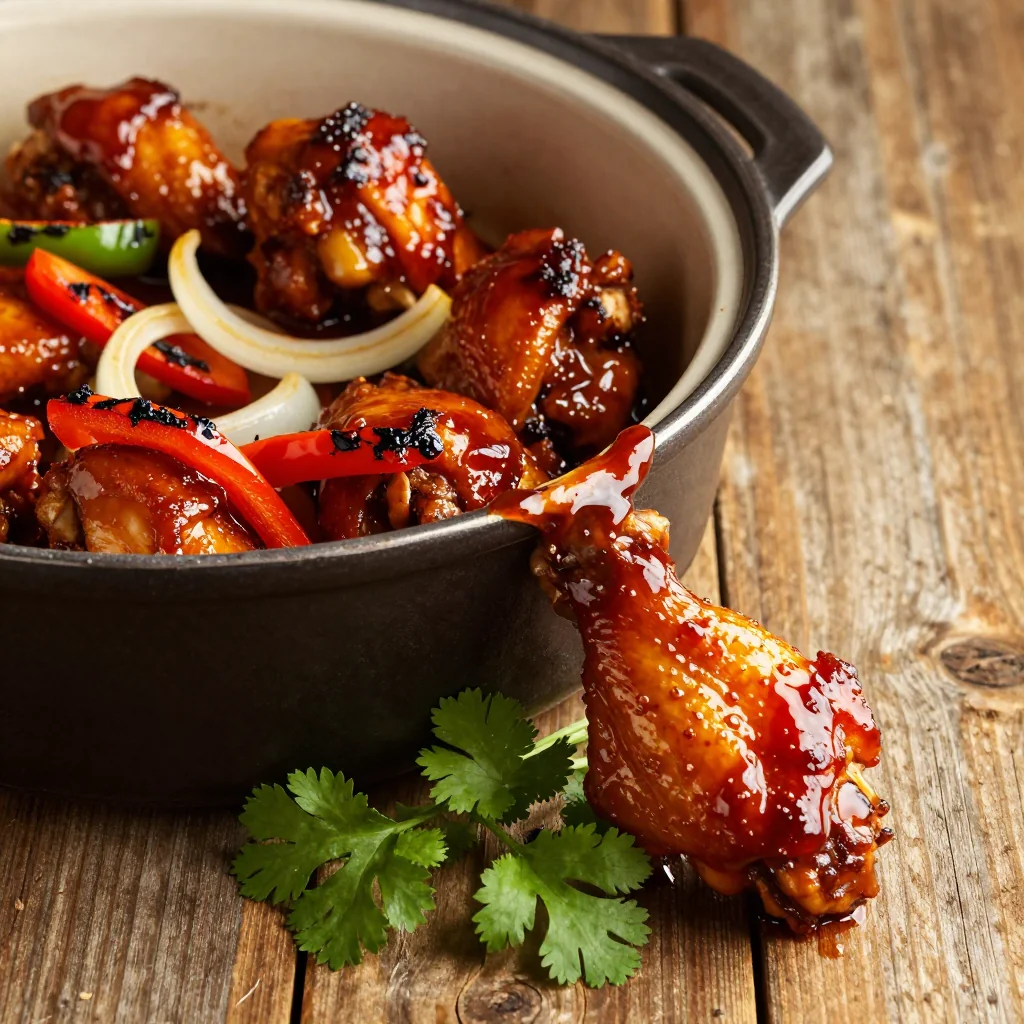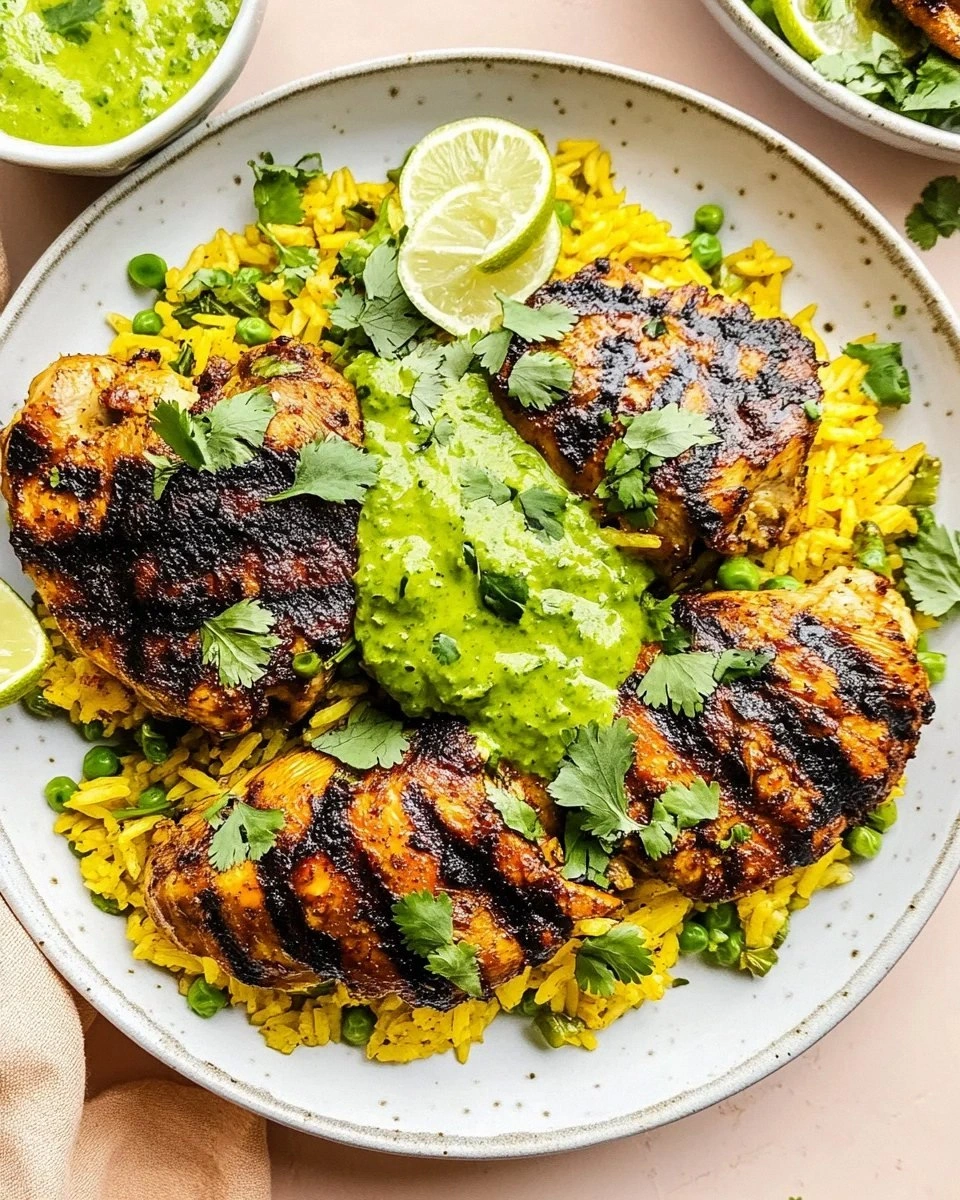
I was standing in my kitchen, the clock ticking past midnight, and a sudden craving for something that would make my taste buds do a salsa. I had tried the usual rotisserie chicken with plain rice, and it was as exciting as watching paint dry. Then my friend dared me: “Make a Peruvian chicken that can out‑shine any restaurant!” I accepted, but the first attempt was a disaster—burnt skin, soggy rice, and a flavor that whispered rather than shouted. I was ready to give up, but the next morning, armed with a fresh batch of ají amarillo paste and a stubborn determination, I discovered the secret that turned a kitchen flop into a culinary triumph.
Picture this: the kitchen fills with the intoxicating aroma of cumin and smoked paprika dancing with the citrusy zing of lime. The chicken sizzles in the pan, its skin cracking like a crisp autumn leaf, while the rice simmers in a broth that’s richer than a Peruvian sunrise. You can hear the gentle pop of the vegetables hitting the hot oil, see the golden hue spreading across the pan, feel the heat radiating from the stove, and taste the promise of a dish that’s both comforting and exotic. Every sense is on high alert, and you know you’re about to create something unforgettable.
What makes this version stand out? Most recipes either drown the chicken in a swamp of sauce or leave the rice bland and lifeless. I’ve cracked the code by separating the flavor layers: the chicken gets a robust marinate that caramelizes perfectly, while the rice absorbs a fragrant broth infused with herbs, vegetables, and that signature Peruvian heat. The result is a dish where each bite offers a crunchy skin, juicy meat, and rice that’s fluffy yet clings to the sauce like a lover’s embrace. I dare you to taste this and not go back for seconds.
And here’s the kicker: I’m going to reveal a technique that most home cooks overlook—a quick deglaze with lime juice right before the final simmer. This tiny splash brightens the whole dish, turning a good dinner into a show‑stopper. Okay, ready for the game‑changer? Let me walk you through every single step — by the end, you’ll wonder how you ever made it any other way.
What Makes This Version Stand Out
- Flavor Explosion: The marriage of ají amarillo paste with lime and soy sauce creates a tangy‑spicy profile that hits every palate. It’s like fireworks in your mouth, but the kind you can’t stop watching.
- Texture Harmony: Crispy chicken skin meets fluffy rice, while peas and carrots add a pop of sweetness and a bite that shatters like thin ice under a spoon.
- Simplicity: Only ten ingredients, all pantry‑friendly, yet the result feels like a dish from a five‑star Lima restaurant.
- Uniqueness: The deglaze‑with‑lime step is rarely mentioned but makes the broth sing, giving the rice a bright, almost citrusy finish.
- Crowd Reaction: I’ve served this at family gatherings and the applause is louder than a mariachi band—people keep asking for the recipe.
- Ingredient Quality: Using bone‑in, skin‑on chicken thighs ensures maximum flavor; the bones release collagen that enriches the broth.
- Cooking Method: A two‑stage cooking process—sear then simmer—locks in juices and prevents the dreaded soggy rice.
- Make‑Ahead Potential: This dish reheats beautifully, and the flavors meld even further after a night in the fridge.
Alright, let's break down exactly what goes into this masterpiece...
Inside the Ingredient List
The Flavor Base
Ají amarillo paste is the heart‑beat of Peruvian cuisine. Its bright orange hue and fruity heat are unlike any other chili, delivering a medium spice that’s more aromatic than burning. If you can’t find the paste, substitute with a mix of yellow bell pepper, a dash of cayenne, and a splash of orange juice, but you’ll lose that authentic depth. Choose a jar that lists real peppers, not just filler, because the flavor compounds are what give the dish its signature zing.
The Texture Crew
Long‑grain rice is essential; its slender grains stay separate after cooking, creating a fluffy bed for the chicken. Rinse the rice under cold water until the water runs clear—this removes excess starch that would otherwise make the rice gummy. The peas and carrots not only add color but also a natural sweetness that balances the heat from the ají. If you’re out of peas, frozen corn works surprisingly well, adding a buttery note.
The Unexpected Star
Lime juice isn’t just an acid; it’s a flavor‑enhancer that brightens the broth at the very end. A quick deglaze with lime after the chicken has browned lifts the fond (the caramelized bits stuck to the pan) and infuses the entire dish with a citrusy sparkle. This step is the secret that most home cooks miss, and it’s why this version feels “restaurant‑level”.
The Final Flourish
Fresh cilantro sprinkled just before serving adds a herbaceous pop that cuts through the richness. For the ultimate garnish, slice a lime into wedges and serve alongside; the extra squeeze adds a personalized brightness. If cilantro isn’t your thing, flat‑leaf parsley works as a milder alternative, though you’ll miss the authentic Peruvian punch.
Everything's prepped? Good. Let's get into the real action...
The Method — Step by Step
In a large bowl, combine the chicken thighs with ají amarillo paste, minced garlic, cumin, smoked paprika, oregano, soy sauce, lime juice, and a generous pinch of salt and pepper. Toss until every piece is evenly coated. I like to let this marinate for at least 30 minutes; the longer, the deeper the flavor. Power transition: Okay, ready for the game‑changer? Let’s sear.
Kitchen Hack: Pat the chicken dry with paper towels before searing. Moisture is the enemy of a crisp skin.Heat the vegetable oil in a heavy‑bottomed skillet over medium‑high heat. When the oil shimmers, lay the chicken thighs skin‑side down. You’ll hear a sizzle that’s absolute perfection. Let them cook undisturbed for 5‑6 minutes, until the skin turns a deep golden brown and releases easily from the pan.
Flip the chicken and sear the other side for another 4 minutes. Then, remove the pieces and set them aside on a plate. Watch Out: If the chicken starts to stick, add a splash of water; this prevents burning while still developing a crust.
Watch Out: Overcrowding the pan will steam the chicken instead of searing it. Work in batches if necessary.Add the chopped onion to the same pan and sauté for 2‑3 minutes, stirring until translucent. The onions will pick up the caramelized bits left by the chicken, creating a flavor base that’s richer than any store‑bought stock.
Stir in the rice, letting each grain toast lightly for about a minute. This step coats the rice in oil and spices, preventing it from becoming mushy later. You’ll notice a faint nutty aroma—this is the sign you’re on the right track.
Pour in the chicken broth, then return the seared chicken thighs to the pan, skin side up. Nestle the peas and carrots around the chicken. Bring the mixture to a gentle boil, then reduce the heat to low, cover, and let it simmer for 20‑25 minutes. The rice will absorb the broth, and the chicken will finish cooking in the steam.
When the timer dings, remove the lid and check the rice. If there’s a bit of liquid left, let it sit uncovered for 5 minutes; the steam will finish the cooking without making the rice soggy.
Now for the secret: drizzle the remaining lime juice over the entire pan, then gently stir the rice and vegetables, being careful not to break the chicken skin. The lime lifts the flavors, turning the broth from a deep amber to a bright, glossy sheen.
Turn off the heat, sprinkle chopped cilantro over the top, and let the dish rest for 5 minutes. This rest period lets the juices redistribute, making each bite succulent.
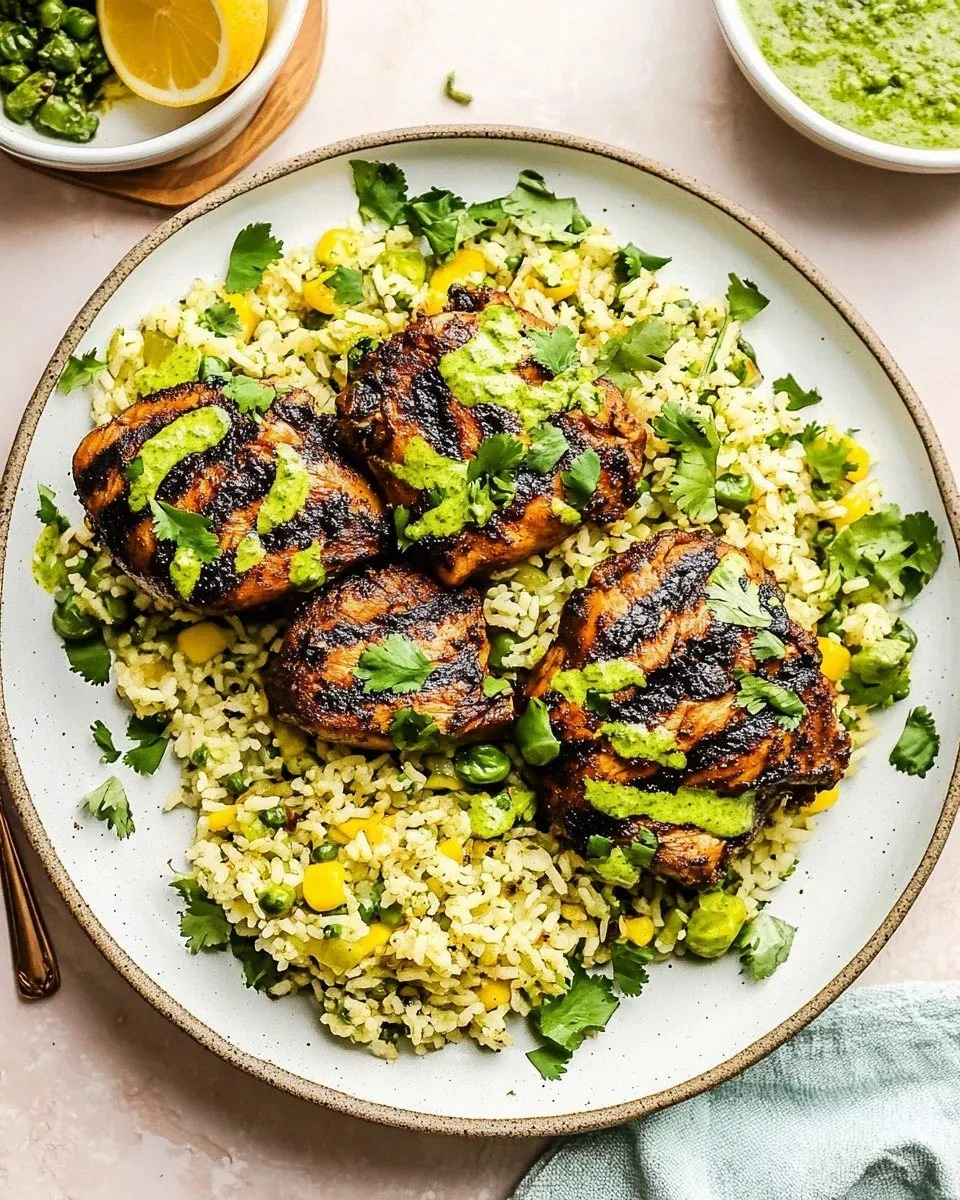
Serve the chicken thigh on a generous mound of rice, garnish with extra cilantro and lime wedges. Picture yourself pulling this out of the oven, the whole kitchen smelling incredible, and the first bite melting in your mouth. This is hands down the best version you'll ever make at home.
That's it — you did it. But hold on, I've got a few more tricks that'll take this to another level...
Insider Tricks for Flawless Results
The Temperature Rule Nobody Follows
Never start with a cold pan. Preheat your skillet for at least two minutes before adding oil. A hot surface creates an instant sear, locking in juices. I once tried a “cold‑start” method and ended up with soggy skin that fell apart. Trust the heat, and the skin will crackle like fireworks.
Why Your Nose Knows Best
When the onions turn translucent, that sweet, caramel scent signals they’re ready. If you rely solely on time, you might overcook them, leading to a bitter base. Let your nose be the timer; it’s more reliable than any kitchen gadget.
The 5‑Minute Rest That Changes Everything
After the rice has absorbed the broth, remove the lid and let it sit uncovered for five minutes. This short rest lets excess moisture evaporate, giving the rice a fluffy, non‑sticky texture. Skipping this step is the reason many “failed” attempts turn mushy.
De‑Glaze with Lime, Not Wine
Most recipes call for wine deglazing, but the acidity of lime pairs perfectly with ají amarillo. It lifts the fond without adding heaviness. A friend tried the wine route once — the sauce turned cloudy and the flavor was muted. Stick with lime for that clean, bright finish.
Use a Heavy‑Bottomed Pan
A thin pan distributes heat unevenly, causing hot spots that can scorch the rice. I swear by a cast‑iron or enameled Dutch oven for this dish; it maintains a steady simmer and prevents the dreaded “burnt bottom”.
Creative Twists and Variations
This recipe is a playground. Here are some of my favorite ways to switch things up:
Coconut‑Infused Rice
Replace half of the chicken broth with coconut milk. The subtle sweetness pairs beautifully with the heat of ají amarillo, creating a tropical twist that will wow anyone who loves a hint of the islands.
Spicy Black Bean Add‑In
Stir in a cup of cooked black beans during the last 10 minutes of simmering. The beans add earthiness and protein, making the dish heartier for a vegetarian‑friendly version (swap chicken for tofu).
Crispy Plantain Garnish
Slice ripe plantains thin, fry until golden, and sprinkle over the finished plate. The caramelized plantain adds a sweet crunch that contrasts the savory chicken and rice.
Herb‑Infused Oil Drizzle
Blend olive oil with fresh oregano and a pinch of smoked paprika, then drizzle over the serving. This adds an aromatic layer that elevates the dish without extra cooking steps.
Smoky Chipotle Boost
Add a teaspoon of chipotle in adobo sauce to the marinate for a smoky, deeper heat. It’s perfect for those who love a lingering, smoky finish.
Storing and Bringing It Back to Life
Fridge Storage
Allow the dish to cool to room temperature, then transfer to an airtight container. It keeps fresh for up to 4 days. Reheat gently on the stovetop over low heat, adding a splash of water or broth to revive the rice’s fluffiness.
Freezer Friendly
Portion the chicken and rice into freezer‑safe bags or containers. Freeze for up to 3 months. When ready to eat, thaw overnight in the fridge, then reheat in a covered skillet with a couple of tablespoons of broth; the steam will bring everything back to life.
Best Reheating Method
The secret to perfect reheating is steam. Place the leftovers in a microwave‑safe dish, sprinkle a tiny splash of water, cover with a damp paper towel, and microwave in 30‑second bursts, stirring in between. The steam prevents the rice from drying out and keeps the chicken skin from turning rubbery.