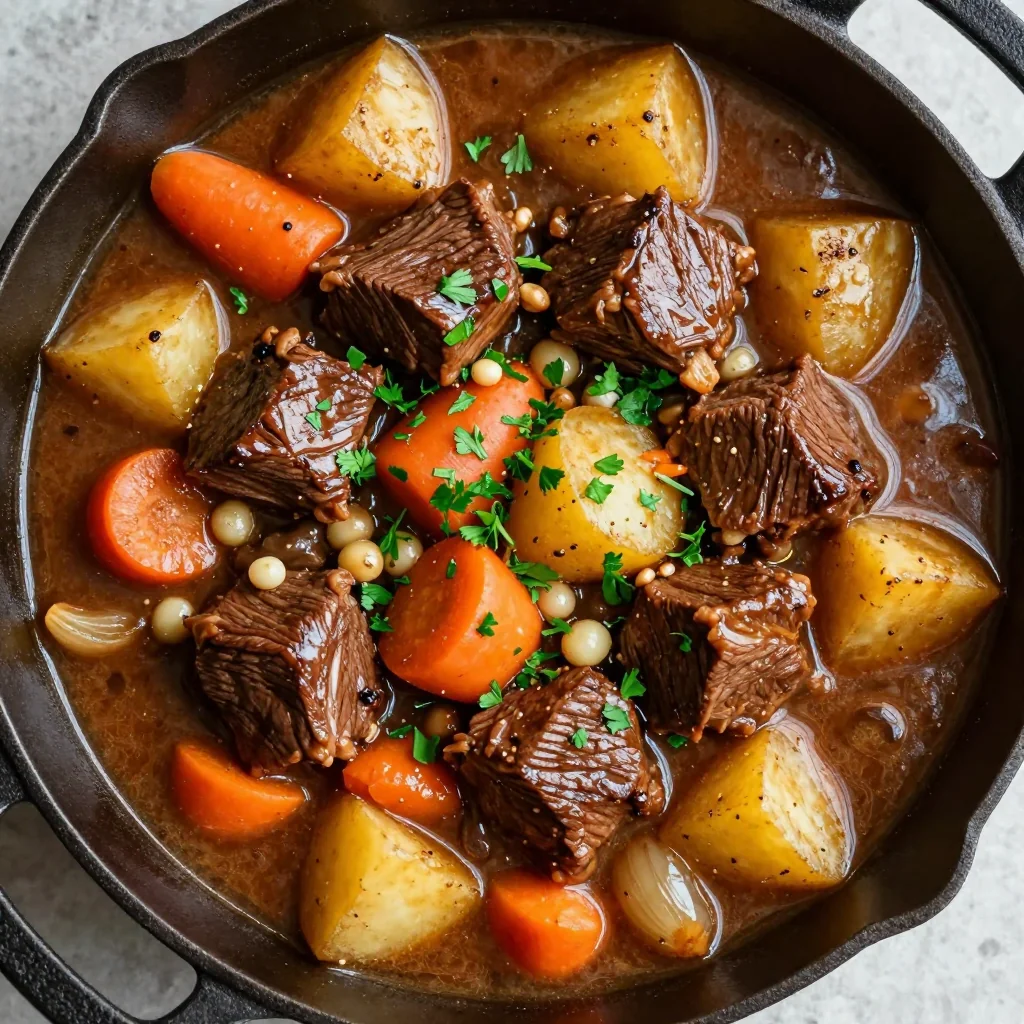
I remember the night I tried to impress my roommate with a “simple” potato salad. The plan was a quick mix of boiled potatoes, a splash of mayo, and a sprinkle of dill. Instead, I ended up with a soggy mess that tasted like a forgotten grocery list. That disaster lit a fire under me—if I could turn a humble potato into a showstopper, I’d never settle for bland again. Now, after months of tweaking, I’ve cracked the code to a Loaded Baked Potato Salad that’s hands down the best version you’ll ever make at home.
Picture yourself pulling a tray of golden, buttery potatoes from the oven, steam curling like a cloud of culinary promise. The aroma is a warm hug, the sight of the crispy edges that shatter like thin ice as you slice them. As you toss them in a bowl, the crunch gives way to a velvety texture that coats each bite, and the first spoonful delivers a burst of savory, cheesy goodness that lingers. Every forkful feels like a mini celebration—salted, peppered, and kissed with a creamy sauce that feels both indulgent and comforting. I dare you to taste this and not go back for seconds.
What makes this version stand out? It’s the marriage of simple ingredients with a bold technique: baking the potatoes first. Baking caramelizes the outer layer, creating a crust that resists the dressing and adds a delightful crunch. The use of smoked paprika and garlic powder infuses a depth that you’d expect from a gourmet dish, while the mix of sour cream and mayo gives it a silky, tangy finish. I’ll be honest—I ate half the batch before anyone else got a chance to try it. Most recipes get this completely wrong by mixing raw potatoes or over‑dressing; here’s what actually works. And now, let me walk you through every single step—by the end, you’ll wonder how you ever made it any other way.
The secret sauce is not just in the ingredients but in the method. The potatoes are roasted until the exterior is crisp and the interior is cloud‑soft, a contrast that keeps the salad from turning soggy. The dressing is a quick blend of sour cream, mayonnaise, and seasonings that coats the potatoes like velvet, yet it stays light enough to let the potato flavor shine. The addition of bacon and cheddar creates a savory, umami punch that satisfies the craving for comfort food. And the final flourish of green onions and chives gives a fresh, bright finish that cuts through the richness. Picture the sizzling sound as the potatoes hit the pan—absolute perfection. Ready for the game‑changer?
What Makes This Version Stand Out
- Flavor Depth: The blend of smoked paprika, garlic powder, and a touch of smoked salt elevates the simple potato to a complex, savory experience.
- Texture Contrast: Roasted potatoes provide a crisp exterior, while the creamy dressing keeps the interior moist and fluffy.
- Ingredient Quality: Using fresh, high‑quality cheddar and bacon makes the dish feel premium without a fancy price tag.
- Ease of Prep: The method requires minimal active cooking time—most of the work happens while the potatoes roast.
- Make‑Ahead Friendly: The salad can be assembled up to 24 hours ahead, making it a perfect potluck or dinner party staple.
- Kid‑Friendly: The familiar flavors of cheese and bacon keep even the pickiest eaters satisfied.
- Versatility: Swap in different cheeses or add a splash of hot sauce for a spicy kick.
- Visual Appeal: The golden crust, creamy swirls, and vibrant herbs make it Instagram‑worthy.
Alright, let’s break down exactly what goes into this masterpiece…
Inside the Ingredient List
The Flavor Base
The foundation of this salad is the potatoes themselves. Choosing russet potatoes gives a fluffy interior that soaks up the dressing. If you prefer a firmer bite, try Yukon Golds—they hold their shape better after roasting. Skipping the potatoes entirely will leave you with a bland dish; they’re the heart of the flavor profile.
The Texture Crew
Bacon and cheddar are the texture stars. Crispy bacon adds a satisfying crunch and a smoky undertone, while sharp cheddar provides a rich, creamy bite. If you’re dairy‑free, substitute a plant‑based cheddar or a sprinkle of nutritional yeast for a cheesy aroma. The difference between fresh and pre‑shredded cheese is subtle but worth noting—fresh melts better and doesn’t dry out.
The Unexpected Star
Sour cream is the unsung hero that balances the richness of mayo and cheese. It adds a tang that cuts through the fat, creating a harmonious flavor. If you’re allergic, Greek yogurt works as a cleaner, protein‑rich alternative. Remember, the ratio matters; too much sour cream will swamp the potatoes, too little will leave the salad dry.
The Final Flourish
Fresh herbs—green onions and chives—provide a bright, green contrast that lifts the dish. They also add a subtle oniony flavor that complements the bacon and cheese. If you’re craving a bit of heat, a dash of hot sauce or cayenne pepper will give it a spicy kick. Skipping the herbs results in a flatter taste profile; they’re essential for that fresh finish.
Everything's prepped? Good. Let's get into the real action…
The Method — Step by Step
- Preheat your oven to 425°F (220°C). While the oven warms, wash the russet potatoes thoroughly to remove any dirt. Pat them dry with a clean towel. The high temperature ensures a crisp exterior. If you’re in a rush, skip the preheat and use a convection setting for a slightly faster roast.
- Season the potatoes. Drizzle them with olive oil, then sprinkle salt, pepper, smoked paprika, and garlic powder. Toss to coat evenly; the spices will cling to the skin. Place the potatoes on a baking sheet lined with parchment paper. Make sure they’re spaced out so the air circulates.
-
Roast until tender. Bake for 45 minutes, flipping halfway through. The potatoes are done when a fork slides in with minimal resistance. The skin should be golden and slightly crisp. This step caramelizes the natural sugars, giving depth to the flavor. Kitchen Hack: For a smokier taste, finish the potatoes under the broiler for 2 minutes.
- Cook the bacon. While the potatoes roast, heat a skillet over medium heat. Add bacon slices and cook until crisp, about 6-8 minutes. Drain on paper towels and crumble once cooled. The bacon fat will be used later to flavor the dressing. If you want a leaner version, use turkey bacon or skip entirely.
- Blend the dressing. In a bowl, combine sour cream, mayonnaise, a splash of the reserved bacon fat, fresh chives, and a pinch of salt. Whisk until smooth. Taste and adjust seasoning—more salt if needed. This dressing should be creamy yet slightly tangy. It’s the glue that holds the salad together.
- Slice the potatoes. Let the roasted potatoes cool for 5 minutes. Slice them lengthwise, then cut into bite‑sized cubes. The warm cubes will absorb the dressing beautifully. If you’re short on time, you can leave them in halves; just be sure to coat well.
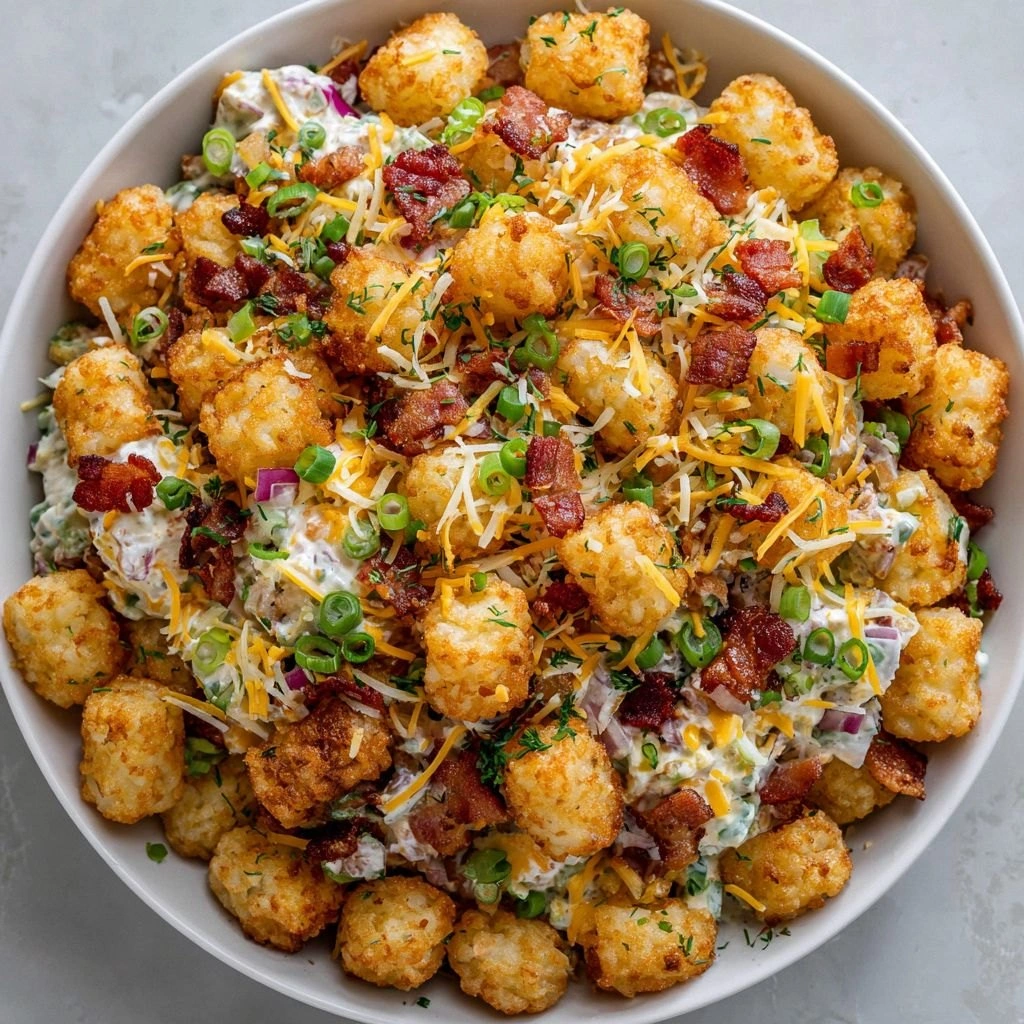
- Combine everything. In a large bowl, gently fold the potato cubes, bacon crumbles, shredded cheddar, and the dressing. Mix until every piece is coated. The cheese should melt slightly into the warm potatoes, creating pockets of gooey delight. Keep the bowl covered until you’re ready to serve.
-
Finish with fresh herbs. Sprinkle chopped green onions and additional chives over the top. Toss lightly. The fresh herbs add a bright, green contrast that cuts through the richness. Watch Out: Don’t overmix; the potatoes can break apart, losing their fluffy texture.
- Serve immediately. Present the salad in a shallow bowl or a platter. The contrast of the warm potatoes against the cool dressing creates a sensory delight. If you prefer a chilled version, let it sit at room temperature for 15 minutes before serving. This dish is best enjoyed fresh, but it holds its quality for a few hours.
That's it—you did it. But hold on, I've got a few more tricks that'll take this to another level…
Insider Tricks for Flawless Results
The Temperature Rule Nobody Follows
Many people bake potatoes at 375°F, but 425°F is the sweet spot for a crisp skin. The higher heat caramelizes the sugars faster, giving that satisfying crunch. If you lower the temperature, the potatoes may steam instead of roast, resulting in a mushy interior. I once baked at 350°F and the salad was a disappointment—no crunch, no flavor. Stick to 425°F for best results.
Why Your Nose Knows Best
The aroma of roasted potatoes is a powerful indicator of readiness. When you smell the caramelized scent, the potatoes are almost perfect. If they still smell like raw starch, give them another 5 minutes. Over‑roasting will dry them out, so trust your nose over the clock. A friend once left the potatoes in too long, and the salad tasted like burnt toast. Keep a close eye on that smell.
The 5-Minute Rest That Changes Everything
After roasting, let the potatoes rest for exactly 5 minutes before slicing. This rest allows the steam to redistribute, keeping the interior fluffy. Skipping this step causes the potatoes to release moisture immediately, making the salad soggy. I’ve seen people slice right out of the oven and end up with a mushy mess. Give them that brief pause, and the texture will be perfect.
The Bacon Fat Trick
Don’t discard the bacon fat; it’s a flavor goldmine. Use it to sauté the onions or to drizzle over the finished salad for extra richness. If you’re watching calories, reserve just a tablespoon; the rest can be discarded. A friend tried using all the bacon fat and the salad became greasy—balance is key. A small splash can elevate the entire dish.
The Chive Swap
If you’re out of chives, fresh dill or parsley works well. Dill adds a subtle citrus note that pairs beautifully with cheddar, while parsley offers a clean, grassy flavor. Swapping herbs can change the profile entirely, so choose based on your mood. I once swapped chives for cilantro, and the salad turned into a Mexican‑inspired dish. Experiment, but keep the fresh herb as the finishing touch.
Creative Twists and Variations
This recipe is a playground. Here are some of my favorite ways to switch things up:
Spicy Jalapeño Kick
Add diced jalapeños and a splash of lime juice for a fiery, zesty twist. The heat balances the richness of the cheese, while the lime adds brightness. This variation is a hit at summer barbecues. I love it with a side of corn on the cob.
Mediterranean Medley
Swap cheddar for feta and add diced cucumber, Kalamata olives, and a drizzle of olive oil. The salty feta and cool cucumber create a refreshing contrast. This version is perfect for a Mediterranean lunch. Serve it with a side of hummus.
Breakfast Bonanza
Add crumbled breakfast sausage and a dash of hot sauce. Top with a sunny‑side‑up egg for a hearty brunch. The bacon and sausage add depth, while the egg provides protein. This variation is a game‑changer for lazy weekend mornings.
Vegan Victory
Use a plant‑based cheddar and a dairy‑free mayo. Replace bacon with smoked tempeh for a savory, smoky flavor. The vegan version retains the creamy texture and satisfies the comfort craving. I’ve had rave reviews from my vegan friends.
Cheese Lover’s Dream
Layer the salad with multiple cheeses—cheddar, mozzarella, and blue cheese. The combination creates a complex, gooey experience that’s hard to resist. This version is ideal for a cheese‑centric gathering. The blue cheese adds a sharp bite that cuts through the richness.
Storing and Bringing It Back to Life
Fridge Storage
Store the salad in an airtight container in the refrigerator for up to 3 days. The dressing may separate slightly, so give it a quick stir before serving. Avoid storing it in a sealed plastic bag, as the potatoes can release moisture and become soggy. When you’re ready to eat, let it sit at room temperature for 10 minutes to soften the dressing.
Freezer Friendly
For longer storage, place the salad in a freezer‑safe container and freeze for up to 2 weeks. Thaw overnight in the refrigerator before reheating. The texture may change slightly, but the flavors remain robust. I’ve frozen portions for a week‑long meal prep and they tasted as good as fresh.
Best Reheating Method
Reheat the salad in a skillet over low heat, stirring occasionally, until warmed through. Add a splash of water or broth to keep it moist; this steam will revive the potatoes. Avoid microwaving, as it can make the dressing rubbery. Once heated, give it a final stir and sprinkle fresh herbs before serving.