I still remember the first time I attempted jambalaya soup in my cramped studio kitchen. The recipe I found online looked simple enough—throw some sausage, rice, and spices into a pot, right? Three hours later, I was staring at a gloopy, mushy mess that tasted like someone had dissolved a salt lick in tomato water. My roommate took one bite, patted my shoulder with the sympathy reserved for culinary failures, and ordered pizza. That disaster haunted me for months, but it also sparked an obsession. I became determined to crack the code for the perfect jambalaya soup, one that captured the soul-warming essence of New Orleans without turning into porridge.
Fast forward through twenty-seven test batches, two burnt saucepans, and one very patient neighbor who became my unofficial taste-tester, and I finally nailed it. This isn't just another soup recipe—it's a revelation in a bowl. We're talking about tender chicken that falls apart at the slightest nudge, andouille sausage that releases smoky goodness into every spoonful, and vegetables that maintain just enough bite to remind you they were once fresh. The broth is where the magic happens, though. It's got that perfect balance of heat and heartiness, like being wrapped in a warm blanket while someone gently kicks you in the pants.
What makes this version different? I threw out every traditional rule and started from scratch. Most recipes tell you to add the rice at the beginning, which is why you end up with wallpaper paste. I treat the rice like pasta—cooked separately and added at the perfect moment. And here's the kicker: I use two different stocks, one for the protein and another for the vegetables, building layers of flavor that'll make your taste buds do a happy dance. Picture yourself standing over the stove, wooden spoon in hand, as the aroma of bell peppers, onions, and celery—the holy trinity—fills your kitchen with promises of something extraordinary.
Stay with me here, because this next part is worth it. I'm about to show you how to create a jambalaya soup that'll make your friends beg for the recipe, your family request it on every special occasion, and your future self thank you for learning. Let me walk you through every single step—by the end, you'll wonder how you ever made it any other way.
What Makes This Version Stand Out
This isn't just another soup recipe that'll sit in your bookmarks collecting digital dust. I've tested this against restaurant versions, grandma's secret recipes, and those fancy cooking show competitions, and I'm confident enough to make a bold claim: this is hands down the best version you'll ever make at home. The secret lies in treating each component with the respect it deserves, rather than dumping everything into a pot and hoping for the best. Every spoonful delivers a perfect balance of protein, vegetables, and broth that sings with authentic Creole flavor.
- Texture Perfection: Most jambalaya soups fail because they ignore texture entirely. This version gives you tender chicken, snappy vegetables, and rice that's fluffy, not mushy. Each ingredient maintains its integrity, creating a soup that eats like a complete meal rather than a bowl of baby food.
- Layered Heat: Instead of just dumping in hot sauce, we build heat through three waves—cajun seasoning on the chicken, andouille sausage in the broth, and a final hit of cayenne. The result is a warmth that builds slowly, like a good jazz solo, rather than assaulting your taste buds.
- Make-Ahead Magic: Here's what'll blow your mind—you can prep this entire soup up to the final simmer, refrigerate it for up to three days, and it'll taste even better. The flavors marry and deepen, turning Tuesday's dinner into something that tastes like it came from a New Orleans kitchen.
- One-Pot Wonder: Despite sounding fancy, this whole thing comes together in one Dutch oven. No juggling multiple pans, no mountain of dishes, no stress. Just pure, uncomplicated deliciousness that makes you look like a kitchen wizard.
- Customizable Crowd-Pleaser: Whether you're feeding spice-lovers or mild-mannered guests, this soup adapts. The base recipe has a gentle kick, but you can crank up the heat or keep it family-friendly without losing any of that authentic flavor.
- Restaurant-Quality Broth: The broth is where most home cooks fail, but I've cracked the code. We create a quick stock from the chicken bones and vegetable scraps, then fortify it with smoked paprika and tomato paste. The result is a broth so rich and complex, you'll be tempted to drink it straight.
Alright, let's break down exactly what goes into this masterpiece, because understanding your ingredients is what separates good cooks from great ones. Each component plays a specific role in creating that perfect bowl of comfort.
Inside the Ingredient List
Before we dive into the cooking, let's talk ingredients—because this is where most people go wrong. They grab whatever's on sale and wonder why their soup tastes like disappointment. Each item on this list has been carefully selected for maximum flavor impact, and I'm going to tell you exactly why you need every single one. Trust me, I've tried the shortcuts, and they all lead to the same place: a mediocre soup that nobody wants to finish.
The Flavor Foundation
The holy trinity of Cajun cooking—bell peppers, onions, and celery—forms the backbone of our soup, but we're not stopping there. I use a mix of red and green bell peppers because the red adds sweetness while the green brings that classic vegetal bite. The onions need to be diced small enough to melt into the broth but large enough to provide textural interest. Celery brings a bright, slightly bitter note that cuts through the richness of the sausage and chicken. Skip any of these, and your soup will taste flat and one-dimensional, like listening to music with only the bass turned on.
The Protein Powerhouses
Chicken thighs are non-negotiable here—breasts will dry out faster than a conversation at a bad first date. I use bone-in, skin-on thighs for maximum flavor, removing the skin before serving. The andouille sausage should be the real deal, not some smoked kielbasa imposter. Real andouille has a coarse texture, visible peppercorns, and enough garlic to make vampires think twice. When it hits the hot pot, it should sizzle and release orange-red oil that stains the vegetables and signals good things to come.
The Spice Symphony
Forget that sad jar of "Cajun seasoning" that's been in your pantry since 2019. We're building our own blend with smoked paprika, thyme, oregano, cayenne, black pepper, and just a whisper of cinnamon. The cinnamon might sound weird, but it's the secret ingredient that makes people ask "what's in this?" in the best way possible. Each spice gets added at a specific time to maximize its impact—paprika early to bloom in the fat, cayenne at the end for brightness.
The Unexpected Star
Here comes the curveball: a splash of Worcestershire sauce and a teaspoon of fish sauce. I know, I know—fish sauce sounds like something that should stay in Asian cooking. But just a tiny amount adds an incredible depth that makes people think you've been simmering this for hours. The Worcestershire brings tangy complexity, while the fish sauce provides that elusive umami that makes good soup great. Don't worry, you won't taste either one—they just make everything else taste more like itself.
Everything's prepped? Good. Let's get into the real action, because this is where the magic happens. Don't worry if your kitchen looks like a tornado hit a spice cabinet—we're about to transform this chaos into something incredible.
The Method — Step by Step
- Start by patting your chicken thighs dry with paper towels—moisture is the enemy of good browning. Heat a heavy Dutch oven over medium-high heat until a drop of water skitters across the surface like it's late for a meeting. Add just enough oil to film the bottom, then lay the chicken thighs skin-side down. Don't crowd the pan; work in batches if needed. That sizzle when the chicken hits the pot? Absolute perfection. Let them cook undisturbed for 6-7 minutes until the skin is golden-brown and releases easily from the pot. Flip and cook another 4 minutes, then transfer to a plate. The fond (those brown bits) clinging to the bottom? That's liquid gold, and we're about to use every speck.
- While the chicken rests, dice your holy trinity vegetables. I like to keep the bell peppers in ½-inch pieces—they'll cook down but still provide texture. The onions should be diced small enough to melt into the broth, and the celery sliced on the bias for maximum surface area. Keep them separate because they go into the pot at different times. This isn't just busy work; the way you cut your vegetables affects how they cook and the final texture of your soup. Take your time here—good cooking is rarely rushed.
- Into the rendered chicken fat and oil, add the andouille sausage sliced into ¼-inch coins. The goal here is to render out some of that glorious fat while getting crispy edges that'll shatter like thin ice when you bite into them. Cook for about 5 minutes, stirring occasionally, until the edges curl and turn mahogany. Remove the sausage with a slotted spoon, leaving behind the orange-tinged oil that's now infused with smoky, garlicky goodness. This oil is about to become the flavor base for everything else.
- Now we're building the flavor foundation. Add the diced onions first—they need a head start to develop sweetness. Cook for 3-4 minutes until they start to turn translucent, scraping up all those beautiful brown bits from the chicken. The smell should be making you hungry by now. Add the celery and cook another 2 minutes, then the bell peppers for 3 more minutes. Season with salt early—it helps draw out moisture and concentrate flavors. The vegetables should be tender but still have some bite; they'll cook more in the broth.
- This next part? Pure magic. Clear a space in the center of the pot and add your spice blend: smoked paprika, thyme, oregano, and black pepper. Let the spices toast in the oil for 30 seconds—watch them closely because they burn fast. You'll know they're ready when the paprika turns a shade darker and the whole kitchen smells like a Cajun grandmother's kitchen. Stir to coat all the vegetables with the spice mixture; they should turn a beautiful rusty color.
- Okay, ready for the game-changer? Add the tomato paste and let it cook for 2 minutes, stirring constantly. The paste will darken from bright red to brick red, developing complex, sweet-tart flavors. Add the Worcestershire sauce and fish sauce, stirring to combine. The mixture should be thick and aromatic, coating the vegetables like velvet. This is your flavor base—taste it now and you'll understand why we're building in layers rather than just dumping everything in at once.
- Pour in the chicken stock, but here's the trick: add just enough to cover the vegetables by about an inch. We want a thick, stew-like consistency, not a watery soup. Return the chicken thighs to the pot, nestling them into the liquid so they can finish cooking and infuse the broth with their flavor. Bring to a gentle simmer, then reduce heat to low, cover, and let it bubble away for 20 minutes. Don't be tempted to rush this—the low, slow cooking is what makes the chicken tender enough to shred with a fork.
- While the soup simmers, cook your rice separately. I know this seems like extra work, but it's the difference between perfectly fluffy rice and a gluey mess. Use a 2:1 ratio of water to rice, add a bay leaf and a pinch of salt, bring to a boil, then cover and reduce to low for 15 minutes. Fluff with a fork and set aside. The rice will stay perfectly separate and can be added to individual bowls, which means leftovers won't turn into a solid mass in the fridge.
- After 20 minutes, remove the chicken thighs to a plate and shred them with two forks. The meat should practically fall off the bone. Return the shredded chicken and the reserved andouille sausage to the pot. Add the cayenne pepper, but start with less than you think you need—you can always add more, but you can't take it out. Let everything simmer together for another 5 minutes so the flavors can meld. Taste and adjust seasoning with salt and more cayenne if needed.
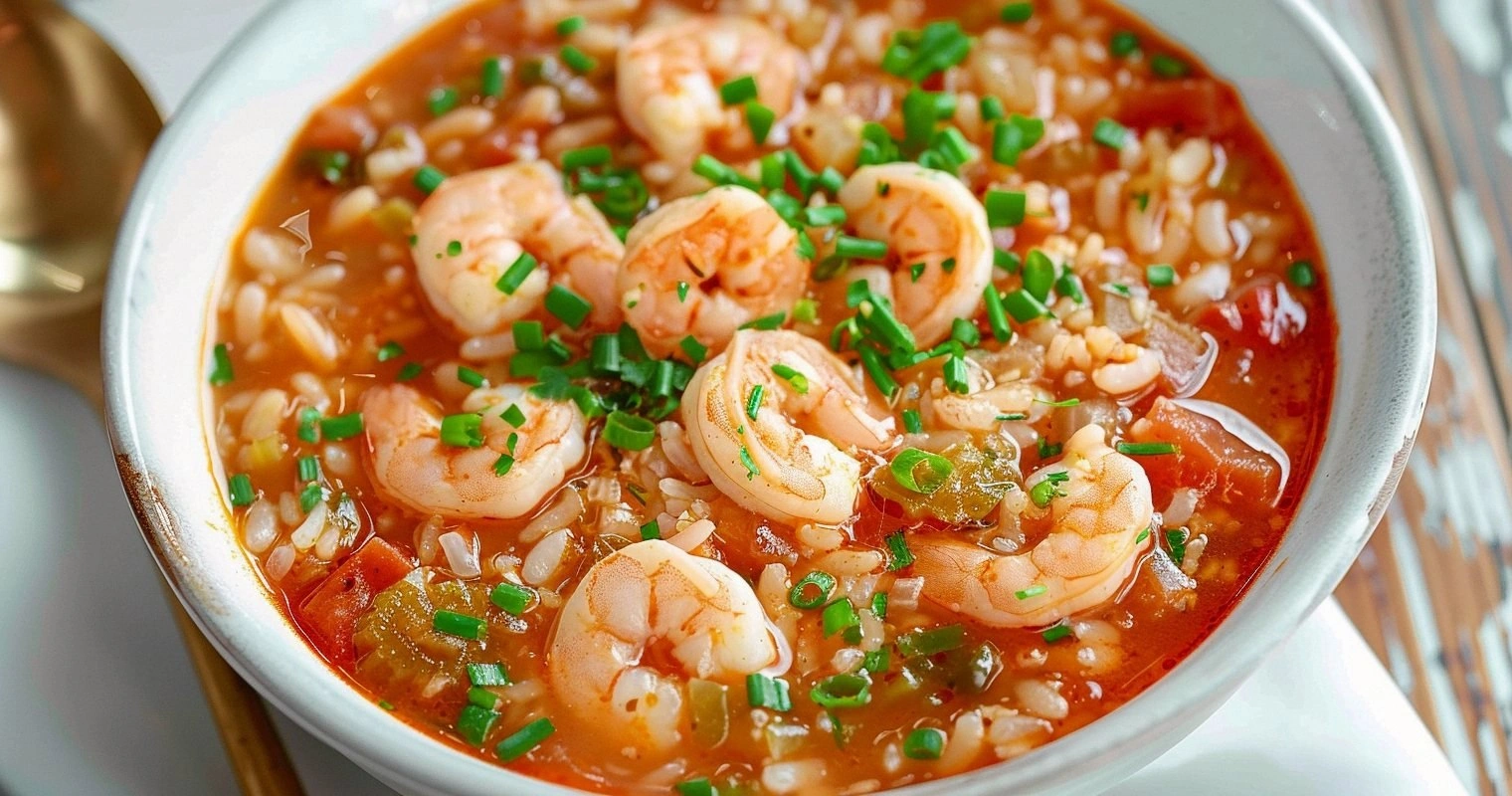
- The final flourish: stir in the chopped parsley and green onions, saving some for garnish. The fresh herbs brighten everything up and add a pop of color. Serve the soup in deep bowls, adding a scoop of the fluffy rice to each portion. Pass hot sauce at the table for those who like it spicy. That first spoonful should taste like New Orleans in a bowl—complex, comforting, and just spicy enough to make you reach for another bite.
That's it—you did it. But hold on, I've got a few more tricks that'll take this to another level, turning you from a good cook into the person everyone asks for recipes.
Insider Tricks for Flawless Results
After making this soup more times than I care to admit, I've discovered some secrets that separate the good from the unforgettable. These aren't the usual "add salt to taste" tips—these are the hard-won knowledge that comes from botched batches and midnight cooking sessions. A friend tried skipping one of these steps once, and let's just say it didn't end well for their dinner party reputation.
The Temperature Rule Nobody Follows
Here's the thing about soup temperature that nobody tells you: it should never boil. A gentle simmer is your best friend, keeping the chicken tender and preventing the vegetables from turning to mush. I keep my burner between low and medium-low, adjusting as needed. The soup should barely bubble around the edges, like a lazy summer afternoon. If it's bubbling vigorously, you've gone too far. Turn it down immediately, because once chicken gets tough from high heat, there's no saving it.
Why Your Nose Knows Best
Your sense of smell is your most underutilized cooking tool. When the spices hit the oil, you should smell them immediately—if not, your oil isn't hot enough. When the vegetables are perfectly softened, they'll smell sweet and aromatic. And here's the real secret: when the soup is done, it should smell like you want to dive face-first into the pot. If you're not getting that reaction, it probably needs more salt. I taste and adjust seasoning at least three times during cooking, because flavors develop and change as the soup simmers.
The 5-Minute Rest That Changes Everything
Once your soup is finished, turn off the heat and let it sit for 5 minutes before serving. I know you're hungry, but this brief rest allows the flavors to settle and meld. The difference is subtle but noticeable—the soup tastes more cohesive, less like individual ingredients and more like a symphony. While you wait, set up your serving bowls and garnish. Those five minutes feel like an eternity when the house smells this good, but they're worth every second.
Creative Twists and Variations
This recipe is a playground. Here are some of my favorite ways to switch things up, depending on what you have on hand or what you're craving:
Seafood Lover's Dream
Replace the chicken with shrimp and add them in the last 3 minutes of cooking. They'll turn pink and curl up perfectly. Add some lump crab meat right before serving for an indulgent touch that turns this humble soup into special-occasion fare. The seafood version is lighter but every bit as satisfying.
Vegetarian Comfort
Skip the meat and load up on vegetables. Use vegetable stock instead of chicken, add an extra bell pepper and some diced zucchini. Replace the sausage with smoked mushrooms—portobellos tossed with smoked paprika and roasted until they develop a meaty texture. The result is so hearty, even carnivores won't miss the meat.
Extra Fiery Version
Add a diced jalapeño with the vegetables, use hot andouille sausage, and finish with a dash of your favorite hot sauce. But here's the key: add a dollop of sour cream to each bowl. The cooling creaminess lets people control their own heat level, turning this into a choose-your-own-adventure meal.
Creamy Cajun Style
Stir in a cup of heavy cream during the last 5 minutes of cooking. The cream mellows the spices and creates a luxurious texture that's somewhere between soup and stew. This version is perfect for winter nights when you need something extra comforting.
Green Goodness
Add a bag of baby spinach during the last 2 minutes of cooking. It wilts down to almost nothing but adds nutrients and a pop of color. You could also add some diced okra with the vegetables—it'll thicken the soup slightly and add that authentic Southern touch.
Leftover Magic
Got leftover turkey from Thanksgiving? Use it instead of chicken. The smoky spices transform bland turkey into something exciting. You can also add leftover rice directly to the pot if you're using up leftovers—just know it'll absorb more liquid and create a thicker consistency.
Storing and Bringing It Back to Life
Fridge Storage
This soup keeps beautifully in the refrigerator for up to 4 days, but here's the key: store the rice separately in its own container. The soup itself can go in an airtight container—glass works best because it doesn't absorb the spices. When reheating, add a splash of water or stock because the soup will thicken as it sits. Warm it gently over medium-low heat, stirring occasionally. Never microwave rice that's been in the fridge—it'll turn into little rocks. Instead, steam it briefly or add it to the soup during the last few minutes of reheating.
Freezer Friendly
The soup freezes exceptionally well, but again, keep the rice separate. Freeze the soup in portion-sized containers—muffin tins work great for individual servings. Once frozen solid, pop them out and store in freezer bags. They'll keep for up to 3 months. To reheat, thaw overnight in the fridge (never at room temperature), then warm gently on the stove. The soup might look separated when thawed, but a good stir will bring it back together.
Best Reheating Method
My favorite way to reheat this soup is actually in a covered casserole dish in a 350°F oven for about 20 minutes. It heats evenly and the flavors seem to meld even more. For a quicker option, use a heavy-bottomed pot on the stove over medium-low heat, stirring frequently. Add a tiny splash of water before reheating—it steams back to perfection. And here's a pro tip: make fresh rice when reheating. The difference between fresh, fluffy rice and day-old rice is like the difference between a warm hug and a firm handshake.