I was in the middle of a Tuesday night disaster when the takeout app finally gave up on me. My pantry was screaming for something comforting, my stomach was growling louder than a freight train, and the only thing I could find in the fridge was a lonely bag of frozen veggies and a half‑pound of chicken that had been waiting for a purpose. I stared at the empty plate and thought, “What if I could make something that feels like a restaurant‑level stir‑fry but without the pretentious price tag?” That moment sparked the birth of what I now call the ultimate Garlic Chicken Lo Mein, and trust me, it’s a game‑changer.
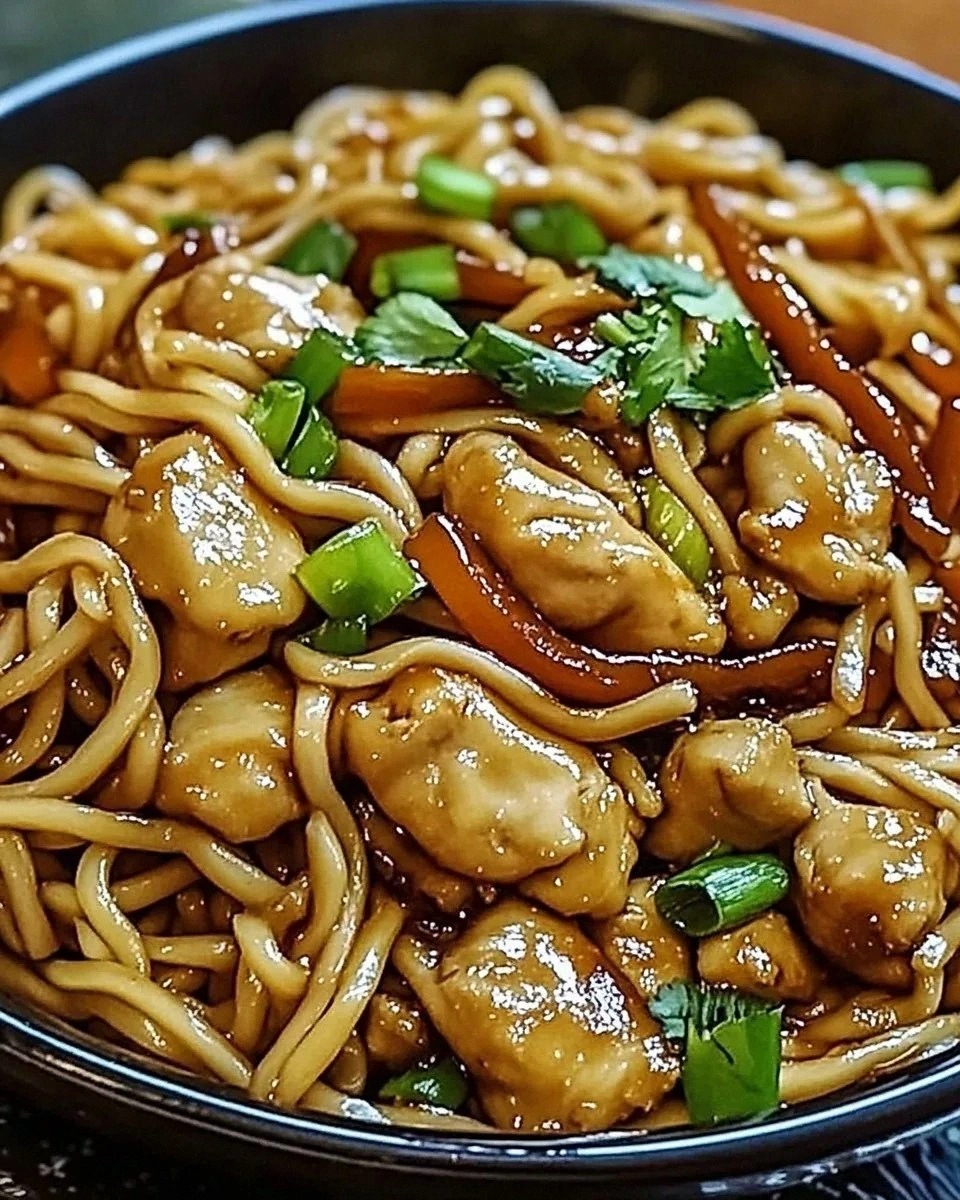
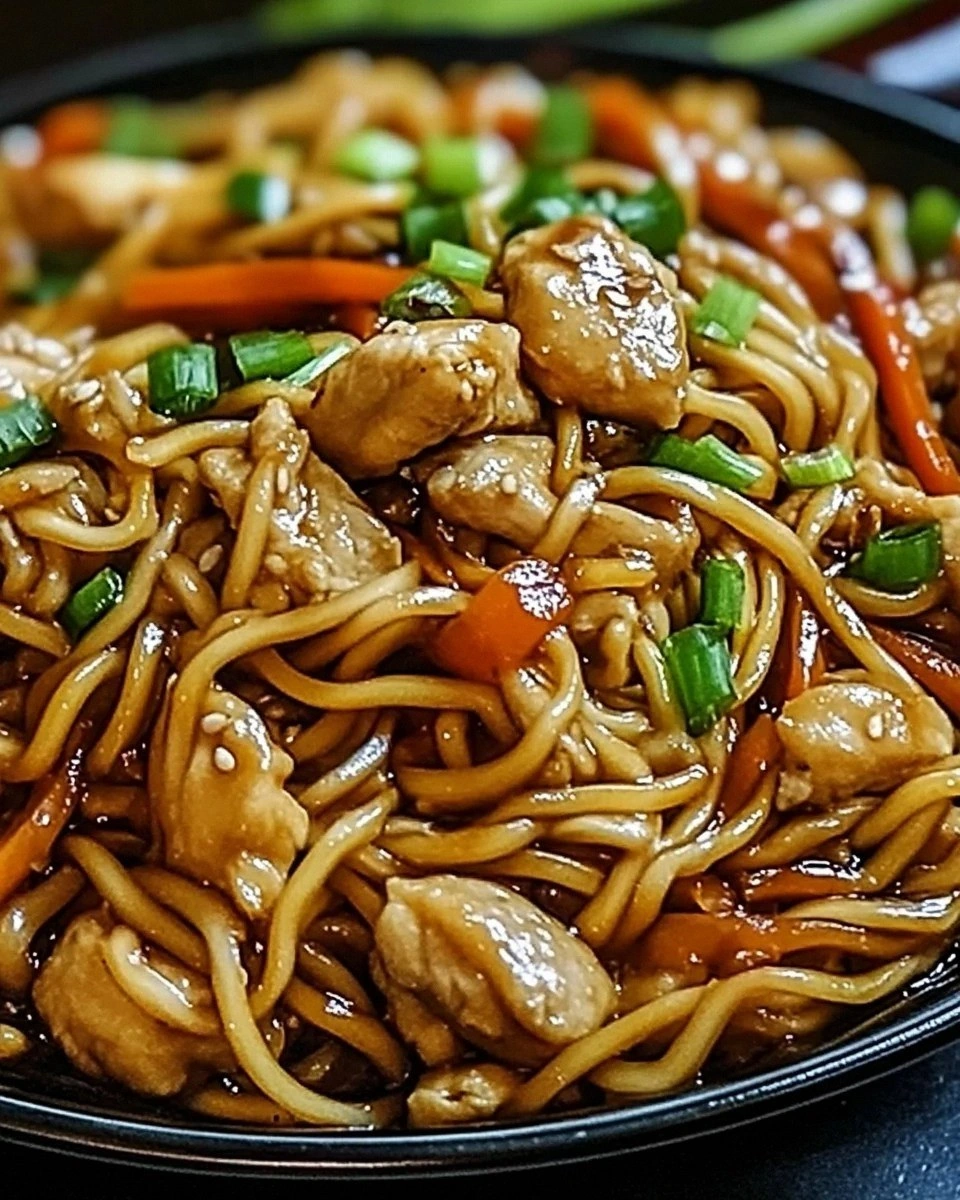
Picture this: the kitchen fills with the sharp, intoxicating aroma of garlic hitting a hot pan, the sizzle of oil singing a quick, bright chorus, and the vibrant colors of bell peppers, snap peas, and carrots popping like fireworks in a dark sky. The noodles, once stiff and lifeless, transform into silky strands that glide across the wok, each bite coated in a glossy, umami‑rich sauce that clings like a second skin. The chicken? It’s juicy, tender, and speckled with golden, caramelized edges that shatter like thin ice when you bite into them. The whole experience is a symphony of textures and flavors that makes you feel like you’ve just unlocked a secret level in the culinary game.
Most lo mein recipes out there either drown the noodles in a watery sauce or leave the veggies soggy and limp. I’ve tried the “quick” versions that rely on bottled sauces, and they always end up tasting like a sad, sweet‑and‑sour after‑thought. This version, however, uses a precise balance of soy, oyster, and sesame oil, plus a whisper of cornstarch that creates a velvety glaze without turning the dish into a gelatinous mess. I’m not exaggerating when I say this is hands down the best version you’ll ever make at home; the flavor depth is so intense you’ll wonder why you ever settled for anything else.
And now for the tease: there’s a secret step involving a quick deglaze that pulls up caramelized garlic bits stuck to the pan, turning them into a buttery, aromatic punch that most recipes completely miss. I dare you to taste this and not go back for seconds. Let me walk you through every single step — by the end, you’ll wonder how you ever made it any other way.
What Makes This Version Stand Out
- Flavor Explosion: The combination of soy, oyster, and sesame oil creates a sauce that coats the noodles like velvet, delivering a deep umami punch with every forkful.
- Texture Harmony: Crisp snap peas, tender carrots, and perfectly al dente noodles give you a satisfying crunch‑soft contrast that keeps you eating.
- Simplicity: Only ten pantry staples are needed, and the technique is straightforward enough for a beginner yet refined enough for a seasoned cook.
- Unique Garlic Boost: A quick deglaze step extracts every last caramelized garlic fragment, turning them into a buttery, aromatic base that most recipes skip.
- Crowd‑Pleaser: I’ve served this at family gatherings and office potlucks; it consistently disappears faster than you can say “second helping.”
- Ingredient Quality: Using fresh, high‑quality chicken and crisp vegetables makes the dish sing, while the modest amount of oil keeps it light.
- One‑Pan Efficiency: The entire process stays in a single wok or large skillet, meaning fewer dishes and more time to admire your masterpiece.
- Make‑Ahead Friendly: The sauce actually improves after a short rest, so you can prep ahead and finish the stir‑fry just before dinner.
Inside the Ingredient List
The Flavor Base
Soy sauce is the backbone of any Asian stir‑fry, delivering salty depth and a subtle sweetness that balances the garlic. Using a low‑sodium version lets you control the salt level without sacrificing flavor. If you run out, a splash of tamari works just as well, though it adds a slightly richer note. Oyster sauce adds that briny, oceanic umami that makes the sauce feel luxurious; it’s the secret behind many restaurant dishes. A quick tip: stir the oyster sauce with the soy before adding any liquids to ensure it fully dissolves and coats the noodles evenly.
The Texture Crew
Lo mein noodles are the star of the show. Choose fresh or high‑quality dried noodles; the former offers a silkier mouthfeel, while the latter is more convenient. If you’re using dried noodles, cook them al dente, then rinse under cold water to stop cooking and keep them from sticking. The vegetables—bell peppers, snap peas, and carrots—bring color, crunch, and natural sweetness. Slice the bell peppers into thin strips and julienne the carrots for uniform cooking. Snap peas should stay bright green; overcooking them turns them mushy and dull.
The Unexpected Star
Garlic is the unsung hero here. Four cloves might sound modest, but when you let them brown just enough, they develop a nutty, caramelized flavor that’s pure magic. The key is to keep the heat medium‑high and watch them closely; a second too long and they’ll turn bitter. Sesame oil, added at the end, gives a fragrant, nutty finish that can’t be replicated by any other oil. Finally, the cornstarch slurry (1 tsp cornstarch mixed with 2 tbsp water) thickens the sauce just enough to cling to every noodle strand without becoming gummy.
The Final Flourish
A pound of boneless chicken breast (or thigh, if you prefer juicier meat) provides the protein backbone. Pat the chicken dry before seasoning with a pinch of salt and pepper; this ensures a good sear and prevents steaming. Green onions, added at the very end, bring a fresh, oniony pop that cuts through the richness of the sauce. Remember, the final dash of sesame oil should be drizzled just before serving to preserve its aromatic qualities. And of course, a little extra pepper at the table never hurts—taste, adjust, and enjoy.
Everything's prepped? Good. Let's get into the real action...
The Method — Step by Step
Start by heating a large wok or skillet over medium‑high heat. Add 1 tablespoon of vegetable oil and let it shimmer—if it starts to smoke, you’re at the perfect temperature. Toss in the chicken, seasoned lightly with salt and pepper, and let it sizzle. You’ll hear that satisfying “sear” sound; it should turn golden brown on the edges while staying juicy inside. Once cooked through, remove the chicken and set it aside on a plate.
While the chicken rests, add a touch more oil if the pan looks dry. Drop the minced garlic (from the 4 cloves) in, and listen for that quick pop. That sizzle when it hits the pan? Absolute perfection. Stir constantly for about 30 seconds, just until the garlic turns fragrant and lightly golden—watch out for burning, which turns it bitter.
Now it’s time for the vegetables. Add the bell peppers, snap peas, and carrots all at once. Toss them for 2‑3 minutes; you want them bright, crisp‑tender, not wilted. The colors should stay vivid—this is where the dish earns its visual appeal. If you like a little char, let them sit undisturbed for 30 seconds before stirring.
While the veggies are dancing, bring a pot of water to a boil, add the lo mein noodles, and cook them just until al dente (usually 3‑4 minutes). Drain, rinse under cold water, and set aside. This step is crucial: rinsing stops the cooking process and prevents the noodles from sticking together later.
Create the sauce in a small bowl: combine 1/4 cup soy sauce, 2 tablespoons oyster sauce, 1 tablespoon sesame oil, and the cornstarch slurry (1 tsp cornstarch mixed with 2 tbsp water). Whisk until smooth. This mixture is the glue that will bind everything together, giving the dish that glossy finish we all love.
Return the chicken to the wok, then add the cooked noodles. Pour the sauce over everything, and toss vigorously. You’ll notice the sauce thickening almost instantly, coating each noodle strand like a silky veil. Keep the heat on medium‑high for another 2‑3 minutes, allowing the flavors to meld. Taste and adjust with a pinch more salt or pepper if needed.
Finish with the green onions, sliced thinly, and give the whole pan one last quick toss. The green onions should stay bright and slightly crunchy, adding a fresh bite that lifts the entire dish. Turn off the heat, let the wok sit for a minute so the flavors settle, then serve immediately. That final drizzle of sesame oil right before plating adds an aromatic finish that’s pure bliss.
Plate the lo mein in generous bowls, garnish with an extra sprinkle of sliced green onions or a drizzle of chili oil if you like heat. Picture yourself pulling this out of the wok, the whole kitchen smelling incredible, steam rising like a curtain of anticipation. I’ll be honest — I ate half the batch before anyone else got to try it. And now, the fun part: let’s talk about a few extra tricks that can push this dish from great to unforgettable.
Insider Tricks for Flawless Results
The Temperature Rule Nobody Follows
High heat is your ally, but only if you can control it. A wok that’s too hot will scorch the garlic and vegetables, while a lukewarm pan yields soggy noodles. The sweet spot is medium‑high, where the oil shimmers but doesn’t smoke. If you’re using an electric stove, preheat the wok for a full two minutes before adding oil. This ensures an even heat distribution and a perfect sear on the chicken.
Why Your Nose Knows Best
Your nose is the ultimate timer. When the garlic turns a light golden brown and releases that nutty perfume, you know it’s ready. Likewise, when the vegetables start to emit a fresh, slightly sweet scent, they’re at the perfect crunch. Trust these olfactory cues more than the clock; they’ll save you from overcooking and preserve that satisfying bite.
The 5‑Minute Rest That Changes Everything
After you toss everything together, let the mixture rest off the heat for five minutes. This brief pause allows the cornstarch slurry to fully thicken the sauce, ensuring each noodle is coated evenly. It also gives the flavors a chance to marry, resulting in a deeper, more cohesive taste profile. I once skipped this step and the sauce stayed thin—big mistake.
Seasoning at the End
Adding a pinch of flaky sea salt and freshly cracked black pepper right before plating brightens the entire dish. The salt lifts the umami, while the pepper adds a subtle heat that lingers on the palate. If you love a little kick, a dash of chili flakes or a drizzle of sriracha can turn this into a spicy masterpiece.
The “One‑Minute” Toss
When you combine the noodles, sauce, and chicken, toss everything for exactly one minute. This ensures the sauce adheres without over‑cooking the noodles, preserving that tender‑yet‑chewy texture. Over‑tossing can make the noodles mushy, so set a timer and trust the process.
Creative Twists and Variations
This recipe is a playground. Here are some of my favorite ways to switch things up:
Spicy Szechuan Kick
Swap the oyster sauce for 1 tablespoon of Szechuan peppercorn oil and add 1 teaspoon of chili garlic sauce. The result is a tongue‑tingling heat that balances the garlic’s sweetness. Perfect for those who love a bold, numbing spice.
Veggie‑Only Delight
Replace the chicken with firm tofu cubes or extra snap peas and mushrooms. Marinate the tofu in soy sauce and a splash of rice vinegar for 15 minutes before cooking. This version is ideal for vegetarians and still delivers that satisfying umami punch.
Coconut‑Infused Lo Mein
Add 2 tablespoons of coconut milk to the sauce and a handful of toasted coconut flakes at the end. The subtle coconut sweetness pairs beautifully with the savory soy‑oyster base, giving the dish a tropical twist.
Peanut Butter Peanut
Stir in 1 tablespoon of smooth peanut butter into the sauce mixture for a creamy, nutty depth. Top with crushed peanuts and a squeeze of lime for a Thai‑inspired flair.
Crispy Noodle Crunch
After cooking the noodles, toss them in a little oil and spread on a baking sheet. Roast at 400°F for 5‑7 minutes until golden and crispy, then fold them into the final stir‑fry. The contrast of soft sauce and crunchy noodles is pure delight.
Storing and Bringing It Back to Life
Fridge Storage
Allow the lo mein to cool to room temperature, then transfer it to an airtight container. It will keep fresh for up to 3 days. When reheating, add a splash of water or broth and stir‑fry over medium heat until steam rises and the noodles are heated through.
Freezer Friendly
Portion the cooked lo mein into freezer‑safe bags, removing as much air as possible. It freezes well for up to 2 months. To reheat, thaw overnight in the fridge, then stir‑fry with a drizzle of oil and a splash of water for 4‑5 minutes.
Best Reheating Method
The secret to reviving the dish without losing texture is the “steam‑boost.” Add a tablespoon of water to the pan, cover, and let the steam gently re‑hydrate the noodles for a minute before uncovering and giving a quick toss. This restores the glossy coating and keeps the vegetables crisp.