I still remember the first time I attempted shrimp scampi. It was a disaster of epic proportions — the shrimp were rubbery, the sauce tasted like oily garlic water, and the linguine clumped together like a sad pasta sculpture. My dinner guests politely picked at their plates while I mentally planned a post-dinner pizza order. That culinary catastrophe haunted me for months, driving me to obsessively test every scampi recipe I could find until I cracked the code to the perfect version. What I discovered will change your dinner game forever.
Picture this: tender shrimp that snap with sweetness when you bite into them, coated in a silky sauce that clings to every strand of perfectly al dente linguine. The aroma of fresh herbs fills your kitchen while garlic sizzles in golden butter, creating that mouthwatering scent that makes neighbors wonder what delicious secrets you're hiding. This isn't just another scampi recipe — this is the result of twenty-three different attempts, three destroyed skillets, and one very patient fishmonger who now knows me by name.
The secret lies in something most recipes completely ignore: the timing of when you add each ingredient, and the quality of your herbs. Most versions throw everything together at once, creating a muddy flavor profile where you can't distinguish the sweet shrimp from the pungent garlic. But when you layer the ingredients properly, something magical happens. The fresh basil blooms, the parsley brightens, and the chives add this subtle onion note that makes you close your eyes involuntarily with each bite.
Let me walk you through every single step — by the end, you'll wonder how you ever made it any other way. Trust me, I've been the person who ruined this dish, and I've become the person who gets asked to bring it to every potluck. The transformation is about to happen in your kitchen too.
What Makes This Version Stand Out
This garden herb shrimp scampi linguine isn't just another recipe floating around the internet — it's a game-changer that will ruin restaurant versions for you forever. After testing countless variations and suffering through enough mediocre scampi to fill a seafood restaurant, I've discovered the elements that separate the forgettable from the phenomenal. Each component has been meticulously refined to create harmony on your plate.
- Herb Timing: Most recipes toss herbs in at the end, but adding fresh basil and parsley at two different stages creates layers of flavor that will blow your mind. The first addition infuses the oil, while the second maintains that bright, garden-fresh taste.
- Shrimp Perfection: The cooking method here guarantees tender, never rubbery shrimp. The secret? A quick brine and cooking them just until they turn pink, then finishing them in the sauce to prevent overcooking.
- Sauce Consistency: We're creating an emulsion that coats each noodle like velvet, not that watery mess you usually get. The technique involves swirling cold butter into the hot sauce at the very end.
- Pasta Water Magic: Using starchy pasta water at precisely the right moment creates a sauce that clings instead of sliding off. Most people dump it down the drain, but it's liquid gold for perfect consistency.
- Garlic Layering: Two types of garlic preparation — minced for base flavor and thinly sliced for aromatic punch — create depth that single-method recipes miss entirely.
- Fresh Herb Selection: The combination of basil, parsley, and chives isn't random. Each herb contributes different flavor compounds that complement the sweet shrimp and rich butter sauce.
Inside the Ingredient List
Every ingredient in this recipe pulls its weight, and understanding why each one matters will make you a better cook overall. The quality of your shrimp, the freshness of your herbs, and even the type of pasta you choose will dramatically affect the final result. Don't worry — I'll guide you through what to look for, what you can substitute, and what happens if you try to cut corners.
The Flavor Base
The foundation of any great scampi starts with exceptional garlic, and I'm not talking about that pre-minced stuff in a jar. Fresh garlic cloves, when handled properly, release allicin compounds that create that signature pungent aroma we all crave. You'll need eight to ten large cloves — yes, that much — because half of it goes in early to infuse the oil, and the other half gets added later for that bright, sharp garlic punch.
Quality olive oil matters more than you'd think here. Since we're not cooking at super high heat, a good extra-virgin olive oil will add fruity, peppery notes that complement the seafood beautifully. Look for oil in dark bottles with a harvest date within the last year. The cheap stuff in clear plastic bottles has likely oxidized and will give your sauce off-flavors that even the best herbs can't hide.
Butter brings the richness that makes restaurant scampi so addictive, but here's the twist — we're using two types. European-style butter with higher fat content goes in first for cooking, while cold unsalted butter gets swirled in at the end to create that glossy, restaurant-quality finish. If you've ever wondered why your sauce looks greasy instead of luxurious, it's because you weren't using this cold butter technique.
The Texture Crew
Shrimp selection can make or break this dish, and I'm about to save you from the rubbery seafood nightmare that's haunted my past. Look for wild-caught shrimp, preferably from the Gulf or Atlantic, in the 16-20 count range. These medium-large shrimp have the perfect meat-to-sweetness ratio and won't disappear into the pasta like smaller varieties. Avoid anything labeled "previously frozen" if possible — the ice crystals rupture the cell walls, leading to that unpleasant mushy texture.
Linguine is the traditional choice for good reason — its flat surface provides more area for the sauce to cling to compared to round spaghetti. But here's what really matters: cooking it in well-salted water until just shy of al dente. The pasta will finish cooking in the sauce, absorbing all those incredible flavors while releasing starch that naturally thickens the sauce. Don't even think about adding oil to your pasta water — that just prevents the sauce from adhering properly.
The white wine you choose should be something you'd actually drink, because the alcohol cooks off but the flavor concentrates. A crisp Sauvignon Blanc or Pinot Grigio works beautifully, adding bright acidity that cuts through the rich butter sauce. Skip the "cooking wine" from the grocery store — it's loaded with salt and preservatives that will muddy your beautiful sauce.
The Unexpected Star
Lemon zest might seem like a minor player, but it's actually the secret weapon that makes the herbs pop and prevents the dish from feeling heavy. The essential oils in the zest contain limonene, which creates a chemical reaction with the garlic and herbs that brightens the entire dish. Use a microplane to get just the yellow outer layer — the white pith underneath is bitter and will ruin everything.
Red pepper flakes aren't just for heat — they add a subtle complexity that makes people ask "what's that amazing flavor?" Start with just a pinch; you can always add more, but you can't take it out once it's in there. The capsaicin also enhances your perception of the other flavors, making the sweet shrimp taste sweeter and the fresh herbs more vibrant.
The Final Flourish
Fresh herbs make all the difference, and I mean fresh enough that they're still holding morning dew. Basil brings sweet, slightly minty notes that pair beautifully with seafood, while flat-leaf parsley adds a clean, slightly bitter balance. Chives contribute a gentle onion flavor without the harshness of their larger relatives. If your herbs look wilted or have black spots, skip them — dried herbs won't work here, and sub-par fresh ones will just disappoint you.
Parmesan cheese might seem controversial in a seafood pasta, but hear me out — we're using just a whisper of freshly grated Parmigiano-Reggiano at the very end. The aged cheese adds umami depth without overwhelming the delicate shrimp. The key is using high-quality cheese and grating it yourself. Pre-grated cheese from a container contains cellulose that prevents it from melting smoothly into your sauce.
Everything's prepped? Good. Let's get into the real action...
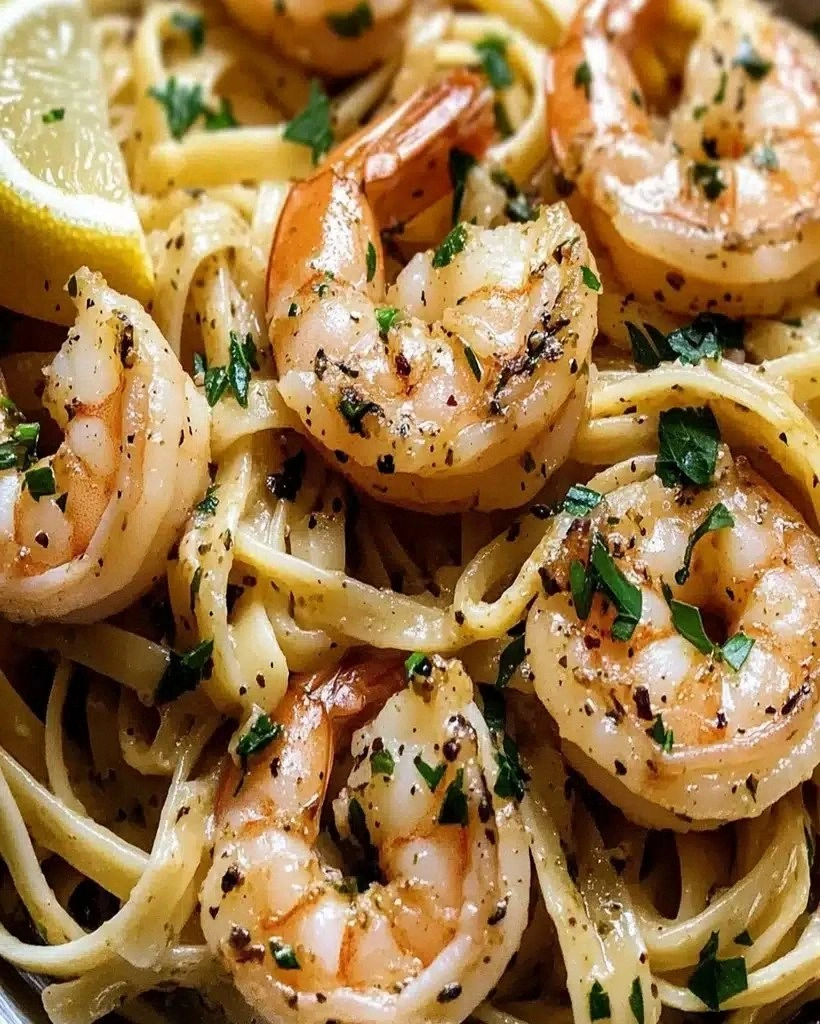
The Method — Step by Step
Now we're getting to the good stuff — the actual cooking process that will transform these ingredients into something that makes grown adults close their eyes while chewing. Pay attention here, because timing is everything. I've ruined more batches by getting cocky and walking away from the stove than I care to admit.
- Start by bringing a large pot of water to a rolling boil — and I mean rolling, not that weak simmer most people settle for. Salt it generously; your pasta water should taste like the sea. This is your only chance to season the pasta itself. While waiting for the boil, prep your shrimp by removing shells (leave tails on for presentation) and deveining if needed. Rinse them under cold water, then pat completely dry with paper towels — moisture is the enemy of good searing.
- Season the shrimp with 1 teaspoon of salt, 1/2 teaspoon of black pepper, and a pinch of sugar. Yes, sugar — it helps with caramelization and balances the natural sweetness of the seafood. Let them sit while you mince 5 cloves of garlic and thinly slice 3 more. The different cuts will release their flavors at different rates, creating complexity that single-cut garlic can't achieve.
- Heat a large skillet over medium-high heat until it's screaming hot — a drop of water should dance across the surface. Add 2 tablespoons of olive oil and 2 tablespoons of butter. When the butter stops foaming and just starts to turn golden, carefully lay the shrimp in a single layer. Don't crowd them or they'll steam instead of sear. Cook for exactly 90 seconds without moving them — this creates that beautiful caramelization.
- Flip each shrimp individually using tongs — they should release easily when ready. Cook for another 60-90 seconds until just pink and curled into a loose C shape. If they curl into a tight O, they're overcooked. Transfer to a plate immediately; they'll finish cooking later in the sauce. Those browned bits in the pan? That's pure flavor gold.
- Reduce heat to medium and add the remaining butter to the same pan — don't you dare wash it out. When melted, add the minced garlic and red pepper flakes. Stir constantly for 30 seconds until fragrant but not browned. Burnt garlic turns bitter and there's no fixing it. Listen for that gentle sizzle; if it's popping aggressively, your heat is too high.
- Pour in the white wine and let it bubble away, scraping up all those beautiful browned bits with a wooden spoon. Reduce by half — this concentrates the flavor and burns off the alcohol. Your kitchen should smell like a seaside trattoria in Italy right now. Add half the chopped herbs (save the prettiest ones for garnish) and let them steep in the hot wine for a minute.
- By now your pasta water should be ready. Add the linguine and cook for 2 minutes less than package directions — it will finish in the sauce. Reserve 2 cups of pasta water before draining; you'll need this starchy liquid gold. The pasta should be pliable but still have a firm core when you bite into it.
- Add the partially cooked pasta directly to your skillet with the wine mixture. Toss to coat, then add pasta water a splash at a time, stirring constantly. The sauce should start clinging to the pasta, creating a glossy coating. This is where the magic happens — the starch from the pasta water emulsifies with the butter and oil, creating that restaurant-quality silkiness.
- Return the shrimp to the pan along with any accumulated juices. Add the lemon zest, remaining butter (cold, cut into pieces), and half the remaining herbs. Toss everything together for 1-2 minutes until the shrimp are heated through and the sauce reaches the perfect consistency. It should coat the back of a spoon but still be pourable.
- Remove from heat immediately and add the Parmesan cheese, tossing vigorously to melt it into the sauce. Taste and adjust seasoning — you might need more salt, pepper, or a squeeze of lemon juice. The sauce should be glossy and coat every strand of pasta. If it's too thick, add a splash more pasta water; too thin, let it cook for another 30 seconds.
That's it — you did it. But hold on, I've got a few more tricks that'll take this to another level...
Insider Tricks for Flawless Results
After making this dish more times than I can count, I've discovered some game-changing techniques that separate amateur results from professional-quality perfection. These aren't just nice suggestions — they're the difference between a dish that makes people politely say "this is good" and one that has them fighting over the last strand of pasta.
The Temperature Rule Nobody Follows
Here's the thing about temperature that most home cooks ignore: your pan needs to be hot enough to create that beautiful fond (those browned bits) but not so hot that your garlic burns. The sweet spot is when butter just stops foaming and starts to turn the palest gold. If you tilt the pan and see the butter has turned completely brown, start over — burnt butter will ruin everything with its bitter, nutty taste that overwhelms the delicate herbs and shrimp.
But here's the kicker — once you add the wine, you want to maintain a gentle simmer, not a rolling boil. Too hot and you'll break the emulsion you're trying to create, ending up with an oily mess instead of that glossy, cohesive sauce. A friend tried rushing this step once and ended up with pasta that looked like it was dressed in separated vinaigrette. Don't be that friend.
Why Your Nose Knows Best
Your sense of smell is actually more reliable than a timer for many steps in this recipe. When the garlic hits the pan, you should smell it within 15 seconds — if you don't, your pan isn't hot enough. When the wine reduces properly, the sharp alcohol smell should disappear and be replaced by concentrated, fruity aromas. If you still smell raw alcohol, keep reducing. This is where most people mess up — they get impatient and add the pasta too early, ending up with a sauce that tastes like harsh wine.
The herbs follow the same rule — when you add the first batch to the hot wine, you should immediately smell their essential oils releasing. If you don't, your herbs aren't fresh enough, and no amount of cooking will fix that. Trust your nose; it's been honed by thousands of years of evolution to detect exactly what we're looking for here.
The 5-Minute Rest That Changes Everything
This might be the hardest instruction to follow, but it's crucial: after you finish cooking, let the pasta rest off heat for exactly 5 minutes before serving. I know, I know — everything smells amazing and you're starving. But this rest allows the sauce to thicken slightly and the flavors to meld together in ways that simply don't happen while everything's still screaming hot.
During this rest, magic happens: the starch continues to absorb liquid, the cheese fully incorporates, and the herbs infuse their flavors throughout the dish. Cover the pan loosely with a lid — don't seal it completely or the pasta will overcook from residual heat. Use this time to set the table, open wine, or just bask in the admiration of anyone lucky enough to be sharing your meal.
The Herb Storage Secret
Here's something that will save you money and elevate your cooking: store fresh herbs like flowers. Trim the stems and place them in a jar with an inch of water, cover loosely with a plastic bag, and refrigerate. Basil actually prefers room temperature on your counter. This keeps herbs fresh for up to two weeks instead of wilting into sad, blackened messes after three days.
But here's the real pro tip: save your herb stems. Those parsley and basil stems you usually toss? They're packed with flavor. Chop them finely and add them with the first batch of garlic — they infuse the oil with herbaceous flavor without the cost of using all your pretty leaves. The stems are actually more pungent than the leaves, giving you more bang for your buck.
The Shrimp Size Sweet Spot
After testing everything from tiny salad shrimp to massive U-10s, I've found that 16-20 count shrimp hit the perfect balance. They're substantial enough to feel luxurious but not so large that they overpower each bite. Plus, they cook evenly — those monster shrimp often end up overcooked on the outside and raw in the center.
Size matters for another reason: the cooking time. Smaller shrimp cook too quickly and can go from raw to rubber in the time it takes to check Instagram. Larger shrimp give you a bigger window of perfect doneness. When properly cooked, they should form a gentle C shape, not a tight O. If they curl into a circle, congratulations — you've made expensive seafood jerky.
Creative Twists and Variations
This recipe is a playground. Here are some of my favorite ways to switch things up:
The Spicy Mediterranean
Add a diced Calabrian chili along with the garlic, and swap the white wine for rosé. The result is a beautiful pink sauce with gentle heat that builds slowly rather than punching you in the face. Finish with fresh oregano instead of basil for a more rustic, herbaceous profile. This version pairs beautifully with a crisp Greek Assyrtiko wine.
The Coastal California
Replace half the butter with California olive oil, add diced avocado at the very end, and finish with lime zest instead of lemon. The avocado adds a creamy richness that complements the seafood, while the lime gives it a brighter, more tropical feel. Toss in some halved cherry tomatoes for color and sweetness.
The French Riviera
Add a splash of pastis (or Pernod) along with the wine for a sophisticated anise note that makes the shrimp taste sweeter. Use tarragon instead of basil, and finish with a handful of diced tomatoes for color. This version tastes like summer in Provence and pairs wonderfully with a crisp Sancerre.
The Asian Fusion
Replace the white wine with sake, add a tablespoon of white miso paste, and finish with sesame oil instead of olive oil. Use cilantro and Thai basil instead of Italian herbs, and add a splash of fish sauce for umami depth. The miso creates an incredibly savory sauce that makes the shrimp taste like they were kissed by the ocean itself.
The Low-Carb Luxury
Replace the linguine with spiralized zucchini or hearts of palm pasta. The key is to barely warm the vegetable noodles — just toss them in the hot sauce for 30 seconds before serving. You'll get all the flavors of the original with a fraction of the carbs. Add extra shrimp to make it more substantial.
The Winter Warmer
Add a cup of heavy cream along with the wine for a richer, more comforting version perfect for cold nights. Include some sautéed mushrooms for earthiness, and finish with rosemary instead of basil. This version is like a warm hug in pasta form and pairs beautifully with a buttery Chardonnay.
Storing and Bringing It Back to Life
Fridge Storage
Store leftovers in an airtight container in the refrigerator for up to 3 days, though honestly, I've never seen it last that long in my house. The key is to cool it quickly — spread it in a shallow container rather than packing it while still hot. This prevents bacterial growth and keeps the shrimp from overcooking in residual heat. Don't store it with extra Parmesan on top — add that fresh when reheating.
Freezer Friendly
While I don't generally recommend freezing cream-based sauces, this recipe actually freezes better than most because of the emulsion technique we use. Freeze in portion-sized containers for up to 2 months. The texture will change slightly — the sauce might separate a bit — but a quick whisk while reheating brings it back together. Freeze the shrimp and pasta together; trying to freeze them separately just creates more work for minimal benefit.
Best Reheating Method
The stovetop is your friend here. Add a splash of water or white wine to a pan, then add your leftovers over medium-low heat. Stir gently and frequently, adding more liquid as needed. The microwave works in a pinch, but heat at 50% power in 30-second bursts, stirring between each burst. Never reheat shrimp more than once — they become rubbery and sad. Add fresh herbs and Parmesan after reheating for the best flavor.