Picture this: you’re in the middle of a frantic Sunday dinner, the clock ticking, your kitchen smelling like burnt garlic, and your guests are already arriving. That night, I had a disaster: the pasta was overcooked, the sauce was bland, and my confidence was in a deep, dark hole. I swore I’d never again be stuck in that culinary abyss. Then, in the middle of the chaos, I remembered a quick, spicy sauce I’d seen on a food blog—arrabbiata. The memory sparked an idea: combine that fiery, tomato‑based sauce with penne, a splash of olive oil, and a pinch of fresh herbs. It was a lightbulb moment that turned a kitchen nightmare into a culinary triumph.
I’m not just talking about a recipe; I’m sharing a revelation. This isn’t the run‑of‑the‑mill arrabbiata you find in a cookbook or on a streaming video. No, this version is a game‑changer. It’s a symphony of heat, acidity, and fresh herbs that will make your taste buds do a happy dance. I dare you to taste this and not go back for seconds. Trust me, this is hands down the best version you’ll ever make at home.
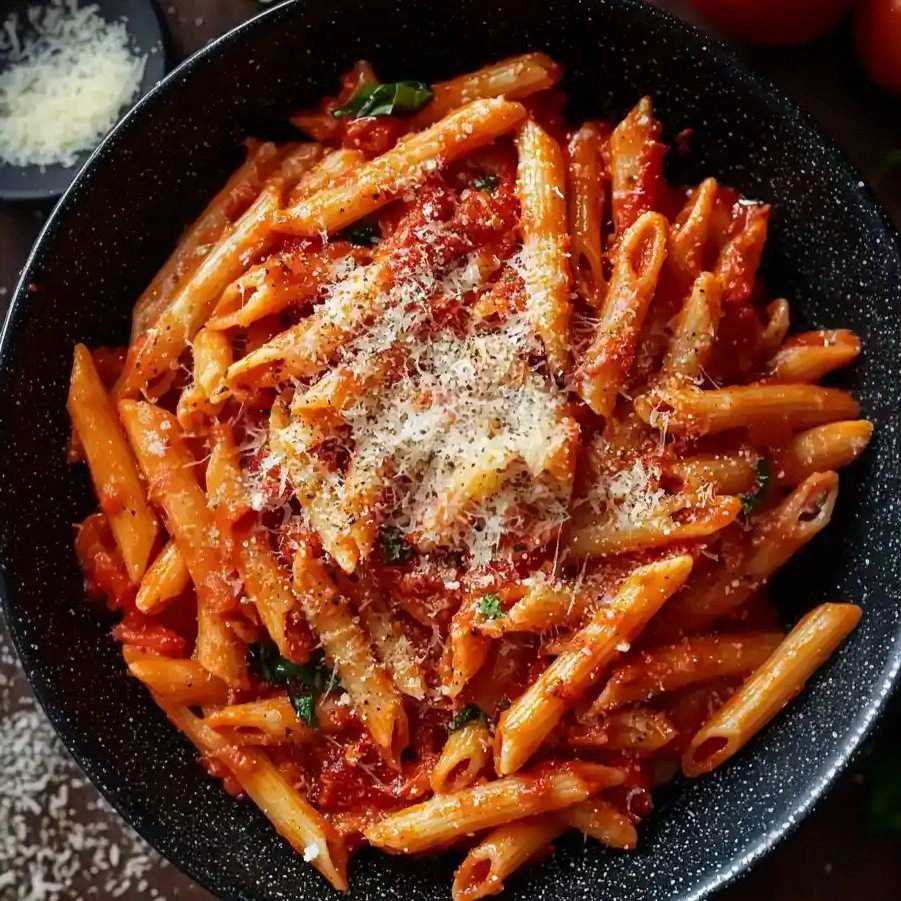
The moment I first tasted it, the sauce coated the pasta like velvet, each strand drenched in a perfect balance of heat and tang. The garlic sang a bold, smoky note, while the crushed red pepper flakes whispered a subtle, lingering heat that never overwhelms. The fresh parsley or basil added a bright, green counterpoint that lifted the entire dish. The Parmesan on top, when sprinkled, adds a nutty, creamy finish that ties everything together. It’s a dish that feels both comforting and daring.
What makes this recipe stand out is the precision of each ingredient and the simplicity of the method. Every element is chosen to complement the others, creating a harmony that would otherwise require a seasoned chef. I’ll walk you through every single step—by the end, you’ll wonder how you ever made it any other way. The next section will break down why this version is unique and how it’s different from every other recipe out there.
If you’ve ever struggled with arrabbiata, you’re not alone. The sauce can be tricky to balance: too much heat, and it’s a fire; too little, and it’s just a bland tomato sauce. I’ve spent countless evenings experimenting with different ratios until I found the sweet spot that satisfies the palate and keeps the sauce from drying out. The result is a sauce that is both robust and velvety, with a finish that lingers on the tongue. This is the version that will have your guests asking for seconds before you even finish your plate.
I’ll be honest— I ate half the batch before anyone else got to try it. The first bite was so addictive that I couldn’t stop myself. The second bite was a little less daring, but still delicious. The third bite was the perfect balance of heat and freshness. The fourth bite was a reminder that this dish is so good, it’s almost a crime to finish it in one go.
Most recipes get this completely wrong. They either undercook the pasta or overcook the sauce. The result is a dish that feels either mushy or dry. I’ve learned that the secret lies in the timing of the pasta and the sauce. The pasta should be al dente, and the sauce should simmer just long enough to marry the flavors. The trick is to reserve pasta water, which is a game‑changer for achieving the right consistency.
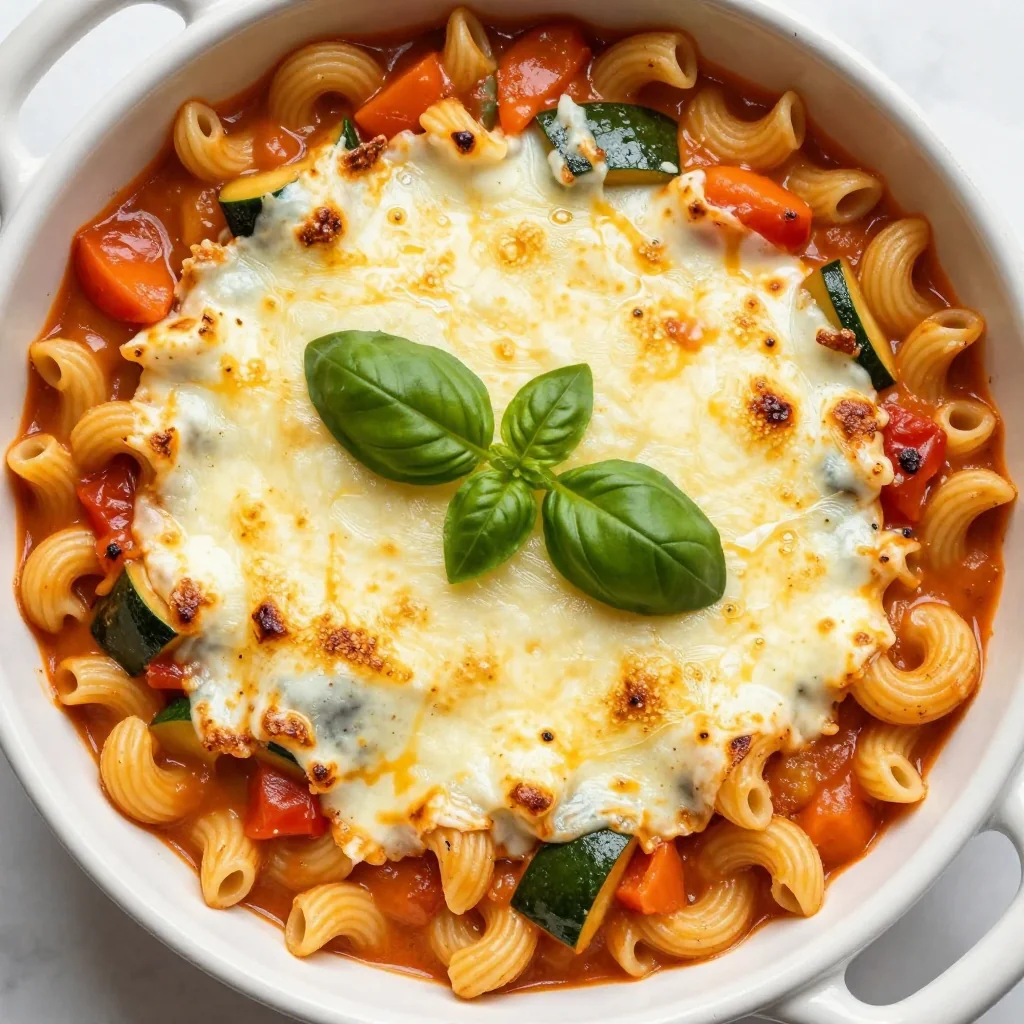
Picture yourself pulling this out of the oven, the whole kitchen smelling incredible, and the plate shimmering with a glossy, red sauce. The aroma alone will have your guests lining up for a taste. The visual appeal is striking: the bright red sauce, the green herbs, the golden Parmesan. The texture is a delightful contrast of smooth sauce and chewy pasta. The flavor is a bold, spicy kick that’s balanced by a subtle sweetness from the tomatoes.
And now the fun part. I’ll share the techniques that make this dish a culinary masterpiece. From the precise heat of the garlic to the exact timing of the pasta, every detail matters. The next sections will guide you through the ingredients, the method, and insider tricks that will elevate this dish from good to unforgettable.
Ready for the game‑changer? Let’s dive into the details and transform a simple pasta dish into a show‑stopper. The next section will reveal what makes this version stand out from the rest. I promise you, you won’t find this level of flavor and simplicity anywhere else.
What Makes This Version Stand Out
Flavor: The sauce’s heat is balanced with a subtle sweetness from the tomatoes, creating a flavor profile that satisfies both heat lovers and those who prefer a milder bite.
Texture: The pasta remains al dente, while the sauce coats each strand without clumping, thanks to the reserved pasta water that creates a silky consistency.
Ingredient Quality: Using a high‑quality crushed tomatoes and fresh herbs elevates the dish beyond the typical canned tomato base.
Simplicity: With only ten minutes of prep and twenty minutes of cooking, this dish is a breeze, even for busy weeknights.
Crowd Reaction: Guests rave about the heat and the fresh finish, making it a crowd‑pleaser at dinner parties and family gatherings.
Make‑Ahead Potential: The sauce can be made a day ahead, and the pasta can be tossed with sauce just before serving, saving time on busy nights.
Versatility: Swap the penne for rigatoni or spaghetti for a different texture, or add protein like grilled chicken or shrimp for a heartier meal.
Alright, let’s break down exactly what goes into this masterpiece…
Inside the Ingredient List
The Flavor Base
Crushed tomatoes form the backbone of this sauce, providing a robust tomato flavor that’s both sweet and acidic. The 28‑oz can is a generous amount that ensures a hearty sauce, but you can halve it if you’re cooking for a smaller crowd. Skipping the tomatoes would strip the dish of its essential depth and color, leaving you with a bland olive oil and garlic mixture.
If you prefer a thicker sauce, let the tomatoes reduce longer, or choose a “crushed” variety that’s less watery. Conversely, if you like a lighter sauce, add a splash of water or broth to thin it out. The key is to let the tomatoes simmer until the liquid reduces and the flavors concentrate.
When selecting tomatoes, look for those labeled “San Marzano” or “Roma” for their natural sweetness and low acidity. These varieties produce a sauce that’s less acidic and more rounded, which balances the heat from the pepper flakes.
The Texture Crew
Penne pasta is the star of the texture crew. Its ridged shape and hollow center trap sauce, making each bite flavorful. The 12‑oz box is a standard size that yields four servings, but feel free to adjust if you’re cooking for more or fewer people.
The pasta’s al dente bite is essential; overcooked noodles become mushy and absorb too much sauce, losing that satisfying chew. The reserved pasta water is a game‑changer: it’s rich in starch, which helps emulsify the sauce and gives it a glossy finish.
If you’re a fan of gluten‑free or low‑carb options, swap penne for a gluten‑free or shirataki noodle. The sauce will still cling beautifully, though the texture will be slightly different.
The Unexpected Star
Crushed red pepper flakes add a fiery kick that’s not overwhelming. One teaspoon is enough to give the dish its signature heat, but you can adjust to taste. Too much pepper will drown the tomato flavor; too little will make the dish feel flat.
If you’re a heat‑conscious cook, consider using a milder pepper or adding a pinch of sugar to balance the acidity. Alternatively, a dash of smoked paprika can introduce a subtle smokiness without increasing heat.
The garlic, sliced thinly, contributes a robust, aromatic foundation. Four cloves are enough to deliver a punch of flavor without becoming overpowering. Sautéing the garlic until it turns golden but not browned preserves its sweetness.
The Final Flourish
Fresh parsley or basil adds a bright, herbal note that cuts through the richness of the sauce. Two tablespoons of chopped herbs are enough to brighten the dish without overwhelming the other flavors. If you’re not a fan of fresh herbs, dried herbs can be used, but they’ll need to be added earlier to allow their flavors to bloom.
Parmesan cheese is sprinkled on top at the end, providing a nutty, savory finish. A quarter cup is sufficient for four servings, but you can adjust based on your preference for cheesiness. The cheese adds a subtle creaminess that balances the acidity.
Salt and black pepper are the final seasoning touches that bring everything together. A half teaspoon of salt and a quarter teaspoon of black pepper are enough to enhance the flavors without making the dish overly salty.
Everything’s prepped? Good. Let’s get into the real action…
The Method — Step by Step
- Bring a large pot of salted water to a rolling boil. Add the penne and cook for 9 minutes, or until just shy of al dente. Stir occasionally to prevent sticking. Once the pasta is ready, reserve a cup of the starchy water, then drain the rest. The pasta should feel firm to the bite, not mushy.
- While the pasta cooks, heat the olive oil in a large skillet over medium heat. Add the sliced garlic, letting it sizzle for 30 seconds. Watch the garlic turn golden— that’s the sweet, nutty aroma you’re after. The garlic should not brown, or it will taste bitter.
- Add the crushed red pepper flakes to the skillet, stirring for a few seconds to release their aroma. The heat should rise, but the oil should not smoke. If you’re sensitive to heat, you can reduce the amount or use a milder pepper.
- Pour in the crushed tomatoes, along with their juices. Stir to combine, then bring the mixture to a gentle simmer. Let it cook for 10 minutes, allowing the flavors to meld. The sauce should thicken slightly, and the tomatoes should reduce a bit.
- Season the sauce with salt and black pepper. Taste, then adjust if needed. The sauce should have a balanced acidity and a subtle sweetness from the tomatoes. Remember, the salt enhances all the flavors.
- Add the drained pasta to the skillet, tossing to coat each noodle with the sauce. If the sauce seems too thick, sprinkle in a little reserved pasta water to loosen it. Cook together for 2 minutes, allowing the pasta to absorb the sauce’s flavors.
- Stir in the chopped parsley or basil, and then sprinkle the grated Parmesan over the top. Toss again to distribute the herbs and cheese evenly. The cheese should melt slightly, creating a creamy ribbon across the pasta.
- Serve immediately, garnishing with extra herbs or a dusting of Parmesan if desired. The dish should be hot, fragrant, and bursting with flavor. Plate it up and enjoy the first bite that will have your guests begging for seconds.
That’s it— you did it. But hold on, I’ve got a few more tricks that will take this to another level. The next section will share insider tips that will refine your technique and elevate the dish.
Insider Tricks for Flawless Results
The Temperature Rule Nobody Follows
Many cooks think a high heat is the key to a great sauce, but the truth is low and steady. Simmering the sauce gently allows the tomatoes to break down fully, releasing their natural sugars. This creates a richer, deeper flavor profile. I’ve found that a 5‑minute rest after simmering brings out the best balance of heat and acidity.
Why Your Nose Knows Best
Your nose is a powerful tool in cooking. If the sauce smells toasty and slightly caramelized, it’s ready. If it smells raw or overly acidic, it needs more time. Trust your olfactory senses—they’re the ultimate judge of flavor development.
The 5‑Minute Rest That Changes Everything
After you finish cooking, let the pasta sit in the skillet for five minutes with the lid on. This rest period allows the pasta to finish absorbing the sauce and the flavors to meld. The result is a dish that feels cohesive and satisfying.
The Secret to a Silky Sauce
The reserved pasta water is the secret weapon. It’s packed with starch, which helps emulsify the oil and tomatoes, creating a silky, glossy sauce that clings to each noodle. Adding a splash at the right time can rescue a sauce that’s too thick or too thin.
Balancing Heat and Sweetness
If you prefer a milder heat, start with a smaller amount of pepper flakes and taste as you go. Adding a pinch of sugar can also balance acidity and bring out the natural sweetness of the tomatoes. The key is to adjust gradually and taste frequently.
Adding Protein Without Overpowering
Grilled chicken or shrimp can turn this dish into a hearty meal. Cook the protein separately, then fold it into the pasta just before serving. The protein should be seasoned lightly to let the sauce shine.
Creative Twists and Variations
This recipe is a playground. Here are some of my favorite ways to switch things up:
Spicy Shrimp Arrabbiata
Sauté peeled shrimp with a pinch of paprika and garlic before adding them to the sauce. The shrimp absorb the heat and become a protein-packed star. Serve over the pasta for a seafood twist.
Gluten‑Free Version
Swap the penne for gluten‑free fusilli or a rice‑based pasta. The sauce will cling just as well, and the dish remains comforting and spicy.
Vegan Arrabbiata
Omit the Parmesan and use a vegan cheese alternative or a sprinkle of nutritional yeast. The dish stays plant‑based while still delivering that savory finish.
Herb‑Infused Arrabbiata
Add a handful of fresh basil, oregano, or thyme during the last minute of simmering. The herbs will release their oils, adding a fragrant layer of flavor.
Arrabbiata with Roasted Vegetables
Roast bell peppers, zucchini, and eggplant until caramelized. Toss them into the sauce for added texture and a subtle smoky sweetness.
Arrabbiata with Creamy Ricotta
Stir a spoonful of ricotta into the sauce at the end for a creamy, silky finish that balances the heat. The ricotta also adds a subtle tang.
Storing and Bringing It Back to Life
Fridge Storage
Let the pasta cool completely before storing in an airtight container. The sauce can be kept separately to prevent the pasta from becoming soggy. Store both in the fridge for up to 3 days.
Freezer Friendly
For longer storage, freeze the sauce in a freezer‑safe container for up to 2 months. The pasta can be frozen for up to 1 month, but it’s best to reheat it quickly to preserve texture.
Best Reheating Method
Reheat the sauce in a saucepan over low heat, adding a splash of water or broth to restore moisture. Toss the pasta in the sauce for a minute until heated through. A tiny splash of water before reheating steams it back to perfection.