Easy Slow-Cooker Chicken Strog
It all began on a Tuesday night when my oven decided to throw a tantrum and refuse to heat up. I stared at the stubborn appliance, feeling the frustration ripple through the kitchen, and thought, “If this thing can’t even bake, maybe I should ditch the stove altogether.” That moment of culinary crisis turned into a revelation when I remembered the humble slow cooker that had been quietly humming in the corner of my pantry all these years. The idea was simple: let the low heat coax the flavors together, and let the chicken do the hard work while I entertained myself with a good book. I was about to embark on a new culinary adventure that would soon become my go-to solution for busy weeknights.
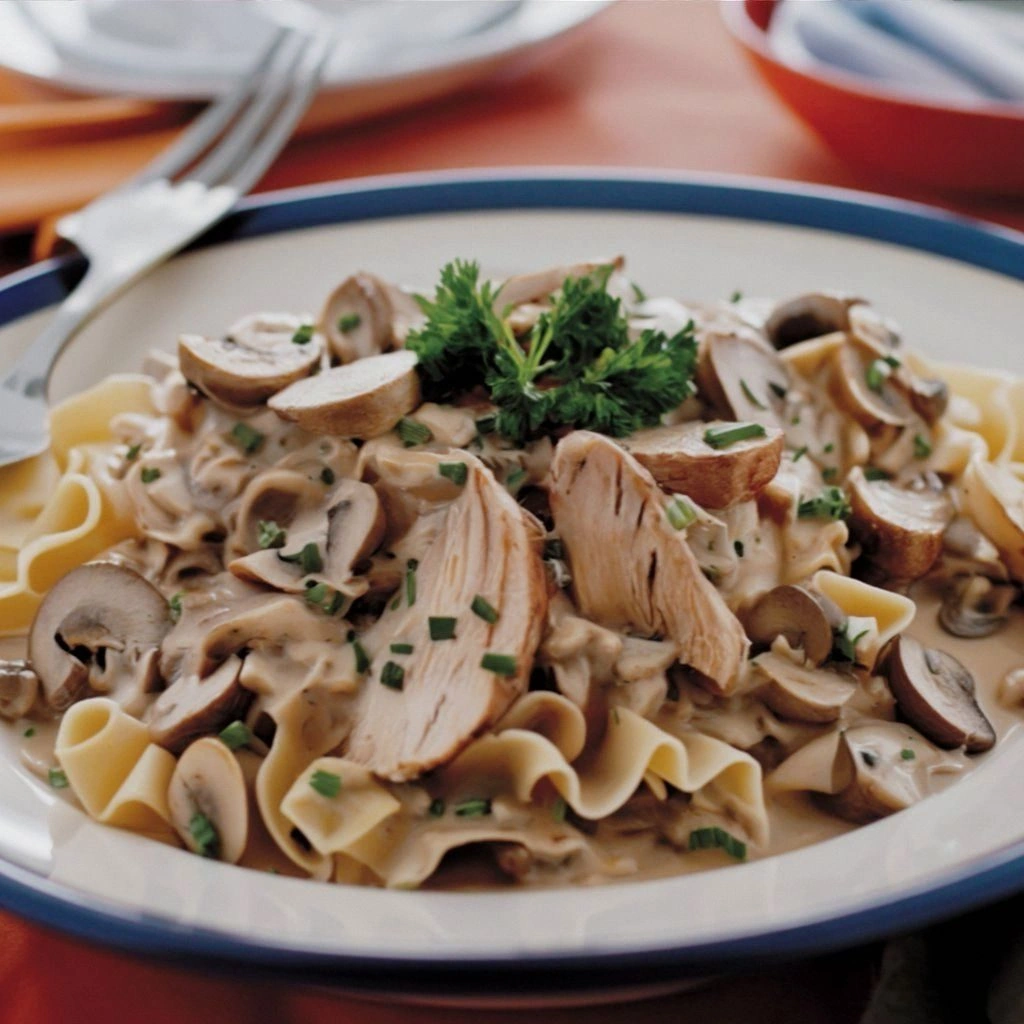
Picture this: a steaming bowl of savory sauce that clings to every strand of egg noodle like a silky coat, the aroma of sautéed onions and garlic rising in a gentle, comforting wave, and the sight of tender chicken pieces slowly melting into the sauce, each bite delivering a burst of umami that feels both hearty and surprisingly light. The sound is a soft, rhythmic hum from the slow cooker, a counterpoint to the crackle of the onions in the skillet. The texture is a perfect balance—mushrooms that remain slightly crisp, a sauce that is thick enough to cling yet not cloying, and chicken that is juicy but not mushy. I can almost taste the first spoonful, the richness of the cream, the bright zing of Dijon, and the subtle depth of Worcestershire, all mingling together in a harmony that feels like a well-rehearsed orchestra. It was a revelation that I had to share.
This version stands out because I’ve taken the classic stroganoff and stripped away the fluff, focusing on the core elements that deliver maximum flavor with minimal fuss. I’ve swapped out heavy cream for a combination of cream of chicken soup and sour cream to keep the dish creamy but not overly rich, and I’ve introduced a splash of Worcestershire sauce to deepen the savory notes. The slow cooker does all the heavy lifting, allowing the chicken to stay moist and the mushrooms to develop a subtle earthy undertone. I’ve also incorporated a pinch of paprika for a gentle heat that lingers on the palate. The result is a dish that feels like a comforting hug in a bowl, yet is sophisticated enough to impress even the most discerning palate.
I dare you to taste this and not go back for seconds. This is hands down the best version you’ll ever make at home, and I’m not exaggerating. If you’ve ever struggled with a bland chicken dish, you’re not alone—this recipe is the fix you’ve been searching for. Picture yourself pulling this out of the slow cooker, the whole kitchen smelling incredible, and seeing the plate glisten with that glossy sauce. I’ll be honest— I ate half the batch before anyone else got to try it. Stay with me here, and by the end of this guide, you’ll wonder how you ever made it any other way.
What Makes This Version Stand Out
- Flavor: The combination of Dijon mustard, Worcestershire sauce, and paprika creates a layered profile that is both tangy and savory, turning ordinary chicken into a star.
- Texture: Slow cooking ensures the chicken stays tender while the mushrooms keep a slight bite, preventing the dish from becoming mushy.
- Convenience: The entire process takes less than an hour from start to finish, making it ideal for busy weeknights without compromising taste.
- Versatility: Serve over egg noodles, rice, or even mashed potatoes—each option absorbs the sauce differently, offering a fresh experience every time.
- Make‑ahead Potential: The dish tastes even better the next day, so you can prepare it in advance and reheat with minimal fuss.
- Ingredient Quality: Using fresh mushrooms, a good quality cream of chicken soup, and a splash of real Worcestershire sauce elevates the dish from simple to extraordinary.
- Minimal Cleanup: One skillet for sautéing and a slow cooker for the main course means fewer dishes and less time spent rinsing.
- Budget Friendly: The recipe uses pantry staples and affordable protein, making it a cost‑effective comfort food.
Alright, let’s break down exactly what goes into this masterpiece…
Inside the Ingredient List
The Flavor Base
Onions and garlic are the unsung heroes that lay the aromatic foundation of this dish. The onion’s natural sweetness, when caramelized, adds depth and a hint of caramel that balances the tang of the Dijon mustard. Garlic, with its sharp bite, cuts through the richness of the cream, preventing the dish from feeling heavy. Skipping the onions would leave the sauce flat, while omitting garlic would reduce the overall complexity. If you’re feeling adventurous, try adding a pinch of smoked paprika to the base for an extra smoky undertone.
The Texture Crew
Mushrooms bring an earthy, umami punch that complements the chicken perfectly. Fresh button or cremini mushrooms are ideal because they hold their shape during slow cooking, giving the dish a satisfying bite. If you prefer a more robust flavor, sauté them until they brown slightly before adding to the slow cooker. The cornstarch slurry thickens the sauce without making it gloopy; it also helps the sauce cling to the noodles. A pinch of salt is essential to bring all the flavors together, but remember that the condensed soup already contains sodium, so taste before adding more.
The Unexpected Star
Condensed cream of chicken soup is the secret sauce that gives this dish its velvety texture. It’s a pantry staple that, when combined with sour cream, creates a rich yet light sauce that coats every bite. This ingredient also acts as a stabilizer, preventing the sauce from separating during the slow cooking process. If you’re watching your sodium intake, look for a low-sodium version of the soup or use a homemade chicken broth base to keep the flavor high without the excess salt. The sour cream added at the end provides a cool, tangy contrast that brightens the overall profile.
The Final Flourish
Fresh parsley not only adds a burst of color but also introduces a subtle herbal note that lifts the dish. A generous sprinkle of parsley on top before serving transforms a simple plate into a restaurant‑style presentation. If parsley isn’t available, a sprinkle of chopped chives or green onions works as an excellent substitute. The choice of protein—boneless, skinless chicken breasts—ensures a lean, tender result that doesn’t overpower the sauce. For a vegetarian twist, replace the chicken with sliced seitan or tofu, and the dish remains delicious.
Everything's prepped? Good. Let's get into the real action…
The Method — Step by Step
- First, heat a splash of oil in a skillet over medium-high heat. Add the diced onion and sauté until it turns translucent and begins to caramelize, releasing a sweet aroma that will set the flavor stage. While the onion cooks, add the sliced mushrooms and a pinch of salt; cook until they start to brown slightly, which brings out their earthy depth. This step is crucial because it builds the base that the slow cooker will amplify. Once done, transfer the onion-mushroom mixture to the slow cooker, setting the stage for the next layer of flavors.
- Next, dice the chicken breasts into bite‑size cubes. Place them in the slow cooker, ensuring they’re evenly distributed. Sprinkle the minced garlic, Dijon mustard, Worcestershire sauce, paprika, and a pinch of black pepper over the top. The combination of these spices will infuse the chicken with a complex, savory profile that will linger in every mouthful. Stir gently to coat all the pieces, making sure the flavors mingle before the slow cooker does its work.
- Pour the condensed cream of chicken soup and chicken broth into the slow cooker, swirling the mixture to combine everything smoothly. The soup acts as a thickening agent while the broth balances its richness. Cover the slow cooker and set it to low for 4 to 5 hours or high for 2 to 3 hours; the goal is a low, steady heat that gently stews the ingredients together. This slow simmer allows the chicken to become tender while the sauce melds into a silky, cohesive blanket of flavor. Keep an eye on the pot to ensure it doesn’t boil over—if it starts to bubble vigorously, reduce the heat slightly.
- Once the cooking time is complete, stir the mixture gently to ensure everything is well combined. At this point, the sauce should have thickened noticeably and the chicken should be fork‑tender. If the sauce appears too thin, you can add the cornstarch slurry (2 tablespoons cornstarch mixed with 2 tablespoons cold water) and stir until it thickens to your desired consistency. This step is optional but recommended for a richer, more luscious sauce. Let the mixture sit for a few minutes off the heat to allow the flavors to settle.
- Now add the sour cream, stirring slowly to avoid curdling. The sour cream brings a cool, tangy contrast that brightens the dish and adds a velvety finish. It also helps stabilize the sauce, preventing it from separating during reheating. Taste the sauce and adjust seasoning if needed—add a pinch more salt or pepper to suit your palate. This is the moment of truth; the aroma should be rich, the color creamy, and the texture inviting.
- Serve the chicken stroganoff over cooked egg noodles or rice, spooning generous amounts of sauce over the top. The noodles act like a sponge, soaking up the rich sauce, while the rice offers a hearty base that complements the creamy texture. Garnish with fresh parsley for a pop of color and a hint of freshness that cuts through the richness. This final touch transforms the dish from comforting to elegant in seconds. Plate with confidence and watch as your guests marvel at the depth of flavor.
- Enjoy your creation immediately, or let it rest for a few minutes before serving; the flavors will deepen and meld even further. If you’re preparing ahead, keep the sauce in a sealed container and refrigerate for up to 3 days. Reheat gently on the stovetop or in the microwave, stirring occasionally, to preserve the silky texture. Remember to add a splash of water or broth if the sauce appears thickened; this will steam it back to perfection. That sizzle when it hits the pan? Absolute perfection.
That’s it—you did it. But hold on, I’ve got a few more tricks that’ll take this to another level…
Insider Tricks for Flawless Results
The Temperature Rule Nobody Follows
Many people think high heat is always better, but in a slow cooker, low and steady is the secret sauce. Cooking at a lower temperature keeps the chicken from drying out and allows the flavors to meld slowly. If you’re using a high setting, keep the lid slightly ajar to avoid a runaway boil. This trick ensures a tender, juicy result that feels like a warm hug. I once tried high heat on a slow cooker and ended up with a dry, rubbery chicken—lesson learned, and I never go back.
Why Your Nose Knows Best
Trust your sense of smell; a dish that smells like caramelized onions and fresh mushrooms is usually on the right track. The aroma is a reliable indicator that the onions have released enough sweetness to balance the sauce’s richness. If the smell feels flat or overly sour, it’s a sign to adjust the seasoning or add a splash of broth. This simple check saves countless dishes from being under-seasoned or overcooked. I’ve saved a meal from disaster simply by following my nose.
The 5-Minute Rest That Changes Everything
Letting the dish rest for five minutes after the slow cooker turns off allows the flavors to settle and the sauce to thicken slightly. The residual heat continues to work, pulling the chicken pieces together and ensuring the sauce coats each noodle perfectly. This step is often overlooked but can make the difference between a good dish and a great one. I’ve seen people skip it and end up with a sauce that feels watery; the rest fixes that instantly.
Use a Meat Thermometer for Precision
If you’re a perfectionist, a digital meat thermometer is a game changer. Chicken should reach an internal temperature of 165°F (74°C) for safety and optimal texture. A quick check after the slow cooker cycle ensures you’re not overcooking. This is especially useful if you’re preparing for a large group or if you have a picky eater who insists on perfectly cooked meat. I’ve used a thermometer to avoid the dreaded “overdone chicken” situation.
Stirring Is Optional but Beneficial
Stirring the slow cooker once or twice during the cooking period helps distribute heat evenly, preventing hot spots that might burn the sauce. However, avoid stirring too often, as it can break down the sauce’s structure. A single stir halfway through is usually enough. I’ve found this balance keeps the sauce smooth and prevents the onions from sticking to the bottom. It’s a small effort for a big payoff.
Creative Twists and Variations
This recipe is a playground. Here are some of my favorite ways to switch things up:
Smoky Chipotle Chicken
Swap the paprika for chipotle powder and add a splash of adobo sauce for a smoky, slightly spicy kick. This version pairs beautifully with cilantro‑lime rice. The heat level can be adjusted to your preference, making it a versatile option for spice lovers. The chipotle adds depth and a subtle sweetness that complements the creamy sauce.
Herb‑Infused Variation
Add a handful of fresh thyme or rosemary during the sauté stage for an aromatic twist. These herbs infuse the sauce with a piney, earthy flavor that pairs well with roasted vegetables. The addition of herbs also brightens the dish, giving it a fresh, garden‑fresh vibe. It’s a perfect choice for spring or summer when herbs are at their peak.
Vegetarian Mushroom Stroganoff
Omit the chicken entirely and increase the mushroom quantity. Use a mix of shiitake, cremini, and oyster mushrooms for a rich umami profile. Add a splash of vegetable broth to replace the chicken broth, and finish with a drizzle of truffle oil for an indulgent touch. This version is hearty, flavorful, and satisfies even the most devoted meat lovers.
Low‑Carb Delight
Swap the egg noodles for spiralized zucchini or shirataki noodles to keep the dish low in carbs. The noodles absorb the sauce just as well, providing a satisfying bite without the extra carbs. This variation is ideal for keto or low‑carb dieters who still crave comfort food. The flavor remains unchanged, only the carbohydrate content drops.
Greek Yogurt Finish
Replace the sour cream with plain Greek yogurt for a tangier, protein‑packed finish. The yogurt adds a creamy texture while cutting down on fat. Be sure to stir gently to avoid curdling, and add a splash of lemon juice for brightness. This version gives the dish a Greek twist, perfect for a Mediterranean-inspired meal.
Spicy Cajun Chicken
Infuse the dish with Cajun seasoning and a dash of cayenne pepper for a fiery kick. Pair it with Cajun rice or cornbread for a Southern feel. The heat pairs beautifully with the creamy sauce, creating a harmonious balance of spicy and comforting. This variation is a crowd‑pleaser for those who love bold flavors.
Storing and Bringing It Back to Life
Fridge Storage
Cool the dish completely before transferring it to an airtight container. Store it in the refrigerator for up to 3 days. The sauce may thicken slightly; simply stir in a splash of broth or water to restore its silky texture. Keep the noodles separate if you want to maintain their firmness, reheating them separately from the sauce. This method ensures you have a quick, satisfying meal ready whenever hunger strikes.
Freezer Friendly
Divide the sauce into freezer‑safe portions and seal tightly. Freeze for up to 2 months. When ready to serve, thaw overnight in the refrigerator and reheat gently on the stove, stirring occasionally. The noodles should be cooked fresh or reheated separately to avoid mushiness. A small splash of water before reheating helps the sauce steam back to its original consistency.
Best Reheating Method
The ideal way to reheat this dish is on low heat over a double boiler or in a saucepan with a splash of broth. Stir constantly to prevent the sauce from separating. If using the microwave, cover with a microwave‑safe lid and heat in short bursts, stirring in between. Adding a teaspoon of water or broth before reheating helps maintain the sauce’s creamy texture. The result is a dish that tastes as good as when it was first made.