Love this? Pin it for later! 📌
There's something magical about a steaming bowl of chicken and noodles when you're feeling under the weather. It transports you back to childhood, to those days when mom would make the most comforting meals that somehow made everything feel better. After years of perfecting my own version, I'm thrilled to share this one-pot wonder that's become my go-to remedy for everything from the common cold to those days when life just feels overwhelming.
What makes this recipe special isn't just its incredible comfort factor—it's the fact that everything cooks in a single pot, minimizing cleanup when you're already feeling drained. The tender chicken practically falls apart, the noodles soak up all that savory broth, and the vegetables add just the right amount of nutrition without overwhelming delicate appetites. Whether you're nursing yourself back to health, caring for a sick family member, or simply craving the ultimate comfort food, this recipe delivers warmth and nourishment in every spoonful.
I've tested this recipe dozens of times, adjusting seasonings, cooking times, and ingredient ratios to ensure it's foolproof even when you're running on empty. The result is a dish that's both incredibly simple and deeply satisfying, proving that sometimes the best medicine really does come from the kitchen.
Why This Recipe Works
- One Pot Wonder: Everything cooks together, infusing the noodles with rich chicken flavor while keeping cleanup minimal
- Gentle on Sensitive Stomachs: Mild seasonings and a light, clear broth that's easy to digest when you're feeling unwell
- Protein-Packed Healing: Tender chicken provides essential amino acids for recovery and immune support
- Flexible Ingredients: Works with fresh or frozen vegetables, making it perfect for when pantry supplies are low
- Budget-Friendly Comfort: Uses affordable ingredients you likely already have on hand
- Quick Preparation: From fridge to table in under 45 minutes, perfect for when you have limited energy
- Make-Ahead Friendly: Stores beautifully for multiple meals throughout your recovery
Ingredients You'll Need

The beauty of this recipe lies in its simplicity. Each ingredient is carefully chosen for both flavor and healing properties, creating the perfect balance of comfort and nutrition. Let me walk you through each component and why it matters:
Chicken
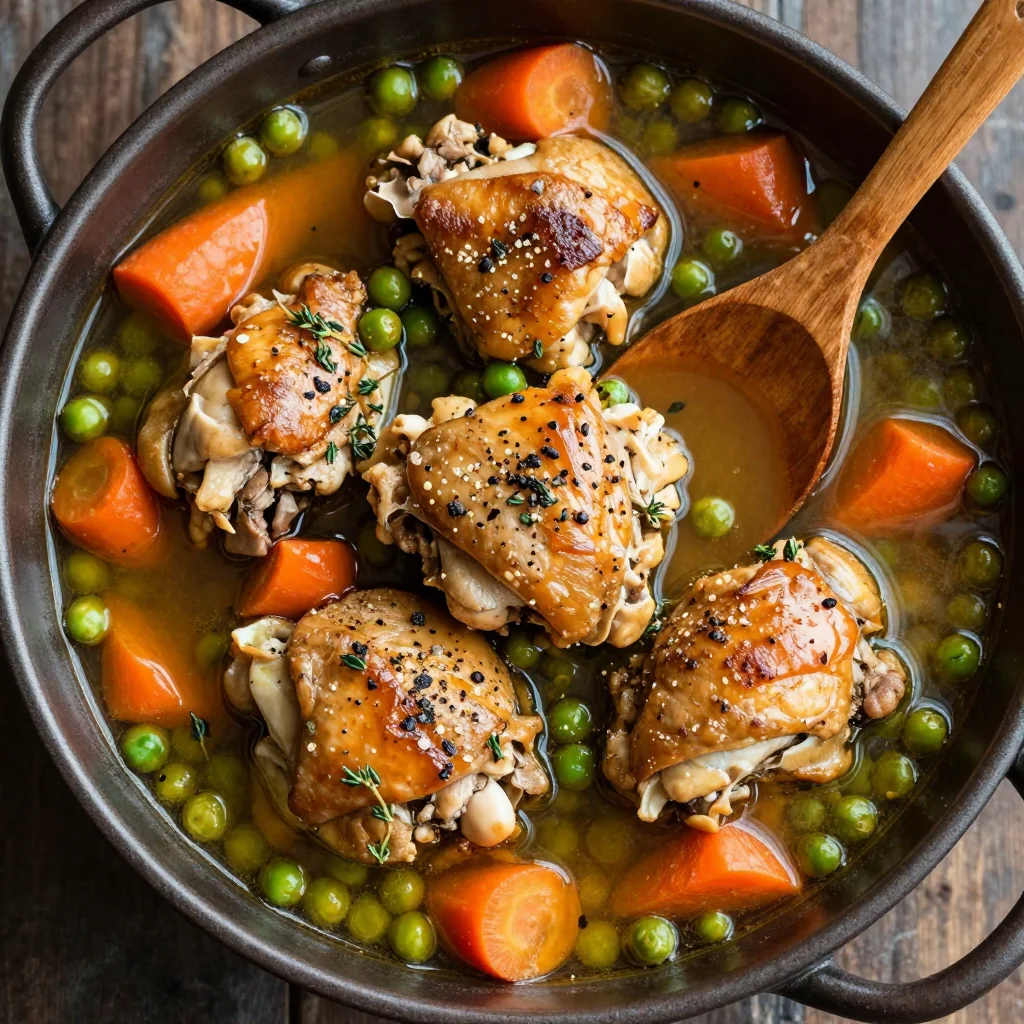
I prefer using boneless, skinless chicken thighs for this recipe. They're more forgiving than chicken breasts, staying tender and juicy even with extended cooking times. The natural fat content adds richness to the broth without making it greasy. If you only have chicken breasts, that's perfectly fine too—just be mindful of cooking time to prevent them from becoming dry.
Egg Noodles
Wide egg noodles are traditional for a reason. Their flat surface captures the broth beautifully, and they have a wonderful chewy texture that provides satisfying substance to the dish. If you only have other pasta shapes, rotini or farfalle work well too. For a gluten-free version, rice noodles are an excellent substitute.
I keep the vegetable profile simple and gentle. Carrots add natural sweetness and vitamin A for immune support. Celery provides a subtle aromatic base and essential minerals. Onion offers depth without being overwhelming. These vegetables become tender and mild as they simmer, perfect for sensitive stomachs.
Broth
Low-sodium chicken broth is my go-to, allowing me to control the salt level. The broth is the foundation of flavor, so choose a quality brand or use homemade if you have it. The gentle warmth of broth has been scientifically proven to help relieve nasal congestion and provide hydration.
Seasonings
I keep seasonings minimal and healing. Fresh garlic provides immune-boosting properties, while thyme offers subtle earthy notes known for respiratory benefits. A bay leaf adds complexity, and black pepper provides just enough warmth without overwhelming delicate palates.
How to Make Easy One Pot Chicken and Noodles for Sick Days
Prep Your Ingredients
Start by cutting your chicken into bite-sized pieces, about 1-inch cubes. This size ensures quick, even cooking. Dice your onion, slice the carrots into thin rounds, and chop the celery. Having everything prepped before you start cooking makes the process smoother, especially when you're not feeling your best.
Season the Chicken
Pat your chicken pieces dry with paper towels—this helps them brown better. Season generously with salt and pepper. I like to add a pinch of dried thyme at this stage too, letting the chicken absorb some flavor before cooking.
Sear the Chicken
Heat 2 tablespoons of olive oil in a large Dutch oven or heavy-bottomed pot over medium-high heat. Once the oil shimmers, add the chicken in a single layer. Let it cook undisturbed for 3-4 minutes to develop a golden crust. This caramelization adds incredible depth to the final dish.
Build the Base
Remove the seared chicken to a plate (it will finish cooking later). In the same pot, add your diced onion, carrots, and celery. Cook for 4-5 minutes until the vegetables begin to soften and the onion turns translucent. The fond (browned bits) from the chicken will flavor these vegetables beautifully.
Add Aromatics
Stir in the minced garlic and cook for just 30 seconds until fragrant. Add the thyme and bay leaf, stirring to combine. This brief cooking time prevents the garlic from burning while releasing its beneficial compounds.
Deglaze the Pot
Pour in 4 cups of chicken broth, scraping the bottom with a wooden spoon to release all those flavorful browned bits. This step is crucial—it prevents burning and incorporates all the concentrated flavors into your broth.
Add Chicken and Simmer
Return the seared chicken to the pot along with any accumulated juices. Bring to a gentle simmer, then reduce heat to low. Cover partially and let it simmer for 15 minutes. This gentle cooking method keeps the chicken tender while infusing it with the herb-scented broth.
Cook the Noodles
Increase the heat to medium and add the egg noodles. Stir well to prevent sticking. Cook according to package directions, usually 8-10 minutes, until the noodles are tender. The starch from the noodles will naturally thicken the broth slightly, creating that perfect comfort food consistency.
Final Seasoning
Remove the bay leaf. Taste and adjust seasoning with salt and pepper as needed. The broth should be flavorful but not overwhelming. If it needs brightness, a squeeze of lemon juice works wonders.
Serve and Enjoy
Ladle into bowls immediately while hot. The steam rising from the bowl is part of the experience—it helps clear congestion and warms you from the inside out. Garnish with fresh parsley if desired, though it's perfectly delicious on its own.
Expert Tips
Temperature Control
Keep the simmer gentle—boiling too vigorously can make the chicken tough and cause the noodles to break apart. A gentle bubble is all you need.
Broth Consistency
If your broth reduces too much, simply add hot water or more chicken broth. The goal is a soup-like consistency that coats the noodles.
Make-Ahead Strategy
Cook the chicken and broth base up to 2 days ahead. Store separately from cooked noodles to prevent mushiness. Combine and reheat when ready to serve.
Freezing Portions
This recipe freezes beautifully for up to 3 months. Freeze in individual portions for easy sick-day meals. Thaw overnight in the refrigerator.
Flavor Boosters
Add a parmesan rind while simmering for extra umami depth. Remove before serving. A splash of white wine also adds complexity.
Sick Day Modifications
For upset stomachs, omit the garlic and use white pepper instead of black. For sore throats, cook until everything is very soft and easy to swallow.
Variations to Try
Asian-Inspired
Add 1 tablespoon grated ginger, use rice noodles, and finish with a splash of soy sauce and sesame oil. Garnish with green onions.
Creamy Version
Stir in 1/2 cup heavy cream during the last 5 minutes of cooking for a richer, more indulgent version that's perfect for cold winter days.
Vegetable Boost
Add diced zucchini, bell peppers, or spinach during the last 5 minutes of cooking for extra vitamins and minerals.
Storage Tips
Proper storage ensures your healing chicken and noodles stay fresh and safe to eat throughout your recovery:
Refrigeration
Store cooled leftovers in an airtight container in the refrigerator for up to 4 days. The flavors actually improve overnight as they meld together. When reheating, you may need to add a splash of broth or water as the noodles will continue to absorb liquid.
Freezing Instructions
For best results, freeze the chicken and broth base separately from the noodles. Combine after thawing and reheating. This prevents the noodles from becoming mushy. Frozen portions last up to 3 months. Thaw overnight in the refrigerator for best texture.
Reheating
Reheat gently on the stovetop over medium-low heat, stirring occasionally. Add additional broth or water as needed to achieve desired consistency. Microwave reheating works in a pinch—use 50% power and stir every 30 seconds to prevent hot spots.
Frequently Asked Questions

Easy One Pot Chicken and Noodles for Sick Days
Ingredients
Instructions
- Season and Sear: Season chicken pieces with salt and pepper. Heat olive oil in a large Dutch oven over medium-high heat. Sear chicken until golden, about 4 minutes per side. Remove to a plate.
- Build the Base: In the same pot, cook onion, carrots, and celery until softened, about 5 minutes. Add garlic, thyme, and bay leaf; cook 30 seconds.
- Deglaze: Pour in chicken broth, scraping up browned bits from the bottom of the pot.
- Simmer: Return chicken to the pot. Bring to a simmer, cover partially, and cook for 15 minutes.
- Add Noodles: Add egg noodles and cook according to package directions, stirring occasionally, until tender.
- Season and Serve: Remove bay leaf. Adjust seasoning with salt and pepper. Serve hot, garnished with parsley if desired.
Recipe Notes
For the most tender chicken, don't skip the searing step—it locks in juices and adds incredible flavor to the broth. Store leftovers in airtight containers for up to 4 days in the refrigerator or 3 months in the freezer.