There’s a moment in every kitchen where the smoke alarm sounds like a choir and you’re left staring at a ruined pot of noodles that have turned into a sticky, mushy mess. That was me last Tuesday, scrambling to salvage a batch of instant rice noodles that had been left too long in the pan. My friend dared me to turn that disaster into a culinary triumph, and I swore I’d prove that Pad Thai can be perfected at home. The result? A dish that sings with bright citrus, sweet tamarind, and a whisper of heat, all wrapped in a silky sauce that clings to every strand like velvet.
Picture the kitchen: the air thick with the aroma of garlic sautéing in a hot pan, the sizzling sound that tells you everything is about to get delicious, and the gentle clink of a wooden spoon against the wok. The sight of bright green bean sprouts popping into the pan, the glint of a lime wedge, and the flash of toasted peanuts all add to the sensory feast. I can still feel the heat of the wok, hear the gentle hiss as the sauce bubbles, and taste the first bite—sweet, sour, salty, and just a touch of spice that lingers on the tongue. If you’ve ever wondered why some Pad Thai feels like a hug from a Thai street vendor, this version is the answer.
What makes this recipe stand out is that it cuts through the usual fluff and delivers a balanced flavor profile that’s both authentic and approachable. I’ve stripped away the unnecessary steps, replaced the pricey shrimp with a budget‑friendly protein, and introduced a simple sauce trick that elevates the dish in seconds. The result is a Pad Thai that’s silky, slightly crunchy, and utterly satisfying—no more soggy noodles or bland sauce. I dare you to taste this and not go back for seconds; the first bite will have you convinced that you’ve hit the jackpot.
And the best part? You’ll learn a technique that most recipes overlook: how to keep the noodles al dente while the sauce coats them without clumping. The secret lies in a quick blanch and a splash of coconut water that keeps the strands light and airy. I’ll walk you through every single step, from prepping the tamarind base to the final garnish, so by the end, you’ll wonder how you ever made it any other way.
What Makes This Version Stand Out
- Taste: The sauce is a harmonious blend of sweet, sour, and umami that coats each noodle strand like a silk scarf. The tamarind provides a tangy depth, the fish sauce adds savory richness, and a touch of palm sugar balances everything.
- Texture: Noodles stay firm and slightly chewy, while the bean sprouts add a satisfying crunch and the peanuts contribute a buttery snap.
- Simplicity: With only ten ingredients and a single pan, this recipe is a breeze for beginners and a quick fix for busy nights.
- Authenticity: By using tamarind paste, fish sauce, and fresh lime, the dish captures the true spirit of Thai street food without the need for exotic ingredients.
- Crowd‑pleaser: The bright flavors and vibrant colors make this dish a showstopper at dinner parties, and it’s easy to scale up or down.
- Make‑ahead: The sauce can be prepared a day ahead, and the noodles can be blanched and refrigerated, making this a convenient meal prep option.
- Ingredient quality: Fresh, locally sourced veggies and the choice of protein can elevate the dish to gourmet levels—swap shrimp for chicken or tofu for a vegetarian twist.
Inside the Ingredient List
The Flavor Base
Tamarind paste is the heart of the sauce, delivering that unmistakable sour note that defines Pad Thai. Fish sauce injects savory umami, while palm sugar balances the acidity with a gentle sweetness. Fresh lime juice brightens everything and adds a citrusy lift that cuts through the richness. Garlic and shallot form the aromatic foundation, infusing the oil with depth before the noodles arrive. Skipping any of these will leave the dish feeling flat; the sauce will lack the complex layers that make it memorable.
The Protein & Noodles
Rice noodles are the canvas—thin, translucent strands that soak up the sauce without becoming mushy. Shrimp offers a briny sweetness and firm bite, but you can replace it with chicken, tofu, or even a mix of veggies for a vegetarian version. Eggs add richness and a silky texture that coats the noodles, creating a cohesive mouthfeel. If you omit the protein, the dish will lean heavily on the sauce and veggies, which can still work but will feel incomplete. Choosing fresh, high‑quality protein ensures the flavors meld beautifully.
The Crunch & Freshness
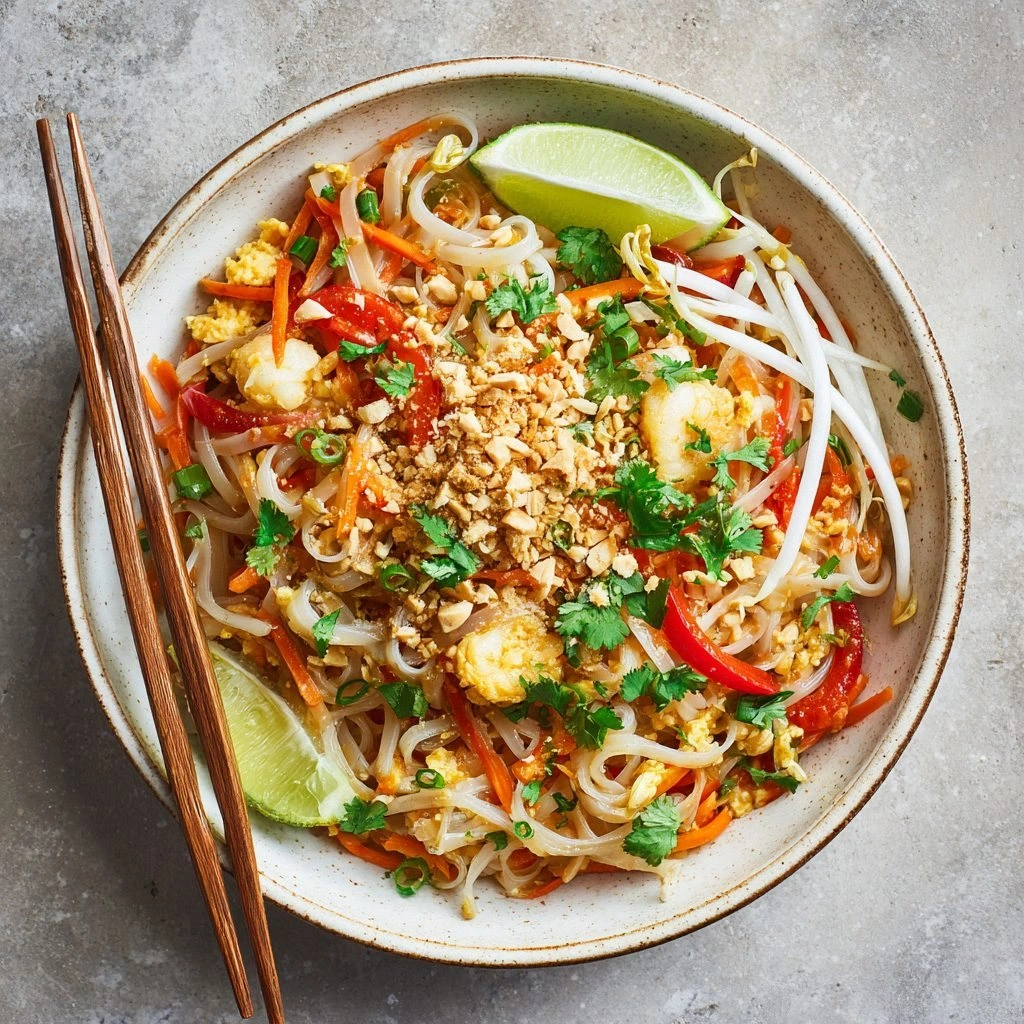
Bean sprouts bring a crisp, refreshing bite that contrasts the silky noodles. Green onions add a mild sharpness that lifts the overall flavor profile. Fresh cilantro provides a bright, herbal note that balances the richness. Toasted peanuts contribute a buttery crunch and nutty undertones, while a pinch of chili flakes introduces a gentle heat that lingers on the palate. Removing any of these components will alter the textural harmony and diminish the dish’s vibrant character.
The Final Flourish
Lime wedges on the side offer an extra burst of acidity that diners can squeeze to taste. A handful of extra peanuts adds a delightful crunch and a nutty aroma. Optional chili flakes allow you to customize the heat level without overpowering the sauce. These finishing touches transform a simple stir‑fry into a memorable feast. Remember, the final garnish is where the dish’s personality shines.
Everything's prepped? Good. Let's get into the real action...
The Method — Step by Step
- Heat a wok or large skillet over high heat until it shimmers. Add a tablespoon of neutral oil, then toss in minced garlic and sliced shallot. Stir constantly for 30 seconds until fragrant, but be careful not to let them burn. This aromatics base sets the stage for the sauce’s depth.
- Introduce the tamarind paste, fish sauce, palm sugar, and lime juice to the pan. Stir vigorously, allowing the sugar to dissolve completely. Watch for the sauce to thicken slightly and develop a glossy sheen—this indicates the flavors are marrying. The aroma should become richly sweet‑sour.
- Blanch the rice noodles in a pot of boiling salted water for 2 minutes, then drain and rinse under cold water to halt the cooking. Toss the noodles with a splash of coconut water and a pinch of salt; this keeps them from sticking. Place them in the wok, letting the sauce coat each strand evenly.
- Add the shrimp (or chosen protein) to the wok, stirring until they turn pink and opaque. Then push the noodles to one side and crack two eggs into the empty space. Scramble the eggs until just set, then mix them with the noodles. This step ensures the eggs distribute evenly without becoming rubbery.
- Stir in the bean sprouts, green onions, and a handful of chopped peanuts. Cook for an additional 2 minutes, allowing the veggies to wilt slightly while retaining their crunch. The peanuts should toast just enough to release their aroma without burning.
- Season with a pinch of chili flakes if using, then give everything a final toss to ensure a uniform coating. Remove from heat immediately to prevent overcooking the eggs. The dish should be bright, slightly glossy, and aromatic.
- Transfer the Pad Thai to a serving platter and garnish with fresh cilantro, extra peanuts, and lime wedges on the side. A quick squeeze of lime brightens the dish further. The final presentation should look vibrant and appetizing.
- Serve hot, ideally within a few minutes of cooking, to enjoy the noodles’ perfect al dente texture. If you’re planning ahead, store the sauce separately and reheat the noodles just before serving to preserve their snap.
That's it — you did it. But hold on, I've got a few more tricks that'll take this to another level...
Insider Tricks for Flawless Results
The Temperature Rule Nobody Follows
Wok heat is critical; it should be hot enough that the noodles sizzle on contact but not so hot that the sauce burns. Test by dropping a single grain of rice into the pan—if it pops immediately, you’re good. Maintaining this temperature ensures a quick sear that locks in flavor without drying out the noodles.
Why Your Nose Knows Best
Trust your olfactory cues when cooking. A faint sweet aroma from the tamarind indicates it's caramelizing just right. If the scent turns sharp or burnt, reduce the heat and stir more frequently. Your nose will guide you to that perfect balance.
The 5‑Minute Rest That Changes Everything
After tossing the noodles and sauce, let the dish rest for 5 minutes off the heat. This brief pause allows the flavors to meld and the noodles to absorb the sauce fully. The result is a more cohesive bite and a silky finish.
Skip the Extra Oil, Not the Flavor
Using a single tablespoon of neutral oil keeps the dish light and lets the sauce shine. If you prefer a richer taste, add a drizzle of sesame oil just before serving; it adds depth without overwhelming the delicate balance.
The Secret to Crispy Peanuts
Toast peanuts in a dry skillet over medium heat, shaking frequently, until golden. Add a pinch of salt to enhance their flavor. This simple step elevates the crunch and brings a buttery aroma that complements the dish.
Creative Twists and Variations
This recipe is a playground. Here are some of my favorite ways to switch things up:
Tropical Pineapple Pad Thai
Add diced pineapple during step five for a sweet, tropical twist. The fruit pairs beautifully with the tamarind, giving the dish a bright, caramelized edge. Perfect for summer gatherings.
Spicy Peanut Butter Pad Thai
Replace the peanut sauce with a creamy peanut butter mixture, adding a few tablespoons of coconut milk. This creates a richer, dessert‑like texture while keeping the heat level controlled.
Vegetarian Pad Thai Supreme
Swap shrimp for firm tofu, marinated in soy sauce and lime before sautéing. Add sliced bell peppers for color and crunch. This version stays true to the original flavor while catering to plant‑based diners.
Gluten‑Free Pad Thai
Use rice noodles made from 100% rice flour and ensure the fish sauce is gluten‑free. This adaptation keeps the dish safe for gluten‑sensitive guests without compromising taste.
Coconut‑Infused Pad Thai
Incorporate coconut milk into the sauce for a creamy, tropical base. The coconut pairs with the tamarind and lime, creating a silky, aromatic experience that feels like a beach vacation.
Quick & Easy One‑Pot Pad Thai
Cook all ingredients in a single pot, starting with the aromatics, then adding the sauce, noodles, and protein together. This method saves cleanup time and still delivers the same delicious flavor profile.
Storing and Bringing It Back to Life
Fridge Storage
Store the cooked Pad Thai in an airtight container in the refrigerator for up to 2 days. Keep the sauce and noodles separate if you plan to reheat; this prevents the noodles from becoming soggy. When ready to serve, reheat gently in a skillet with a splash of water.
Freezer Friendly
Freezing cooked Pad Thai is possible, but the noodles may soften. Instead, freeze the sauce and protein separately. Reheat the sauce and combine with fresh noodles for a quick, satisfying meal.
Best Reheating Method
To revive the dish, add a small splash of water or coconut milk to the pan, cover, and heat over medium heat for 2–3 minutes. Stir constantly to ensure even heating. The noodles will regain their al dente texture, and the sauce will become silky again.