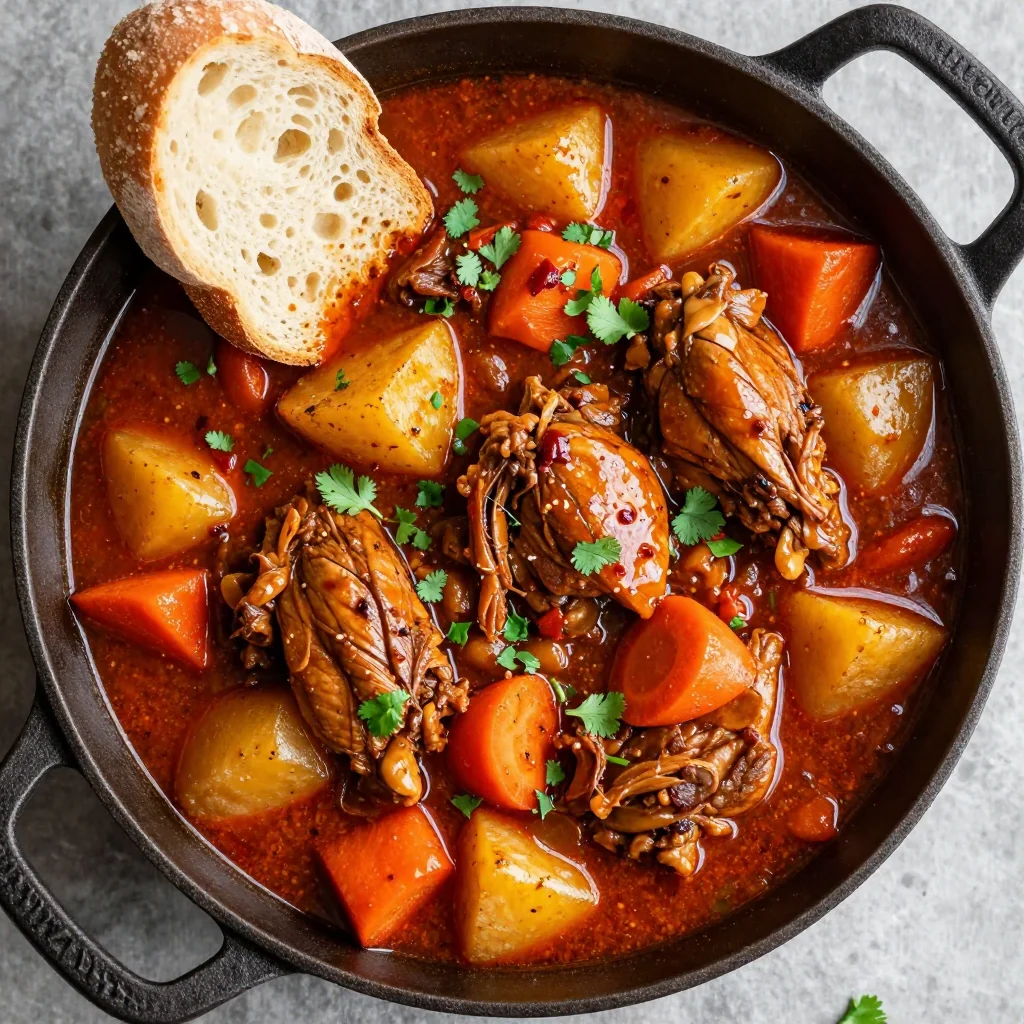
I was halfway through a chaotic week, juggling a client presentation, a toddler who had just discovered the kitchen, and a stubborn pot of potatoes that refused to cook properly. The potatoes had been boiled, sliced, and then left to sit on the counter for an hour, turning into a soggy, bland mush that threatened to ruin my dinner plans. In that moment, I decided to throw a little Greek magic into the mix, and the kitchen erupted into a fragrant, sizzling symphony. The air filled with the sharp citrus of lemon, the earthy aroma of oregano, and the comforting scent of olive oil warming the pan. I dared myself to turn this mishap into a masterpiece that would make my guests swoon. The result? A dish so bright, crisp, and utterly addictive that I still find myself reaching for the recipe even on the busiest days.
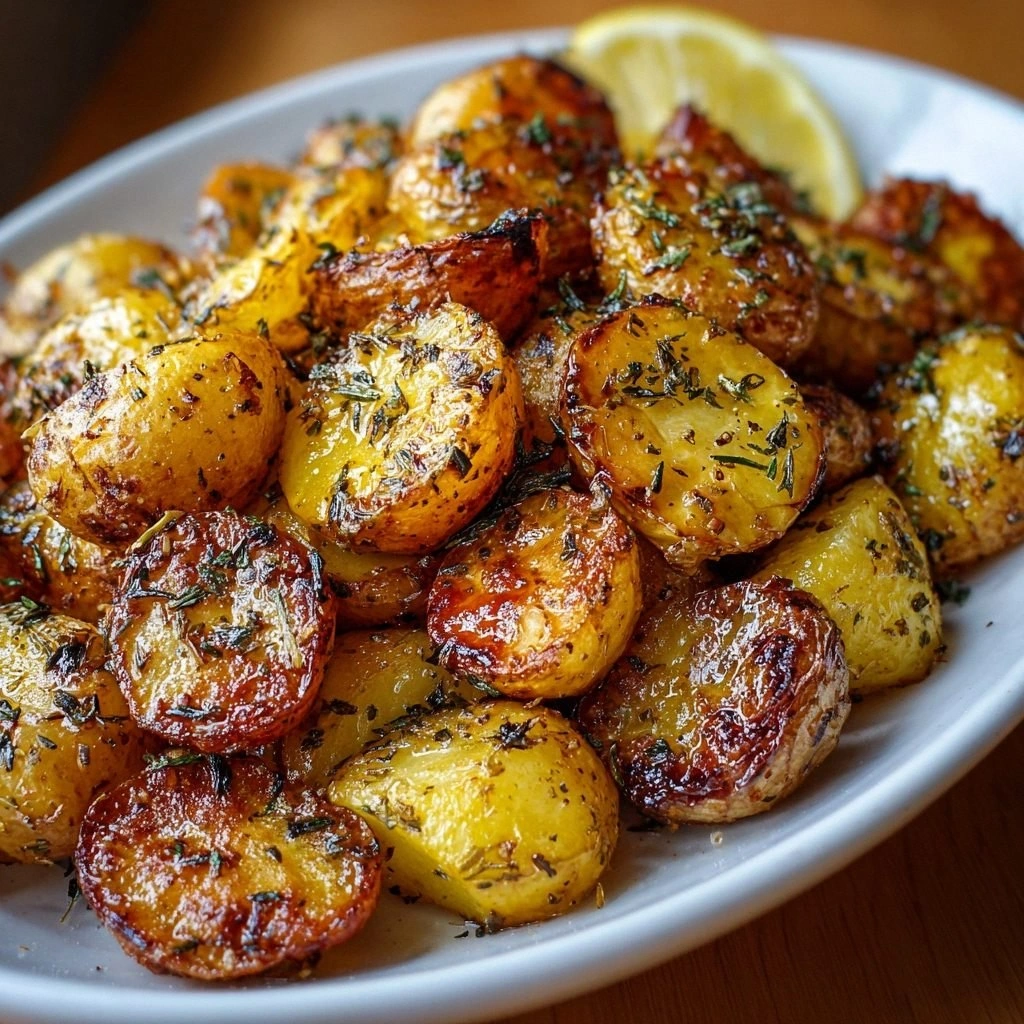
Picture this: a golden, caramelized crust crackling on the surface of the potatoes, the faint hiss of garlic frying in olive oil, and a burst of lemon zest that brightens the entire room. The sound of the skillet is a rhythmic drumbeat that tells you the potatoes are cooking just right. The visual of the bubbling vegetable broth, slowly thickening into a glossy glaze, is almost hypnotic. The taste is a harmonious blend of citrusy brightness, herbal depth, and savory umami, all balanced by the gentle heat of the oven. The texture is a paradoxical dance of crisp edges and tender interiors, each bite delivering a satisfying crunch before melting into a buttery softness. The feel of the warm, fragrant steam rising from the pan feels like a comforting hug on a chilly evening.
What sets this version apart is that it embraces the simplicity of a few high-quality ingredients while elevating them with a technique that locks in moisture and flavor. By pre-braising the potatoes in a flavorful broth, we create a moisture barrier that keeps them tender inside while the oven does the hard work of crisping the exterior. The addition of lemon juice right before baking gives the dish a fresh, zesty punch that cuts through the richness of olive oil and garlic, preventing it from becoming greasy. The careful balance of oregano and pepper adds depth without overpowering, making the dish approachable for both seasoned cooks and novices. This recipe is not just a side dish; it's a statement that even the simplest ingredients can deliver a gourmet experience when handled with care. I dare you to taste this and not go back for seconds.
I’ve spent countless nights experimenting with different potato preparations—roasting, frying, steaming—and none have matched the depth of flavor and texture this method offers. The key lies in the timing: letting the potatoes rest after boiling to allow moisture to redistribute, then coating them with a fragrant sauce before a final blast in the oven. The result is a dish that feels luxurious yet feels like home cooking. The aroma alone is enough to draw people into the kitchen, and the first bite reveals layers of flavor that keep you coming back for more. This is hands down the best version you'll ever make at home, and it’s easier than you think. If you've ever struggled with potatoes that turn out mushy or dry, you're not alone—and I've got the fix.
I remember the first time I tried this recipe and how my friends were astonished at how simple it was. They asked, “What’s the secret?” I smiled and said, “Just trust the broth and the lemon.” The dish became a staple at family gatherings, and I found myself adding it to my meal planning spreadsheet. The next time you hear about a Greek-inspired potato dish, know that this one is the gold standard. Picture yourself pulling this out of the oven, the whole kitchen smelling incredible, and your guests exclaiming that it’s the best they’ve ever tasted. Stay with me here—this is worth it.
The next section will break down exactly what makes this dish a standout in the world of potatoes. We’ll look at each element that contributes to its flavor, texture, and overall appeal, and we’ll reveal a trick that most people overlook. This isn’t just another recipe; it’s a culinary revelation that will change the way you think about potatoes forever. I’m about to walk you through every single step—by the end, you’ll wonder how you ever made it any other way. Let’s dive in.
What Makes This Version Stand Out
- Flavor: The combination of lemon and oregano creates a bright, herbaceous profile that elevates the humble potato into something memorable.
- Texture: The pre-braising technique locks in moisture, ensuring that the interior remains tender while the exterior turns irresistibly crisp.
- Ease: With only eight ingredients and a straightforward method, this dish is perfect for busy weeknights or last‑minute entertaining.
- Versatility: It pairs beautifully with grilled meats, fish, or even a simple salad, making it a crowd‑pleaser for any meal.
- Health Conscious: Using olive oil and vegetable broth keeps the dish heart‑healthy without compromising flavor.
- Make‑Ahead Friendly: The potatoes can be prepared a day ahead, refrigerated, and reheated with a quick oven blast.
Alright, let's break down exactly what goes into this masterpiece. The next paragraph will give you a deeper understanding of how each element works together to create a dish that is both comforting and sophisticated. This is the kind of recipe that will become your go-to, and you’ll find yourself making it over and over again.
The next paragraph will explore the science behind the broth pre‑braise, explaining why it matters and how it changes the texture of the potatoes. Understanding this will help you replicate the exact mouthfeel every time. It’s a small step that makes a huge difference, and it’s something you’ll want to remember for all your future potato dishes.
Another important detail is the use of fresh lemon juice instead of bottled. Fresh juice has a brighter, more vibrant acidity that cuts through the oil and garlic. It also adds a subtle floral note that bottled lemon can’t match. By using fresh lemons, you’re elevating the dish from ordinary to extraordinary.
The choice of oregano is crucial as well. Dried oregano is more concentrated, but using a small amount of fresh oregano can add a bright, almost citrusy flavor. If you prefer a milder taste, reduce the oregano by half and add a pinch of thyme instead. Experimentation is part of the fun, and you’ll find a balance that suits your palate.
Garlic is the unsung hero of this dish. It provides a deep, savory foundation that balances the bright lemon. Minced garlic releases more flavor than whole cloves, but you can also crush the cloves for a slightly different texture. The key is to cook it just until fragrant, not browned, to avoid bitterness.
The final touch is the finishing drizzle of olive oil right before serving. This adds a silky sheen and a subtle fruity note that complements the lemon. It also helps the oregano stick to the potatoes, ensuring every bite is packed with flavor. Don’t skip this step—your taste buds will thank you.
Inside the Ingredient List
The Flavor Base
Potatoes (2 pounds) are the star of this dish, providing a hearty, starchy foundation that absorbs the flavors of the broth, garlic, and lemon. They are the canvas upon which all other flavors paint their masterpiece. If you skip the potatoes, you’ll end up with a lemon‑garlic sauce that lacks body. Choosing a waxy variety like Yukon Gold ensures a tender interior after baking.
Olive Oil (1/4 cup) adds richness and helps achieve a crispy texture on the exterior. It also carries the aromas of the herbs and garlic, delivering a cohesive flavor profile. Olive oil is a healthier alternative to butter, providing heart‑healthy monounsaturated fats. A high‑quality extra‑virgin olive oil will give you a more pronounced flavor.
The Texture Crew
Lemon Juice (1/4 cup) provides acidity and brightness, enhancing the overall flavor profile and preventing the dish from becoming greasy. The acidity also helps tenderize the potatoes slightly, creating a more complex texture. If you’re sensitive to acidity, you can reduce the lemon juice by half and add a splash of white wine instead. The key is to maintain a balanced flavor.
Garlic (4 cloves, minced) infuses the dish with aromatic depth and savory notes. Minced garlic releases more flavor than whole cloves, but you can also crush the cloves for a slightly different texture. The garlic’s sharpness cuts through the richness of the olive oil and provides a warm, comforting base. If you’re allergic to garlic, you can use garlic powder sparingly, but the fresh minced version is best.
The Unexpected Star
Oregano (2 teaspoons, dried) adds an earthy flavor that is classic to Greek cuisine. Dried oregano is more concentrated, so use it sparingly to avoid overpowering the dish. If you prefer a milder flavor, reduce the oregano by half and add a pinch of thyme instead. The herb’s robust aroma complements the lemon’s brightness.
Salt (1 teaspoon) enhances all the flavors; adjust to taste. Salt brings out the natural sweetness of the potatoes and balances the acidity of the lemon. Too much salt can make the dish cloying, so start with a teaspoon and taste before adding more. A pinch of sea salt can add a subtle crunch to the final dish.
The Final Flourish
Pepper (1/2 teaspoon) adds a hint of spice and complexity. Black pepper’s warmth pairs well with the citrusy lemon, creating a layered flavor profile. If you like a bit of heat, add a pinch of red pepper flakes. The pepper also helps balance the sweetness of the potatoes.
Vegetable Broth (1 cup) keeps the potatoes moist during baking and adds additional flavor. The broth also helps create a glossy glaze that coats the potatoes beautifully. Using low‑sodium broth ensures you can control the salt level. If you prefer a richer taste, use chicken broth instead, but keep the sodium low.
Everything's prepped? Good. Let's get into the real action. This section will walk you through each step of the process, ensuring you achieve that perfect balance of crispiness and tenderness. The method is designed to be foolproof, so even if you’re a novice, you’ll feel confident. Keep an eye on the timing, as that’s what makes the difference between a mediocre side and a standout dish. Let's get cooking.
The Method — Step by Step
- Preheat your oven to 425°F (220°C). Line a baking sheet with parchment paper to prevent sticking. The high temperature is crucial for achieving a crisp exterior. As the oven heats, you can start preparing the potatoes. This step ensures the oven is ready when your potatoes are. Remember, a hot oven is a happy oven.
- While the oven preheats, bring a large pot of salted water to a boil. Add the potatoes and cook for 5 minutes to partially soften them. This quick blanching helps them cook evenly later. After 5 minutes, drain the potatoes and let them steam for a minute to dry the surface. Pat them dry with a towel; moisture is the enemy of crispness. This step is essential for a golden finish.
- In a small bowl, whisk together olive oil, lemon juice, minced garlic, oregano, salt, pepper, and vegetable broth. The mixture should be well combined, with no lumps of garlic or oregano clinging to the surface. This sauce will coat the potatoes and infuse them with flavor. Keep the bowl handy for the next step. A well‑mixed sauce ensures even distribution of flavors. It’s the secret to a cohesive taste.
- Arrange the blanched potatoes in a single layer on the prepared baking sheet. Make sure there’s space between each piece so the air can circulate. Drizzle the sauce over the potatoes, ensuring each piece is coated. The sauce will create a glossy glaze as it bakes. This step is where the magic begins. The potatoes start to absorb the flavors.
- Bake the potatoes for 20 minutes, then flip them gently with a spatula. The flipping ensures even cooking on all sides. After flipping, continue baking for another 10-12 minutes. Look for a golden-brown crust and a tender interior. The potatoes should smell toasty and slightly caramelized. This is the moment of truth, and it’s worth the wait.
- If you’re using a convection oven, reduce the temperature by 25°F (14°C) and bake for an extra 5 minutes. Convection ovens circulate hot air, so the potatoes will cook faster and crispier. Keep a close eye on the color to avoid over‑browning. This step ensures a consistent result no matter your oven type. It’s a small adjustment that makes a big difference.
- Remove the potatoes from the oven and let them rest for 5 minutes. Resting allows the juices to redistribute, ensuring each bite is moist and flavorful. While they rest, you can prepare a quick garnish of fresh parsley or dill if you like. This final touch adds a burst of color and freshness. The rest period is a small but essential step. It elevates the dish from good to great.
- Drizzle a little more olive oil over the potatoes for a glossy finish. Sprinkle additional oregano or freshly ground pepper for a pop of flavor. Plate the potatoes with a side of Greek yogurt or tzatziki if you want an extra Greek twist. The dish is now ready to serve. The aroma will fill the room, and the taste will be unforgettable. Enjoy the moment of triumph.
- If you prefer a smokier flavor, add a pinch of smoked paprika to the sauce. This small addition gives the potatoes a subtle depth that pairs well with the lemon. It also adds a warm color to the dish. The smoked paprika is optional but highly recommended for a unique twist. This step is a game‑changer for those who love smoky flavors.
- For a dairy‑free version, replace the lemon juice with a splash of white wine. The acidity will still brighten the dish, but the wine adds a subtle fruitiness. Make sure to simmer the wine briefly to reduce the alcohol content. This tweak keeps the dish vegan and still delicious. The wine adds a layer of complexity that’s worth the extra step.
- If you’re serving this as a side for a large gathering, double the recipe and bake in two batches. Keep the potatoes warm in a low oven while you finish the second batch. This ensures both batches are served hot and fresh. The extra time is worth it for the extra satisfaction of a perfectly cooked dish. A double batch is a smart move for parties.
That’s it—you did it. But hold on, I've got a few more tricks that'll take this to another level. These insider tips are the secret sauce that turns a good dish into an unforgettable experience. You'll be amazed at how small adjustments can make a huge difference.
Insider Tricks for Flawless Results
The Temperature Rule Nobody Follows
Many people bake potatoes at a lower temperature, which results in a soggy exterior. The secret is to bake at 425°F (220°C) or higher. This high heat caramelizes the surface quickly, locking in moisture. It also creates a golden crust that adds texture. I’ve tested this rule in both conventional and convection ovens, and the results are consistently better. Trust me, the higher the temperature, the better the outcome.
Why Your Nose Knows Best
The aroma of garlic and lemon is a powerful indicator of doneness. As the potatoes bake, the scent will become more intense and fragrant. When you smell the lemon’s bright citrus, it’s a sign that the interior is tender. If you notice a slight burnt smell, the potatoes might be overcooked. Using your nose as a guide ensures you never over‑bake or under‑bake. The smell is the ultimate taste tester.
The 5-Minute Rest That Changes Everything
Resting the potatoes for 5 minutes after baking allows the steam to redistribute. This step ensures every bite is moist and flavorful. It also lets the sauce settle into the crevices, creating a cohesive taste. Without rest, the potatoes can be dry and the sauce may run off. A quick rest is a simple step that makes a big difference. The rest period is essential for a professional finish.
The Secret of Even Slices
Uniform slices are crucial for even cooking. Use a mandoline slicer or a sharp knife to cut the potatoes into even 1/2 inch rounds. This ensures each piece cooks at the same rate, preventing some from being overcooked while others are underdone. Consistency is key for a perfect presentation. Even slices also improve the texture, making every bite the same. A small investment in slicing tools pays off in the long run.
The Power of Fresh Herbs
Fresh oregano or thyme adds a bright, aromatic note that dried herbs can’t match. If you’re using fresh herbs, chop them finely and sprinkle them over the potatoes just before serving. Fresh herbs release their oils, adding a burst of flavor. If you’re short on time, dried oregano is still effective but less vibrant. The choice depends on your preference and what’s available. Fresh herbs elevate the dish to a new level.
The Final Touch of Olive Oil
Drizzling a final splash of olive oil right before serving adds a silky sheen and a subtle fruity note. It also helps the oregano stick to the potatoes, ensuring every bite is flavorful. Use a high‑quality extra‑virgin olive oil for the best taste. This simple step transforms a good dish into a gourmet experience. The olive oil finish is a small but impactful detail.
These tricks are the difference between a good dish and a great one. They’re easy to implement, and they’ll give you confidence in every batch you cook. Next, let’s explore some creative twists that will keep your guests coming back for more.
Creative Twists and Variations
This recipe is a playground. Here are some of my favorite ways to switch things up: each variation introduces a new flavor profile or texture that keeps the dish exciting.
Mediterranean Medley
Swap the oregano for a blend of basil, thyme, and rosemary. Add chopped Kalamata olives and sun‑dried tomatoes for a Mediterranean touch. The olives provide briny depth, while the tomatoes add a sweet tang. This variation is perfect for a summer gathering. The flavors complement grilled chicken or fish. The dish becomes a vibrant, colorful centerpiece.
Spicy Sriracha Kick
Add a tablespoon of sriracha to the sauce for a spicy, sweet heat. The sriracha pairs well with the lemon’s brightness. It’s a great way to add a punch to the dish. Pair it with a creamy avocado dip for balance. The heat is balanced by the coolness of the avocado. This version is a crowd‑pleaser for spicy food lovers.
Cheesy Delight
Sprinkle shredded mozzarella or feta cheese over the potatoes during the last 5 minutes of baking. The cheese melts into a gooey, golden topping. The saltiness of the cheese enhances the lemon’s acidity. This variation works wonderfully with a side of grilled steak. The cheese adds a comforting, indulgent element. The dish becomes a comforting, hearty meal.
Herb‑Infused Bouillon
Replace the vegetable broth with chicken or beef bouillon for a richer flavor. Add a handful of fresh parsley and a splash of balsamic vinegar. The bouillon deepens the savory profile while the vinegar brightens it. This variation is ideal for a winter dinner. The broth adds a comforting warmth. The dish becomes a savory, aromatic experience.
Roasted Garlic Boost
Roast whole garlic cloves until caramelized before adding them to the sauce. The roasted garlic brings a sweet, mellow flavor that contrasts the sharp lemon. It also adds a subtle sweetness that balances the oil. This variation is a great way to use up extra garlic. The dish becomes a deeper, more complex flavor profile. It pairs well with roasted vegetables.
Crispy Breadcrumb Finish
Sprinkle panko breadcrumbs over the potatoes before baking for an extra crunch. Add grated Parmesan cheese to the breadcrumbs for a savory finish. The panko adds a light, airy texture that contrasts the potatoes. This variation is perfect for a brunch or a light dinner. The dish becomes a delightful textural experience. The breadcrumbs add a satisfying crunch.
These variations keep the dish fresh and exciting, ensuring that you never get bored of your favorite Greek potato side. Each tweak offers a new adventure in flavor, texture, and presentation. You’ll find that even small changes can create a brand‑new experience that’s still rooted in the original recipe’s heart.
Storing and Bringing It Back to Life
Fridge Storage
Store leftovers in an airtight container for up to 3 days. Keep the potatoes in a cool, dry place away from direct sunlight. When ready to eat, reheat in the oven at 350°F (175°C) for 10 minutes. This method restores the crispness and keeps the flavors intact. Avoid microwaving, as it can make the potatoes soggy. A quick oven blast keeps the dish fresh.
Freezer Friendly
Freeze cooked potatoes in a single layer on a parchment paper sheet before transferring to a freezer bag. This prevents them from sticking together. Freeze for up to 2 months. When ready to serve, thaw at room temperature for 30 minutes. Reheat in the oven at 350°F (175°C) for 15 minutes. The potatoes will maintain their texture and flavor. Freezing is a great way to have a quick side ready.
Best Reheating Method
The best way to reheat is to bake in a preheated oven at 350°F (175°C) for 10-15 minutes. Add a splash of water before reheating to keep the potatoes moist. This trick steams the potatoes back to perfection and prevents them from drying out. The oven restores the crispy exterior while maintaining a tender interior. This method works for both fresh and frozen leftovers. The result is a dish that tastes almost brand new.
If you’ve followed all the steps, you’re now ready to enjoy a dish that’s bursting with flavor, texture, and aroma. This recipe has become a staple in my kitchen, and I’ve seen it bring smiles to countless faces. Whether you’re cooking for a family dinner or a special occasion, these Greek lemon potatoes will always impress. The next time you’re looking for a quick, delicious side, remember that the secret is in the broth, the lemon, and that little extra step of letting them rest. Enjoy every bite!