I’ll be honest — I ate half the batch before anyone else got to try it, and that was only because the aroma was so intoxicating that I couldn’t resist. The first time I tried to make a hamburger steak, I ended up with a soggy mess that tasted like a sad, overcooked burger patty drowning in a bland gravy. After that kitchen disaster, I swore I’d never touch ground beef again, but a daring friend challenged me to create something that could turn that disappointment into a triumph. Picture this: a thick, juicy patty that sizzles like fireworks when it hits the pan, then gets smothered in a velvety dill sauce that coats every curve like a silk blanket. This is hands down the best version you’ll ever make at home, and I’m about to spill every secret that makes it unforgettable.
Imagine walking into your kitchen after a long day, the air already humming with the low rumble of a stove, and the scent of caramelizing onions swirling around like a warm hug. The sound of the patty hitting the hot skillet is a crisp, satisfying sizzle that makes your heart skip a beat — chef’s kiss, right there. As the sauce bubbles gently, the fresh dill releases a bright, herbaceous perfume that instantly lifts the whole room, while the heavy cream creates a luxurious mouthfeel that feels like a hug for your taste buds. You’ll feel the buttery richness on your fingertips as you stir, the slight resistance of the flour as it thickens, and the comforting weight of the meat beneath your spoon. I dare you to taste this and not go back for seconds, because once you’ve experienced this flavor explosion, ordinary burgers will never satisfy you again.
What truly sets this recipe apart is a tiny twist that most recipes completely miss: a dash of fresh dill added at the very end, just before you serve, preserving its bright, grassy notes. Most versions overcook the dill, turning it into a wilted, bitter garnish, but we keep it fresh, vibrant, and just a whisper away from the creamy base. The secret is also in the breadcrumb‑egg binder, which keeps the patties tender and prevents them from drying out, while the grated onion sneaks moisture and subtle sweetness into every bite. The sauce itself is a masterclass in balance — the richness of heavy cream meets the tang of chicken broth, and a touch of flour ensures it clings to the steak without turning gummy. Most importantly, the whole dish comes together in under an hour, making it perfect for weeknight dinners or impromptu gatherings.
Okay, ready for the game‑changer? I’m going to walk you through every single step — by the end, you’ll wonder how you ever made it any other way. From picking the perfect ground beef to mastering the art of a flawless pan‑sear, I’ll be your kitchen sidekick, cheering you on and sharing the exact moments when you’ll know you’re nailing it. Stay with me here — this is worth it, because the payoff is a plate that looks as good as it tastes, and a sauce that will have everyone asking for the recipe. Let’s dive in, and remember: if you’ve ever struggled with soggy hamburger steaks, you’re not alone — and I’ve got the fix.
⚡ What Makes This Version Stand Out
- Taste: The marriage of beefy umami with a bright dill‑cream sauce creates a flavor symphony that dances on the palate.
- Texture: A crisp, caramelized crust gives way to a buttery, melt‑in‑your‑mouth interior, thanks to the breadcrumb‑egg binder.
- Simplicity: Only ten core ingredients, all pantry‑friendly, mean you can whip this up without a trip to the specialty store.
- Uniqueness: Fresh dill added at the end preserves its aromatic punch, a detail most “creamy” recipes overlook.
- Crowd Reaction: Even the pickiest eaters rave, often asking for seconds before the sauce even hits the table.
- Ingredient Quality: Using 80/20 ground beef ensures juicy patties while keeping the fat content just right for flavor.
- Cooking Method: A quick sear locks in juices, and the deglazing step builds a sauce base that’s both rich and glossy.
- Make‑Ahead Potential: The patties can be formed and refrigerated up to a day ahead; the sauce reheats beautifully.
🍋 Inside the Ingredient List
The Flavor Base
The ground beef is the heart of this dish, and choosing the right grind ratio is crucial. I always go for an 80/20 blend — 80% lean, 20% fat — because the fat renders during cooking, giving you that juicy, tender bite that dry meat simply can’t match. If you skimp on fat, the patties will feel like rubber, and the sauce will have nothing to cling to, resulting in a bland experience. A good tip: look for beef that’s bright red with a fine, even texture; avoid any that looks gray or has large chunks of fat. If you’re feeling adventurous, you can substitute half the beef with ground pork for an extra layer of richness.
Breadcrumbs act as the silent hero, soaking up moisture from the grated onion and egg, creating a cohesive mixture that holds together without turning dense. Using plain, unsalted breadcrumbs ensures you control the seasoning, but you can also opt for panko for a slightly lighter texture. Skipping breadcrumbs will make the patties crumbly, especially if you’re using a leaner meat blend. For a gluten‑free twist, swap in almond flour or finely ground oats — just remember the flavor will shift subtly. The key is to let the breadcrumbs sit in the egg mixture for a few minutes before shaping, allowing them to fully hydrate.
The Texture Crew
Grated yellow onion brings moisture, sweetness, and a faint sharpness that cuts through the richness of the beef. Grating it finely ensures it integrates seamlessly, preventing large onion chunks that could create pockets of steam inside the patty. If you forget to grate and chop instead, you’ll end up with uneven bites and a tougher texture. A quick tip: after grating, squeeze the onion in a clean kitchen towel to extract excess liquid, then fold it back into the meat. This step guarantees a moist interior without sacrificing that subtle onion perfume.
The large egg is the binding agent that knits everything together, creating a cohesive patty that doesn’t fall apart on the skillet. It also adds a subtle richness that complements the beef’s flavor. If you’re allergic or vegan, you can replace the egg with a “flax egg” (1 tablespoon ground flaxseed mixed with 3 tablespoons water) — just let it sit until it gels. However, the traditional egg yields the most reliable texture, especially for a quick weeknight dinner. Remember to beat the egg lightly before mixing; a fully incorporated egg ensures even distribution.
The Unexpected Star
Heavy cream is the silky backbone of the dill sauce, delivering that luxurious mouthfeel that makes you think you’re dining at a five‑star restaurant. Its high fat content prevents the sauce from curdling when you add the broth, creating a smooth, glossy finish. If you’re watching calories, you can substitute half the cream with whole milk, but expect a slightly thinner sauce. The secret to a perfect sauce is to add the cream after the flour has cooked, then whisk continuously to avoid lumps. This technique ensures the sauce thickens evenly without any grainy texture.
Fresh dill, the final flourish, is what truly elevates this dish from ordinary to extraordinary. Its bright, slightly citrusy notes cut through the richness, offering a refreshing contrast that makes each bite feel balanced. Dried dill simply can’t compete — it loses its vibrancy during cooking, leaving a muted flavor. To maximize freshness, add the dill at the very end, right before serving, and give it a quick stir to release its essential oils. If you can’t find fresh dill, a small handful of chopped parsley mixed with a pinch of lemon zest can mimic the bright finish.
The Final Flourish
All‑purpose flour is the thickening agent that turns the broth and cream into a sauce that clings to each patty like velvet. When you sprinkle the flour over the sautéed onions and garlic, you’re creating a roux that will develop a subtle nutty flavor if cooked just a minute or two. Over‑cooking the flour will give a bitter taste, while under‑cooking will leave a raw flour taste, so watch it closely. If you’re gluten‑intolerant, a tablespoon of cornstarch mixed with cold water works just as well, but the texture will be slightly silkier. The broth itself, low‑sodium chicken broth, adds depth without overwhelming salt, letting the dill shine.
Olive oil and unsalted butter are the dynamic duo that give you a perfect sear and a buttery base for the sauce. The oil has a higher smoke point, ensuring the pan gets hot enough for that coveted crust, while the butter adds richness and a nutty aroma once it melts. If you prefer a fully butter‑based approach, you can replace the oil with an extra tablespoon of butter, but keep the heat moderate to avoid burning. Salt and black pepper, though simple, are essential for seasoning the meat and the sauce; never skip them. Finally, the diced yellow onion and minced garlic added to the sauce create an aromatic foundation that rounds out the flavor profile.
Everything's prepped? Good. Let's get into the real action…

🔥 The Method — Step by Step
In a large mixing bowl, combine the 1 pound of ground beef, 1/2 cup of breadcrumbs, the grated yellow onion, 1 large egg, 1 teaspoon of salt, and 1/2 teaspoon of black pepper. Use your hands—yes, get a little messy—to gently mix everything until just combined; over‑mixing will make the patties tough. Once blended, cover the bowl with plastic wrap and let it rest in the fridge for 10 minutes; this short chill helps the binder set and prevents the patties from falling apart.
While the meat rests, heat a large skillet over medium‑high heat and add 1 tablespoon of olive oil. When the oil shimmers, carefully place the meat mixture into the bowl and shape it into four even patties, about ¾ inch thick. Press a slight indentation in the center of each patty with your thumb—this prevents them from puffing up in the middle as they cook.
Add 1 tablespoon of unsalted butter to the hot skillet, letting it melt and foam. Lay the patties in the pan, giving them enough space to breathe; you should hear an immediate, satisfying sizzle that tells you the sear is happening. Cook for 4‑5 minutes on the first side, resisting the urge to move them, until the edges turn deep golden brown and start to pull away from the pan.
Flip the steaks and cook the other side for another 4‑5 minutes, or until the internal temperature reaches 160 °F (71 °C). Once done, transfer the steaks to a plate, cover loosely with foil, and let them rest while you build the sauce; resting allows the juices to redistribute, keeping the meat succulent.
Reduce the heat to medium and, in the same skillet, add the diced yellow onion and minced garlic. Sauté for 2‑3 minutes until the onion becomes translucent and the garlic releases its fragrant perfume — that sizzle when it hits the pan? Chef's kiss.
Sprinkle 2 tablespoons of all‑purpose flour over the onions and garlic, stirring constantly for about 1 minute to form a light roux. This step is crucial: it eliminates any raw flour taste and creates the glossy base that will later cling to the steaks.
Gradually whisk in 1 cup of low‑sodium chicken broth, making sure to scrape up any browned bits stuck to the pan — those are flavor gold! Bring the mixture to a gentle simmer; as it bubbles, it will thicken into a silky sauce.
Stir in 1/4 cup of heavy cream, letting it melt into the broth, turning the sauce a luscious ivory color. Reduce the heat to low and let the sauce simmer for another 2‑3 minutes, just enough for it to coat the back of a spoon. Finally, fold in 1/4 cup of freshly chopped dill, reserving a tiny pinch for garnish. Taste and adjust seasoning with a dash more salt or pepper if needed.
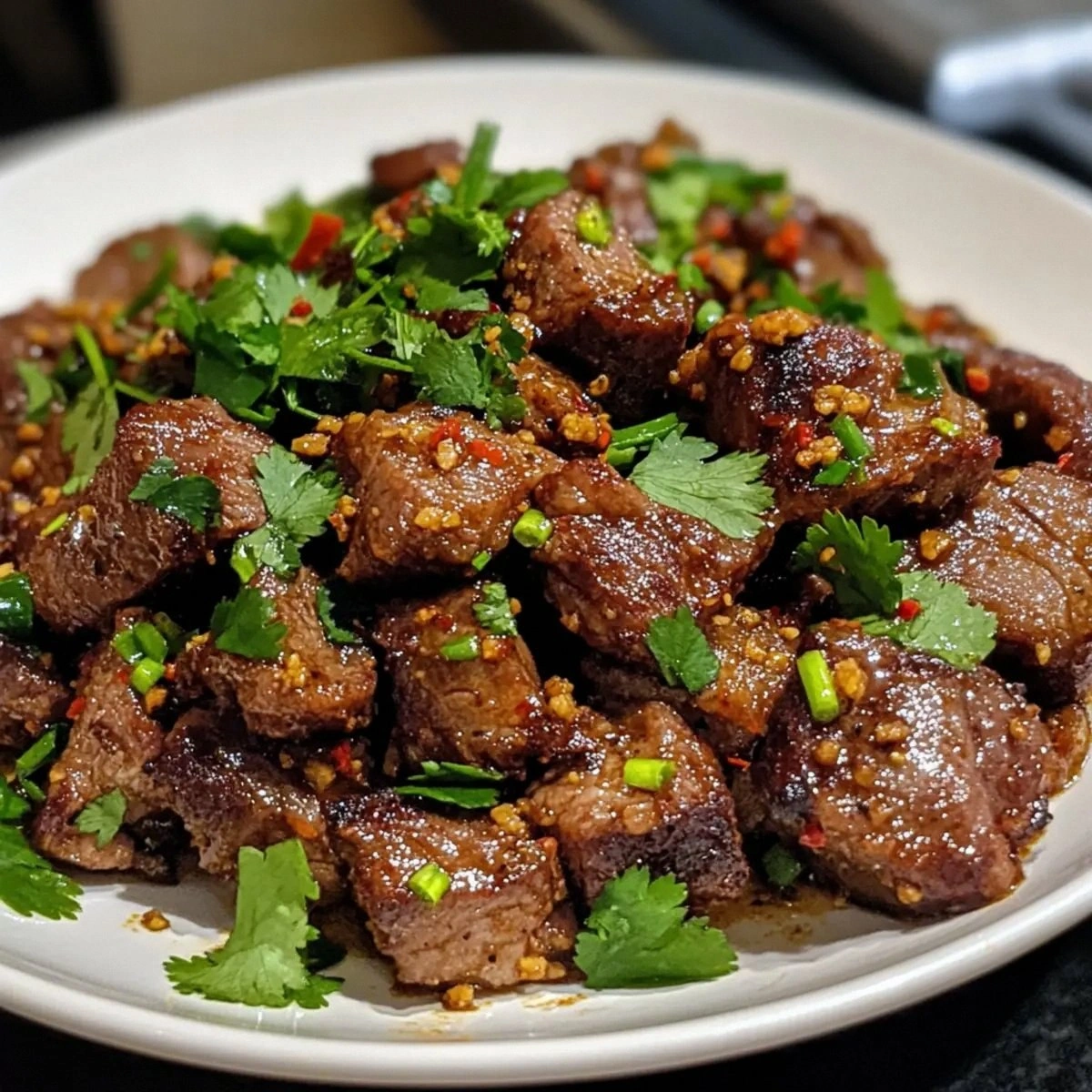
Return the rested hamburger steaks to the skillet, nestling them into the creamy dill sauce. Spoon a generous amount of sauce over each patty, allowing the flavors to meld for a minute or two. Serve hot, garnished with the remaining dill, and watch as your guests dive in with gusto.
That's it — you did it. But hold on, I've got a few more tricks that'll take this to another level…
🏆 Insider Tricks for Flawless Results
The Temperature Rule Nobody Follows
Never, ever start cooking the patties in a cold pan. A hot skillet creates an instant crust that locks in juices, while a cold start results in a steamed, soggy exterior. I always preheat the pan for at least 2 minutes, testing the heat by flicking a few drops of water — they should dance, not sizzle. If you’re using a cast‑iron skillet, let it heat a bit longer; the even heat distribution is perfect for a uniform sear. Trust this rule, and you’ll never have a flat, flavorless patty again.
Why Your Nose Knows Best
Your sense of smell is the ultimate doneness gauge. When the onions turn golden and the garlic becomes aromatic, you know the flavor base is ready. Likewise, the moment the sauce starts to coat the spoon and emits a buttery, slightly nutty scent, it’s at the perfect thickness. If you’re ever unsure, trust that nose over a timer; it’s more reliable than any kitchen gadget.
The 5‑Minute Rest That Changes Everything
Just like a steak, these hamburger steaks benefit from a brief rest after cooking. Letting them sit for 5 minutes under a loose foil tent lets the juices redistribute, preventing a dry bite. Skipping this step is the most common mistake I see in rushed kitchens, and the result is a sad, crumbly patty. While the meat rests, you can finish the sauce or set the table, making efficient use of time.
Dill Timing – The Freshness Factor
Add the dill at the very end, right before serving, to preserve its bright, herbaceous flavor. If you toss it in too early, the delicate oils evaporate, leaving a muted taste that can’t compete with the cream. A quick stir and a sprinkle of extra dill on top adds a visual pop and a burst of freshness that elevates the entire dish.
The Secret Flour Mix
Instead of dumping flour straight into the pan, whisk it with a splash of broth first to create a slurry. This prevents lumps and ensures a silky sauce that clings to the steak like a second skin. If you accidentally get a few lumps, keep whisking vigorously over low heat; the sauce will smooth out in a minute.
🎨 Creative Twists & Variations
This recipe is a playground. Here are some of my favorite ways to switch things up:
Mushroom‑Infused Magic
Sauté a cup of sliced cremini mushrooms with the onions and garlic, then proceed with the sauce as written. The earthy mushrooms add depth and a meaty umami boost, perfect for mushroom lovers who want a richer bite.
Spicy Kick
Add a teaspoon of smoked paprika to the meat mixture and a pinch of red pepper flakes to the sauce. The subtle heat pairs beautifully with the cool dill, creating a balanced flavor profile that wakes up the palate.
Cheesy Overload
Stir in ½ cup of shredded sharp cheddar into the sauce just before adding the dill. The cheese melts into the cream, giving the sauce a luscious, tangy richness that will make cheese aficionados swoon.
Mediterranean Flair
Swap the dill for a tablespoon of chopped fresh oregano and add a handful of kalamata olives to the sauce. The briny olives and herbaceous oregano turn the dish into a sun‑kissed Mediterranean delight.
Low‑Carb Swap
Replace the breadcrumbs with almond flour, and serve the steaks over cauliflower rice instead of mashed potatoes. This version keeps the flavor intact while cutting down on carbs, perfect for keto enthusiasts.
❄️ Storing & Bringing It Back to Life
Fridge Storage
Allow the steaks and sauce to cool to room temperature, then transfer them to airtight containers. Store in the refrigerator for up to 3 days. When reheating, place the steak and sauce in a skillet over low heat, adding a splash of chicken broth or water to revive the sauce’s silkiness.
Freezer Friendly
For longer storage, freeze the cooked patties and sauce separately in freezer‑safe bags or containers. They’ll keep for up to 2 months. Thaw overnight in the fridge, then reheat gently on the stove, stirring in a tablespoon of cream to bring back that luxurious mouthfeel.
Best Reheating Method
The secret to a perfect reheated dish is gentle heat and a little moisture. Add a teaspoon of water or broth to the pan before warming, cover loosely, and stir occasionally. This creates a steamy environment that prevents the sauce from drying out and keeps the steak tender.