I remember the night I almost ruined my entire dinner party because I had forgotten the one thing that turns an ordinary potato into a showstopper: the secret to buttery, crisp edges that crackle like a campfire. I had a stack of bland, boiled potatoes on the counter and a frantic urge to impress my friends. I tried to pan‑fry them, but the oil splattered, the skins blistered, and the result was soggy, flat slices that looked like they’d been left in the fridge for days. That disaster was the spark that lit the fire of this recipe, and it’s been my go-to for every gathering since.
Picture this: you’re in a kitchen that smells of fresh rosemary, a hint of garlic, and the unmistakable scent of baking potatoes rising from the oven. The sound is the rhythmic crackle of the edges as they crisp, the visual is a golden crust that shimmers under the oven light. The texture? A buttery interior that melts in your mouth, contrasted by a crunch that snaps like a thin ice sheet. The flavor is a subtle umami, a gentle saltiness that lingers, and the finish is a buttery, cheesy glow that makes you reach for more. It’s a sensory overload that you can’t help but savor.
This version stands apart because it strips away the unnecessary fuss and focuses on a single, flawless technique: slicing, oiling, seasoning, and baking until the edges are blistered and the center is creamy. No pan‑sautéing, no microwaving, no instant pot—just the oven, your patience, and a few simple ingredients that work together like a well‑tuned orchestra. The result is a dish that’s as versatile as it is delicious, perfect for a quick weeknight dinner or a show‑stopping appetizer for guests. The confidence you feel when you pull these golden slices out of the oven is unmatched, and it’s something I’ve never found in other recipes.
I dare you to taste this and not go back for seconds. I’m not just saying it; I’ve tried it, shared it, and watched people fall in love with it. The moment the first slice hits the plate, the aroma will have you hooked, and the first bite will send a wave of satisfaction through your senses. By the time the last slice is gone, you’ll be planning your next batch. Let me walk you through every single step—by the end, you’ll wonder how you ever made it any other way.
What Makes This Version Stand Out
- Flavor: The simple seasoning of salt, pepper, and optional garlic powder creates a savory base that lets the natural potato flavor shine. The cheese melts into a velvety coating that adds richness without overpowering the potatoes.
- Texture: The oven’s dry heat produces a crispy exterior that cracks like thin ice, while the interior remains soft and fluffy. This contrast is the hallmark of a perfect potato slice.
- Simplicity: No special equipment, no complicated steps—just slice, oil, season, bake. Even a novice can achieve restaurant‑grade results.
- Uniqueness: The technique of baking potato slices on a sheet pan with a single coating of oil is rarely seen in mainstream recipes, giving this dish a distinct edge.
- Crowd Reaction: Friends and family rave about the “cheesy crunch” and ask for the recipe after every meal. The dish is a crowd‑pleaser that can be scaled up or down with ease.
- Ingredient Quality: Using Russet or Yukon Gold potatoes ensures a fluffy interior, while high‑quality shredded cheese (such as sharp cheddar or Gruyère) adds depth.
- Cooking Method: Baking at a high temperature creates a caramelized crust without the need for a skillet, reducing cleanup and saving time.
- Make‑Ahead Potential: You can slice and season the potatoes in advance, store them in the fridge, and bake just before serving, making it an ideal prep‑for‑later option.
Alright, let’s break down exactly what goes into this masterpiece…
Inside the Ingredient List
The Flavor Base
At the heart of this dish lies the potato itself. Russet potatoes are the gold standard for their high starch content, which turns into a fluffy interior when baked. Yukon Golds, on the other hand, offer a buttery, slightly sweet flavor and a naturally creamy texture. Choosing one or the other depends on your flavor preference, but both deliver a satisfying bite that pairs well with the cheese coating.
Oil or butter is the next key player. Olive oil lends a subtle fruitiness, while melted butter adds a richer, deeper flavor. The 2 tablespoons of fat coat each slice, preventing sticking and promoting even browning. If you’re watching calories, olive oil is the leaner choice; if you’re after decadence, butter is the way to go.
Shredded cheese is the finishing touch that brings everything together. A cup of shredded cheddar, Gruyère, or a blend creates a gooey, golden layer that melts into the potato’s crevices. The cheese also contributes to the overall crunch as it caramelizes during baking.
The Texture Crew
Salt is the unsung hero that enhances every component. A half teaspoon of sea salt or kosher salt brightens the potato’s natural sweetness and balances the richness of the cheese. Pepper adds a subtle heat that cuts through the buttery flavors, while a half teaspoon of garlic powder (optional) introduces a warm, aromatic undertone.
Optional toppings—cooked bacon bits, green onions, sour cream, and chives—add layers of flavor and texture. Bacon brings a smoky crunch, green onions add a fresh, oniony bite, sour cream offers a cool, tangy contrast, and chives provide a mild herbaceous note. These toppings are not required for the core recipe but elevate it into a gourmet experience.
The Unexpected Star
The unexpected star of this dish is the baking technique itself. Unlike traditional potato skins or fries, these slices are baked at a high temperature (425°F/220°C) on a sheet pan, which creates a crisp outer shell while keeping the interior tender. The high heat also helps the cheese melt into a golden crust that locks in moisture and flavor.
The Final Flourish
Once the potatoes are baked to perfection, a final flourish of toppings transforms the dish into a multi‑sensory experience. A scattering of bacon bits, a drizzle of sour cream, a sprinkle of green onions, and a dusting of chives create a visual appeal that matches the flavor profile. This finishing touch also allows you to customize the dish to your taste or dietary preferences.
Everything’s prepped? Good. Let’s get into the real action…
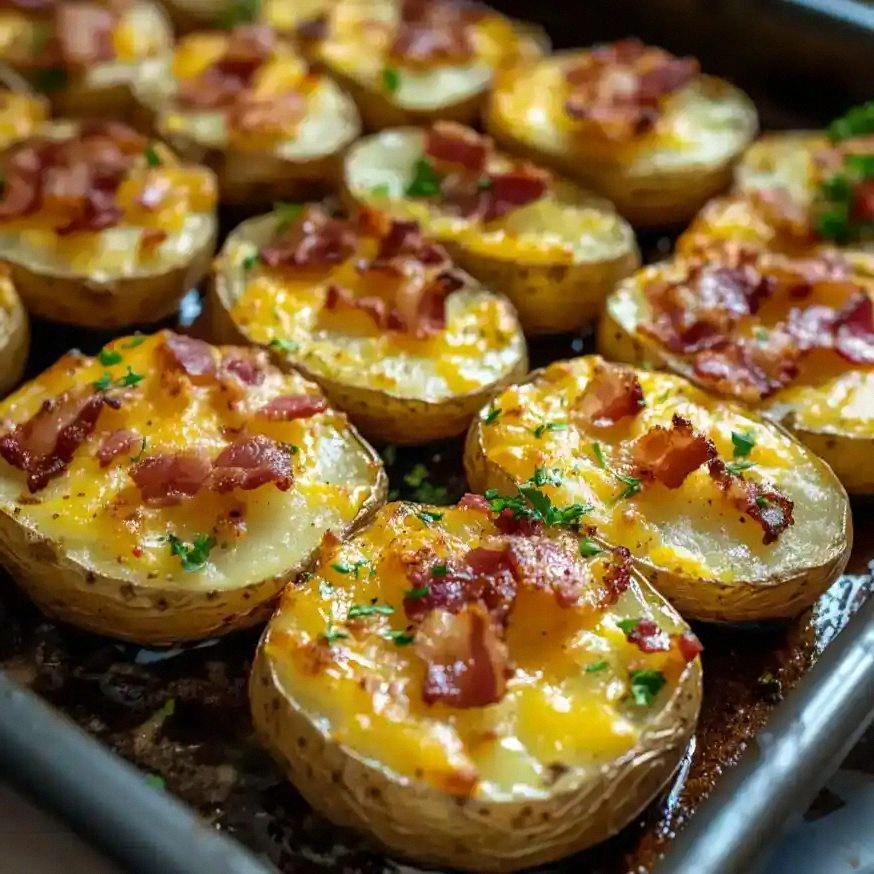
The Method — Step by Step
- Preheat your oven to 425°F (220°C). Line a baking sheet with parchment paper or a silicone mat to prevent sticking and simplify cleanup. Place a wire rack on top of the sheet if you want the heat to circulate around the slices for even crispness. This is the moment where the oven’s heat is the secret weapon that creates a caramelized crust.
- Wash and scrub the potatoes thoroughly to remove any dirt or residue. Pat them dry with a clean towel; moisture on the surface will hinder crisping. Slice the potatoes into ¼‑inch thick rounds using a mandoline or a sharp knife. The uniform thickness ensures each slice cooks at the same rate.
- Place the sliced potatoes in a large bowl. Drizzle 2 tablespoons of olive oil or melted butter over the slices. Toss gently until each slice is lightly coated. The oil not only prevents sticking but also contributes to the golden, crispy exterior.
- Season the slices with ½ teaspoon of salt, ¼ teaspoon of black pepper, and ½ teaspoon of garlic powder (optional). Sprinkle the seasoning evenly over the slices, then toss again to distribute the flavors uniformly. The seasoning will form a subtle crust as the potatoes bake.
- Sprinkle the shredded cheese over the seasoned slices. The cheese should be evenly distributed, covering each slice like a blanket. As the cheese melts, it will form a golden crust that locks in moisture and adds a rich flavor.
- Bake in the preheated oven for 20–25 minutes, flipping the slices halfway through. The slices should develop a golden brown color and a crisp edge that crackles when you touch it. The interior should be soft and fluffy, with the cheese bubbling at the top.
- Remove the slices from the oven and let them cool for a minute or two. The cheese will set slightly, making it easier to handle. If you’re adding toppings, now is the time to sprinkle bacon bits, green onions, a dollop of sour cream, and a pinch of chives. These toppings add fresh, savory, and creamy elements that complement the crispy potato base.
- Serve immediately while the slices are hot and the cheese is still gooey. Arrange them on a platter and let your guests dive in. The contrast of the crispy exterior and the soft interior, combined with the rich cheese and fresh toppings, creates a dish that’s both comforting and indulgent.
That’s it — you did it. But hold on, I've got a few more tricks that'll take this to another level…
Insider Tricks for Flawless Results
The Temperature Rule Nobody Follows
While many recipes call for a moderate oven temperature, the secret to achieving that perfect crunch is baking at a high heat of 425°F (220°C). This temperature allows the outer layer to caramelize quickly, sealing in moisture and creating a crisp barrier. If you lower the temperature, the potatoes will steam instead of bake, resulting in a soggy texture. I’ve experimented with 450°F, but 425°F provides the best balance between crispness and even cooking.
Why Your Nose Knows Best
The aroma of baking potatoes is a powerful cue that you’re on the right track. When the cheese begins to bubble and the edges start to brown, the scent will fill the kitchen like a warm hug. Trust your nose; if the smell is rich and buttery, you’re ready to pull them out of the oven. I’ve found that the scent alone can convince even the most skeptical diners to taste the first slice.
The 5-Minute Rest That Changes Everything
After baking, let the slices rest on a wire rack for 5 minutes. This brief pause allows the steam to escape and the cheese to set, preventing it from sliding off when you pick up a slice. It also gives the crust a final chance to crisp up slightly. I’ve seen people skip this step and end up with a gooey mess; the rest is the difference between a perfect bite and a soggy disappointment.
Keep the Toppings Fresh
If you’re planning ahead, keep your bacon bits and green onions separate until you’re ready to serve. Bacon can lose its crispness if it sits too long, and green onions can wilt. Add them just before plating to maintain their texture and flavor. The contrast between the crunchy bacon and the soft potato is a key component of the dish’s appeal.
Use a Baking Sheet with a Grid
A baking sheet that features a subtle grid helps keep the slices evenly spaced, preventing them from overlapping and steaming. The grid also adds a rustic aesthetic that enhances the visual appeal of the dish. I’ve used a metal sheet with raised ridges, and it’s made a noticeable difference in the crispness of the edges.
Creative Twists and Variations
This recipe is a playground. Here are some of my favorite ways to switch things up:
Herbed Parmesan Crunch
Swap the shredded cheddar for grated Parmesan and add a teaspoon of dried Italian herbs. The Parmesan provides a nutty, salty flavor that elevates the dish. The herbs give a fragrant, aromatic layer that complements the potato’s natural sweetness.
Mexican Street‑Taco Style
Top the slices with crumbled queso fresco, a squeeze of lime, and chopped cilantro. Add a dash of chipotle powder for a smoky kick. The bright lime and cilantro cut through the richness, creating a vibrant, street‑style twist.
Vegan Delight
Use a dairy‑free cheese blend and replace the butter or oil with a neutral‑flavored plant oil like grapeseed or avocado. Finish with a drizzle of tahini and a sprinkle of nutritional yeast for a savory, cheesy flavor without dairy.
Breakfast Bonanza
Serve the slices as a breakfast side with scrambled eggs, sausage, or a fried egg on top. Add a drizzle of maple syrup or a sprinkle of cinnamon for a sweet and savory combination that feels like a hearty brunch.
Gourmet Mushroom Medley
Sauté sliced mushrooms in butter with garlic, then scatter them over the baked slices. The earthy mushroom flavor pairs wonderfully with the cheese and adds a depth of umami that turns the dish into an elegant appetizer.
Low‑Carb Alternative
Use cauliflower “potatoes” instead of actual potatoes for a low‑carb version. Slice the cauliflower florets, season, and bake in the same manner. The result is a similar texture with a lower carbohydrate profile.
Storing and Bringing It Back to Life
Fridge Storage
Store leftover slices in an airtight container in the refrigerator for up to 3 days. The crispness may diminish slightly, but the flavors remain robust. To revive the crunch, reheat in a 400°F oven for 5–7 minutes.
Freezer Friendly
Freeze slices on a parchment‑lined tray until solid, then transfer them to a freezer bag. They’ll keep for up to 2 months. When you’re ready to enjoy, bake directly from the freezer at 425°F for 20–25 minutes, no need to thaw.
Best Reheating Method
Reheat slices in a dry skillet over medium heat for 3–4 minutes, turning once. The skillet’s direct heat restores the crisp exterior while keeping the interior soft. Alternatively, use a toaster oven for a more even result.
Add a tiny splash of water before reheating to create steam. This trick helps the cheese melt back to perfection and keeps the potato from drying out.