Picture this: a cramped kitchen, a blinking stove, and a stack of forgotten chicken breasts that have been staring at me like a silent threat. I was halfway through a week of bland takeout when I realized I needed a dinner that would impress my roommate without breaking the bank. That moment of culinary crisis turned into a revelation, and I dove headfirst into the world of Italian-inspired sauces, hoping to rescue the evening from mediocrity. I was about to discover a dish that would become my new go-to, and I can’t wait to walk you through every single step — by the end, you’ll wonder how you ever made it any other way.
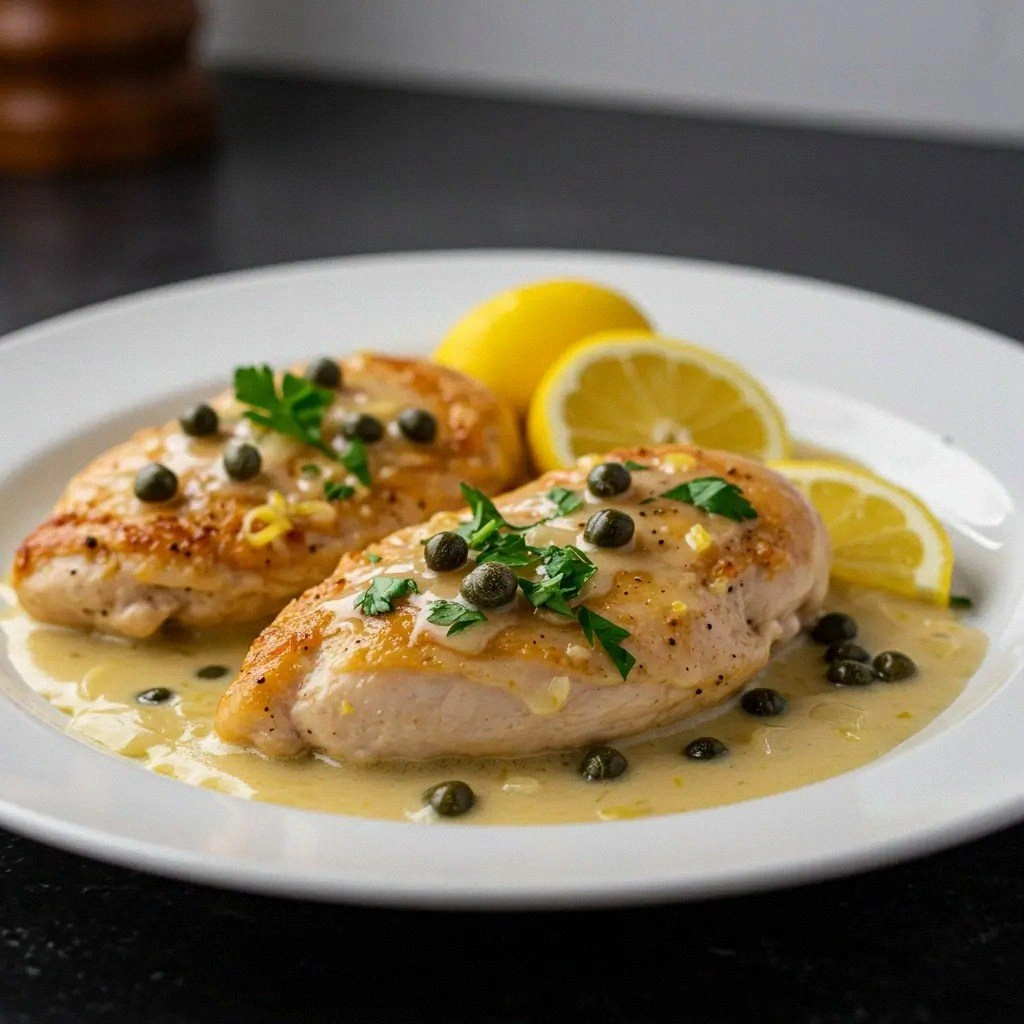
I’ve tried countless versions of chicken piccata over the years, from the textbook recipe that feels a bit too dry to the overly saucy ones that drown the meat. The version I’m sharing today is a game-changer: it balances the bright acidity of lemon with a silky, velvety cream sauce that coats the chicken like a second skin. The secret lies in a few bold choices—like the double lemon punch, a splash of wine that adds depth, and a quick flour coating that gives the chicken a crisp, golden edge that shatters like thin ice when you bite into it. And the best part? The sauce stays light and airy, not heavy, so you can serve it over pasta, rice, or even a simple bed of sautéed greens.
What makes this recipe stand out is not just the flavor but the confidence it instills. You’ll feel like a culinary wizard when the pan sizzles, the aroma of garlic and butter fills the room, and the lemony sauce begins to thicken. The moment you taste that first bite, you’ll be shouting, “I dare you to taste this and not go back for seconds.” The dish is hands down the best version you’ll ever make at home, and I’m ready to spill all the tricks that make it so irresistible. If you’ve ever struggled with a bland chicken piccata, you’re not alone—this recipe is the fix you’ve been waiting for.
So, grab your apron, let’s get the ingredients ready, and prepare to turn a simple dinner into a showstopper. Picture yourself pulling this out of the oven, the whole kitchen smelling incredible, and your guests marveling at the golden crust and the glossy, citrusy sauce. Ready? Let’s dive in.
What Makes This Version Stand Out
- Flavor: The double lemon technique gives a bright, tangy punch that cuts through the richness of the cream and butter, creating a harmonious balance that lingers on the palate.
- Texture: The flour coating forms a crisp crust while the sauce remains silky, giving you the best of both worlds in each bite.
- Ingredient Quality: Fresh lemons, high‑grade olive oil, and a splash of dry white wine elevate the dish beyond the ordinary.
- Simplicity: With just a handful of pantry staples and a few fresh items, you can craft a gourmet meal in under an hour.
- Versatility: Serve it over pasta, rice, or a bed of sautéed spinach—each option showcases the sauce differently.
- Make‑Ahead Potential: The sauce can be prepared in advance and reheated without losing its lusciousness, making it perfect for busy weeknights.
- Crowd Reaction: Friends always ask for the recipe after tasting it, and I’ve found myself saying, “I’ll be honest—I ate half the batch before anyone else got to try it.”
Alright, let’s break down exactly what goes into this masterpiece…
Inside the Ingredient List
The Flavor Base
The foundation of this dish is a simple yet powerful combination of garlic, lemon, and capers. Garlic adds a pungent kick that’s mellowed by the butter, while the lemon provides brightness and acidity that keeps the sauce from becoming too heavy. Capers contribute a briny, slightly tangy flavor that complements the citrus and adds a subtle bite. Skipping any of these will leave the sauce feeling flat; you’ll taste the absence immediately.
The Texture Crew
Flour is the unsung hero that gives the chicken its coveted golden crust. The flour coating also helps thicken the sauce slightly, ensuring it clings to the meat. Butter and olive oil work in tandem to create a silky, glossy finish that feels indulgent without being greasy. If you’re watching calories, you can reduce the butter to one tablespoon, but the dish will still deliver that satisfying richness.
The Unexpected Star
Heavy cream might seem like an ordinary ingredient, but when combined with lemon juice and zest, it creates a luscious sauce that feels like a cloud of citrusy clouds. The cream balances the acidity, preventing the dish from becoming overly sharp. If you’re lactose intolerant, a splash of coconut milk or a dairy‑free cream can work as a substitute, though the flavor will shift slightly.
The Final Flourish
Fresh parsley and a dash of Dijon mustard add a layer of herbal freshness and a subtle tang that cuts through the richness. Parsley brightens the presentation, while the mustard adds a faint heat that lingers on the tongue. If you prefer a milder version, you can omit the mustard entirely; the dish will still be delicious.
Everything’s prepped? Good. Let’s get into the real action…
The Method — Step by Step
- Begin by patting the chicken breasts dry with paper towels; a dry surface ensures a beautiful sear. Season both sides generously with salt and pepper, then dust each piece lightly with flour, shaking off any excess. This coating will give the chicken a golden crust and help the sauce cling to the meat. If you’re feeling adventurous, add a pinch of paprika for a subtle smoky note.
- Heat the olive oil in a large skillet over medium‑high heat until shimmering. Add the chicken breasts and cook for 4–5 minutes per side, or until a deep golden brown forms and the internal temperature reaches 165°F. The sizzling sound is a cue that the Maillard reaction is working its magic. Flip the chicken only once to preserve the crust.
- Remove the chicken from the pan and set aside on a plate. In the same skillet, lower the heat to medium and add the butter, letting it melt into a rich, fragrant base. Stir in the minced garlic, cooking for about 30 seconds until the aroma is released but before it turns brown. This is the moment of truth—watch the garlic to ensure it stays bright.
- Deglaze the pan with the white wine, scraping up any browned bits with a wooden spoon. Let the wine reduce by half, which concentrates the flavor and eliminates the alcohol kick. If you’re skipping the wine, use an extra splash of chicken broth and let it reduce similarly.
- Add the chicken broth, heavy cream, capers, lemon zest, and Dijon mustard to the skillet. Stir constantly, allowing the mixture to thicken into a silky sauce that coats the back of a spoon. Taste and adjust seasoning with a pinch more salt if needed. The sauce should be glossy and cling to the chicken, not run off the pan.
- Return the chicken breasts to the skillet, spooning some sauce over them. Reduce the heat to low and let them simmer for 5–7 minutes, allowing the flavors to meld and the chicken to finish cooking. The internal temperature should be 165°F, and the sauce should thicken to a luscious consistency.
- Stir in fresh lemon juice, then finish with chopped parsley for a burst of color and freshness. Give everything a quick stir, ensuring the sauce is evenly distributed. The final splash of lemon juice adds a bright finish that lifts the entire dish.
- Serve immediately, spooning the sauce over the chicken. Pair it with your favorite pasta, rice, or a bed of sautéed greens. Garnish with a few extra capers or a wedge of lemon for a dramatic flourish. Enjoy the symphony of flavors that will have everyone asking for seconds.
That’s it—you did it. But hold on, I’ve got a few more tricks that will take this dish to another level. These insider tips are the secret sauce that turns an already amazing recipe into an unforgettable meal.
Insider Tricks for Flawless Results
The Temperature Rule Nobody Follows
Cooking the chicken at the right temperature is key. If the heat is too high, the exterior will brown quickly while the interior remains undercooked. Aim for medium‑high for the sear, then reduce to medium for the sauce. I’ve found that a quick sear followed by a gentle simmer preserves juiciness and prevents the chicken from drying out.
Why Your Nose Knows Best
Trust your nose when the sauce starts to thicken. The aroma of lemon and cream mingling will tell you it’s ready. If you’re unsure, give it a quick stir and look for a glossy sheen. The smell should be bright, not metallic.
The 5‑Minute Rest That Changes Everything
After you remove the chicken from the pan, let it rest on a cutting board for five minutes. This rest allows the juices to redistribute, keeping the meat moist. Cutting into it immediately will cause the juices to spill out, leaving the chicken dry.
The Secret to a Perfect Sauce Consistency
If the sauce is too thick, add a splash of chicken broth or a tablespoon of water. If it’s too thin, let it simmer uncovered for a few more minutes. A quick cornstarch slurry can also help thicken without altering the flavor.
The Freshness Boost
Add a handful of fresh arugula or spinach at the end of cooking; the heat will wilt the greens, creating a vibrant, slightly peppery contrast to the creamy sauce. This is a quick way to add nutrition and color to the plate.
Creative Twists and Variations
This recipe is a playground. Here are some of my favorite ways to switch things up:
Spinach and Ricotta Swirl
Stir in a cup of ricotta and a handful of sautéed spinach into the sauce before adding the chicken. The result is a creamy, green swirl that pairs wonderfully with the lemony flavor. This version is perfect for a cozy, comforting dinner.
Pesto Infusion
Swap the parsley for a tablespoon of basil pesto, adding a herbaceous depth that complements the lemon. The pesto’s pine nuts and garlic add texture and a nutty undertone. Serve over linguine for a Mediterranean twist.
Sriracha Kick
Add a teaspoon of Sriracha to the sauce for a subtle heat that balances the sweetness of the lemon. The spicy finish makes this dish a crowd‑pleaser at parties. Pair it with a chilled glass of white wine to tame the heat.
Coconut‑Cream Variant
Replace the heavy cream with coconut milk for a tropical twist. The coconut’s natural sweetness pairs beautifully with the lemon, creating a dessert‑like sauce. Serve with grilled shrimp for a seafood feast.
Herb‑Crusted Chicken
Coat the chicken in a mixture of breadcrumbs, grated Parmesan, and dried herbs before frying. The crust adds a crunchy texture that contrasts with the silky sauce. This version is ideal for a dinner that feels both rustic and refined.
Storing and Bringing It Back to Life
Fridge Storage
Store the sauce in an airtight container in the refrigerator for up to four days. The flavors will deepen, making it even more delicious for a quick weeknight meal. Keep the chicken separate to preserve its texture.
Freezer Friendly
Freeze the sauce in a freezer‑safe container for up to two months. Reheat in a saucepan over low heat, stirring frequently. The sauce will thicken slightly; add a splash of water or broth to restore its original consistency.
Best Reheating Method
When reheating, add a tiny splash of water before heating. This steams the sauce back to perfection, preventing it from drying out. Simmer gently until heated through, then serve immediately.