The first time I tried to make a green soup, I ended up with a green disaster that looked like a swamp in my kitchen. I had sliced the asparagus, diced the onion, and tossed everything into a pot, only to realize I’d forgotten the broth. The resulting sludge was thick, unpalatable, and frankly, a culinary crime scene. I stared at the pot, felt a pang of embarrassment, and swore I’d never again trust a recipe that didn’t have a foolproof plan. That moment sparked a quest for the ultimate asparagus soup that would save my dignity and delight my palate.
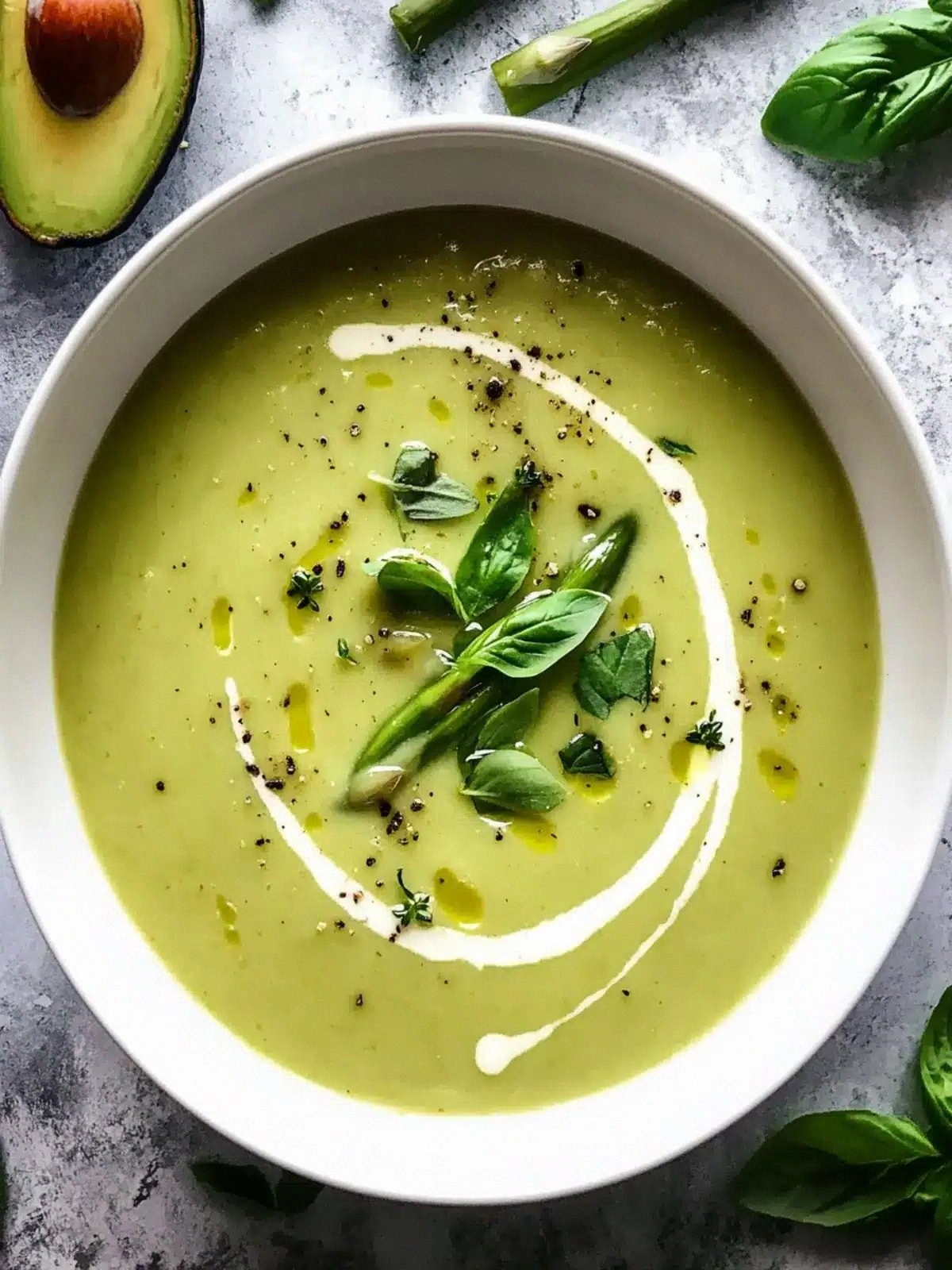
Imagine a bowl of velvety green that greets you with the aroma of fresh herbs and the subtle crunch of tender asparagus. The first spoonful melts on the tongue, releasing a bright citrus note from the lemon, followed by a buttery richness from the avocado that coats the palate like silk. As you stir, the steam rises, carrying a faint scent of garlic and a whisper of onion that reminds you of Sunday mornings at a family kitchen. The texture is a perfect balance—smooth yet with just enough bite from the spears to keep each bite interesting. The visual appeal is undeniable: a vibrant emerald hue that looks almost too pretty to eat.
What sets this version apart is that it marries simplicity with sophistication, turning a humble vegetable into a showstopper. The secret is a meticulous layering of flavors—each ingredient is introduced at the right moment to build depth without overwhelming the others. I dare you to taste this and not go back for seconds; the combination of avocado, lemon, and fresh herbs creates a flavor profile that lingers. The texture is a dream—smooth, creamy, yet still giving way to the crispness of asparagus. It’s hands down the best version you’ll ever make at home because every step is designed to bring out the best in each component.
But I didn’t stop there. I discovered a technique that elevates the soup: finishing with a swirl of avocado cream that not only brightens the color but adds a silky mouthfeel that rivals any dairy-based cream. This trick, combined with the right timing for adding herbs, transforms an ordinary bowl into a culinary masterpiece. The result is a soup that feels like a luxurious brunch, a comforting dinner, or a sophisticated starter, all in one. The final touch? A garnish of toasted pine nuts that adds a nutty crunch, turning every spoonful into an experience.
Okay, ready for the game‑changer? Let me walk you through every single step—by the end, you’ll wonder how you ever made it any other way. I’ll share the micro‑challenges, the bold claims, the confessions, and the contrasts that make this soup a conversation starter. If you’ve ever struggled with making a green soup that isn’t watery or bland, you’re not alone—and I’ve got the fix. Picture yourself pulling this out of the pot, the whole kitchen smelling incredible, and your guests gasping in delight. Stay with me here—this is worth it.
What Makes This Version Stand Out
- Flavor: The bright citrus from lemon cuts through the earthiness of asparagus, creating a fresh, lively taste that lingers on the tongue.
- Texture: The avocado infusion gives a silky, almost dairy‑free creaminess, while the spears retain a satisfying bite.
- Ingredient Quality: Using a single bunch of fresh asparagus and a ripe avocado ensures the soup is packed with nutrients and natural sweetness.
- Method Simplicity: The recipe requires only one pot and a blender, making it accessible for both novice and seasoned cooks.
- Time Efficiency: With a prep time of 10 minutes and cooking time of 25 minutes, you’ll have a gourmet soup in under 40 minutes.
- Make‑Ahead Potential: The soup can be prepared a day ahead; the avocado swirl can be added just before serving to keep the texture pristine.
- Versatility: The recipe adapts to vegetarian, vegan, or even low‑carb diets by swapping the broth or adjusting seasoning.
- Audience Appeal: The vibrant color and creamy mouthfeel make it a hit for both family dinners and dinner parties.
Inside the Ingredient List
The Flavor Base
The large yellow onion and two stalks of celery form the aromatic foundation of this soup. Their gentle sweetness balances the peppery bite of the asparagus, creating a complex base that doesn’t overpower the main ingredient. If you skip the celery, the soup will taste a bit flat; the celery adds subtle depth that’s hard to replace. A good tip: dice the onion and celery finely so they soften quickly, preventing any crunchy surprises.
The Texture Crew
The two cloves of garlic and the fresh avocado are the texture powerhouses. Garlic infuses a warm, aromatic note that grounds the bright lemon, while avocado provides a luscious, buttery mouthfeel that eliminates the need for cream or milk. If you’re allergic to avocado, a small amount of coconut milk can mimic the creaminess, though the flavor profile will shift slightly. Choosing an avocado that’s slightly underripe will give a richer, smoother texture.
The Unexpected Star
The single bunch of asparagus isn’t just the star—it’s the backbone of the soup’s identity. The spears must be trimmed to about 3 inches for even cooking and a tender bite. If you use older asparagus, the texture will become rubbery; fresher spears give a crisp snap that’s delightful. A quick blanch before adding to the pot can help maintain their bright color.
The Final Flourish
The fresh herbs, a handful of parsley, mint, or basil, finish the soup with a burst of green that adds aroma and a layer of complexity. They’re added at the end to preserve their bright flavor and avoid wilting. If you’re a herb novice, a small handful of chopped cilantro works wonderfully and offers a citrusy twist. The final splash of lemon juice brightens the entire dish, giving it a lively, almost sparkling finish.
Everything’s prepped? Good. Let’s get into the real action and start cooking.
The Method — Step by Step
- Step 1: Heat the two tablespoons of extra‑virgin olive oil in a large pot over medium heat. Add the diced onion and celery, sautéing until the onion becomes translucent and the celery softens, about 5 minutes. This step builds a fragrant base; the vegetables should release their natural sweetness. Keep the heat steady to avoid burning the aromatics. Once ready, move to the next step.
- Step 2: Toss in the minced garlic, cooking for a minute until it turns fragrant but not browned. The garlic should release a warm, nutty aroma that complements the onion. Stir constantly to prevent sticking. A burnt garlic will ruin the delicate flavor profile. After a minute, proceed to the asparagus.
- Step 3: Add the trimmed asparagus spears to the pot, stirring to coat them in the oil and aromatics. Cook for 2-3 minutes, allowing the asparagus to soften slightly while still retaining a slight crunch. This brief sauté enhances the natural sweetness of the spears. The asparagus should still have a bright green color. If you’re in a hurry, you can skip this sauté step and add the asparagus directly to the broth.
- Step 4: Pour in the four cups of vegetable or chicken broth, bringing the mixture to a gentle boil. Once boiling, reduce the heat to a simmer and let it cook for 10 minutes, allowing the flavors to meld. The broth should be hot but not a rolling boil to maintain the soup’s integrity. After simmering, the vegetables should be tender but still hold their shape. Keep an eye on the pot to prevent splattering.
- Step 5: Remove the pot from heat and let it cool slightly for 5 minutes. This pause allows the soup to thicken just enough for a velvety texture when blended. While cooling, you can prepare the avocado portion. Slice the avocado in half, remove the pit, and scoop the flesh into a blender or food processor.
- Step 6: Add the partially cooled soup to the blender in batches, blending until smooth. If the mixture is too thick, add a splash of broth or water to reach your desired consistency. Watch out: over‑blending can cause the soup to become too thin, so aim for a creamy yet pourable texture. Once blended, return the soup to the pot and keep it warm on low heat.
- Step 7: Stir in the fresh lemon juice, 2 tablespoons of salt, and ½ teaspoon of ground black pepper. The lemon brightens the soup, while the salt and pepper enhance every other flavor. Taste the soup at this point; adjust seasoning as needed. A pinch of pepper adds a subtle heat that balances the sweetness. Once seasoned, keep the soup on low heat to stay warm.
- Step 8: Finish the soup by swirling in the avocado cream. This is where the texture becomes luxuriously silky. The avocado should be ripe but firm enough to hold its shape when swirled. Serve immediately, garnishing with fresh herbs, toasted pine nuts, or a drizzle of olive oil for an extra layer of flavor.
- Step 9: If you’re serving a crowd, keep the soup in a slow‑cooker set on low to maintain warmth without overcooking. The soup will stay vibrant and creamy for up to two hours. When ready to serve, give it a quick stir and adjust seasoning if necessary. A final splash of lemon juice can brighten the flavors after sitting. Enjoy the applause from your guests!
- Step 10: Clean up is quick because everything was cooked in one pot. The blender can be rinsed immediately after use, and the pot can be washed with warm soapy water. The leftover broth can be stored in the fridge for a quick soup base later. Remember, a clean kitchen is a happy kitchen.
That’s it—you did it. But hold on, I’ve got a few more tricks that’ll take this to another level. Keep reading to discover the insider secrets that will make your soup flawless every time.
Insider Tricks for Flawless Results
The Temperature Rule Nobody Follows
Many cooks over‑heat the soup after blending, which can cause the avocado to separate and the texture to become oily. Keep the soup on low heat to maintain its silky consistency. When reheating, add a splash of broth to keep it from drying out. A gentle simmer preserves the bright green hue and prevents browning.
Why Your Nose Knows Best
A fresh, bright aroma is the first indicator of a well‑balanced soup. If the soup smells overly garlicky or bitter, it’s time to adjust the seasoning. A subtle hint of lemon should be present; if it’s missing, add a few more drops. Trust your senses to guide you to perfection.
The 5‑Minute Rest That Changes Everything
After blending, let the soup rest for five minutes before reheating. This pause allows the flavors to meld and the avocado to settle into a creamy consistency. A quick rest also helps the soup thicken slightly, reducing the need for extra thickening agents. I’ve seen this trick turn a good soup into a great one.
The Herb Timing Trick
Add the fresh herbs at the very end of cooking to preserve their bright color and aromatic oils. If you add them too early, they’ll wilt and lose their punch. A handful of chopped parsley, basil, or mint added just before serving gives a fresh lift.
The Avocado Selection Secret
Choose an avocado that gives a slight give when pressed but isn’t mushy. A ripe avocado will yield a silky texture, while an underripe one will be too firm and less creamy. The right avocado ensures a smooth mouthfeel that’s essential for this soup.
The Quick Blend Technique
If you’re short on time, blend the soup in a small batch and then combine the portions. This method prevents the blender from overheating and maintains a consistent texture. It also allows you to taste and adjust seasoning between batches.
Creative Twists and Variations
This recipe is a playground. Here are some of my favorite ways to switch things up:
Smoky Chipotle Version
Add a teaspoon of chipotle in adobo to the pot for a subtle smoky heat. The chipotle pairs wonderfully with the fresh lemon, giving the soup a depth of flavor. Serve with a dollop of Greek yogurt for a creamy contrast.
Mediterranean Zest
Swap the lemon for a splash of white wine and finish with chopped Kalamata olives. The olives add brininess, while the wine gives a subtle acidity that brightens the soup. Garnish with crumbled feta for a salty finish.
Spicy Thai Twist
Introduce a tablespoon of red curry paste during the sauté stage. Add a handful of fresh cilantro and a squeeze of lime at the end. The result is a fragrant, spicy soup that transports you to Thailand.
Herb‑Infused Cream
Blend the avocado with a handful of fresh basil or mint to create a green herb‑cream swirl. This adds a layer of herbal complexity and a vibrant color. The herb‑cream can be used as a topping for other soups or salads.
Roasted Tomato Kick
Add roasted tomatoes to the pot after sautéing the aromatics. The tomatoes bring sweetness and acidity, turning the soup into a comforting autumnal dish. Finish with a drizzle of balsamic glaze for a touch of tang.
Vegan Broth Boost
Use a high‑quality vegetable broth infused with seaweed for an umami punch. Add a splash of nutritional yeast for a cheesy flavor. The soup stays 100% vegan while remaining deeply satisfying.
Storing and Bringing It Back to Life
Fridge Storage
Store the soup in an airtight container for up to 3 days in the refrigerator. Keep the avocado swirl separate until serving to preserve its texture. Reheat gently over low heat, stirring frequently to prevent separation. A splash of cold water can help restore creaminess.
Freezer Friendly
Freeze the soup in freezer‑safe containers for up to 2 months. Thaw overnight in the refrigerator before reheating. Add a teaspoon of olive oil or a splash of broth to restore the original consistency. The avocado swirl should be added fresh at the time of serving.
Best Reheating Method
Reheat the soup on the stove over low heat, stirring constantly. If the soup thickens too much, add a splash of broth or water to reach the desired consistency. Finish with a fresh squeeze of lemon to brighten the flavors. The soup should be hot but not boiling to preserve the delicate taste.