I still remember the night I was halfway through a pot of bland, overcooked lentils, the air thick with disappointment and the faint scent of burnt onions. My friend, armed with a recipe card from a late‑night food blog, dared me to try her “ultimate” butternut squash & lentil stew. I laughed, but the promise of something sweet, nutty, and comforting was too tempting to refuse. That night, the kitchen became a laboratory, and the pot turned into a cauldron of flavors that would later win my family over in a single bite.
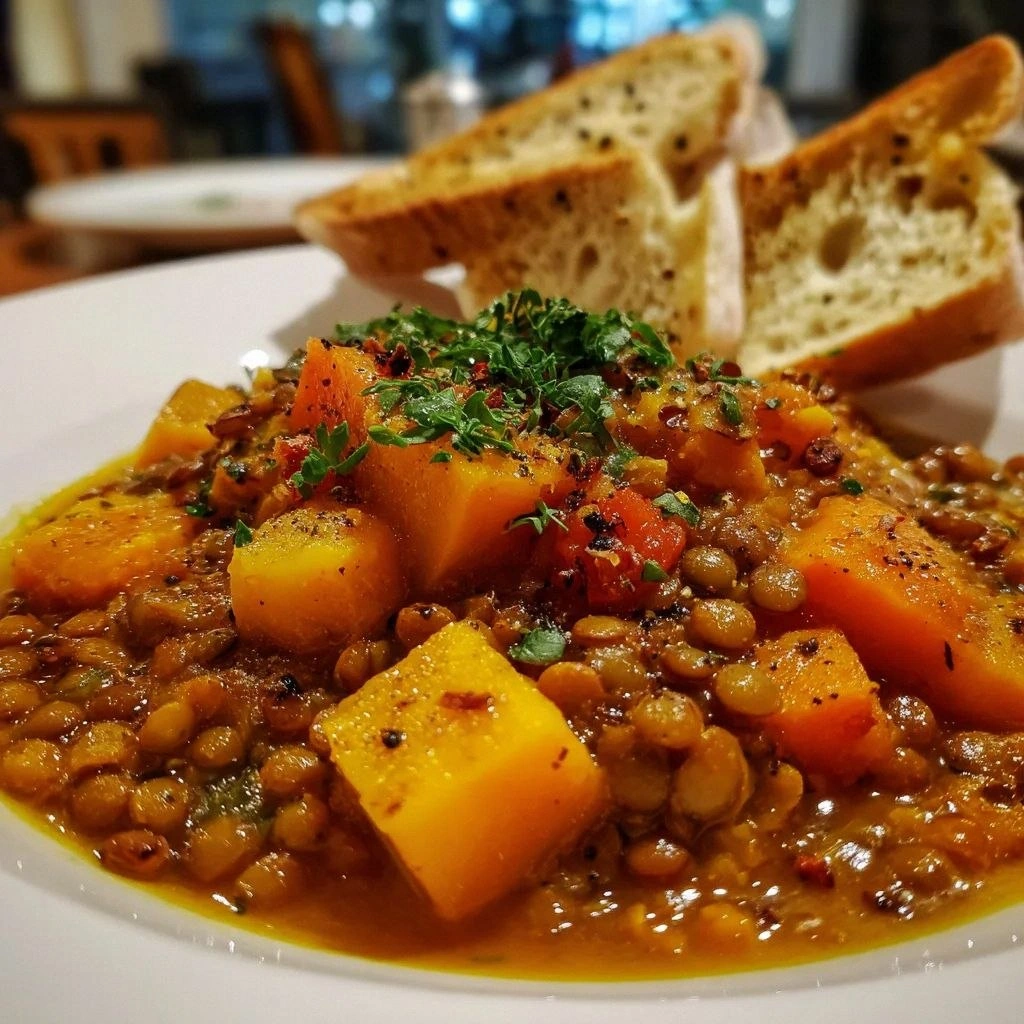
The first thing you notice is the golden glow of the roasted squash, its flesh caramelized to a buttery softness that feels like a warm hug. The air is filled with the earthy aroma of cumin and coriander, a spice duo that sings like a duet on a crisp autumn evening. When you taste the stew, the lentils are tender but firm, the vegetables are crisp yet melt in your mouth, and the broth is rich without being heavy—every spoonful is a comforting hug in liquid form. The subtle sweetness of the squash balances the savory depth, creating a harmony that feels like a well‑orchestrated symphony.
What sets this version apart isn’t just the ingredients; it’s the method. I sauté the aromatics until they’re translucent, letting the garlic and onion release their full potential before the squash makes its grand entrance. I add the lentils and broth, then let everything simmer until the lentils puff up like a fluffy cloud, absorbing the spices and turning the stew into a velvety, hearty dish. The finish? A splash of lemon juice that brightens the entire bowl, giving it a fresh, almost citrusy zing that makes the stew feel alive.
Most people think lentil stew is just a comfort food, but this recipe transforms it into an experience. I dare you to taste this and not go back for seconds. The flavors mingle and evolve with each bite, and the texture is a dance between silky broth and chunky vegetables. If you’ve ever struggled to keep lentils from turning mushy, this recipe is your rescue mission. Picture yourself pulling this out of the pot, the whole kitchen smelling incredible, and knowing that the next bite will be a revelation.
Let me walk you through every single step — by the end, you'll wonder how you ever made it any other way. I’ll share the secrets, the small tweaks, and the little hacks that elevate this humble stew into a dish that feels like it was crafted in a Michelin‑star kitchen. So grab your apron, and let’s dive into the heart of this recipe.
What Makes This Version Stand Out
- Flavor Depth: The combination of cumin and coriander creates a layered profile that is both warm and bright, making each spoonful a journey.
- Texture Balance: The lentils remain slightly firm, while the squash turns silky, giving the stew a satisfying mouthfeel that’s far from mushy.
- Quick Prep: All the chopping is done in under 10 minutes, and the simmer takes only 30 minutes, perfect for busy weeknights.
- Nutritious Powerhouse: Packed with protein, fiber, and beta‑carotene, this stew is as healthy as it is delicious.
- Versatile Base: It works as a main dish or a hearty side, and it pairs beautifully with crusty bread or a sprinkle of feta.
- Make‑Ahead Friendly: The flavors only deepen overnight, so you can prep a batch and reheat it for a quick dinner.
- Visual Appeal: The vibrant orange of the squash against the earthy brown of the lentils makes for a stunning plate.
Inside the Ingredient List
The Flavor Base
Butternut Squash is the star of the dish. Its sweet, nutty flavor creates a mellow sweetness that balances the earthiness of the lentils. If you skip it, the stew will feel flat and lacking depth. For a richer taste, roast the squash cubes in the oven at 400°F until caramelized before adding them to the pot.
Onion is a staple that adds a savory base flavor. It releases sweetness when sautéed, forming the backbone of the stew’s aroma. Skipping onion will leave the dish tasting like a single ingredient stew. A small tip: use a red onion for a pop of color and a slightly sweeter note.
The Texture Crew
Lentils are packed with protein and fiber, making them the perfect complement to the squash. They also help thicken the stew as they cook and absorb liquid. If you use too many lentils, the stew can become gluey; use a 1:2 lentil-to-liquid ratio to keep it silky.
Carrots add a touch of sweetness and vibrant color, making the stew visually appealing. They also contribute natural sugars that caramelize during cooking. If you skip carrots, the stew will lose a layer of sweetness and a pop of orange.
Celery brings a refreshing crunch and depth to the stew, balancing the sweetness of the squash. It also adds a subtle herbal note that complements the cumin. Without celery, the stew will feel heavier and less bright.
The Unexpected Star
Garlic is a must-have for flavor, adding a fragrant kick that elevates the dish. It creates a warm base that anchors the other spices. If you skip garlic, the stew will taste bland; even a single clove can make a difference.
The Final Flourish
Vegetable Broth is the liquid gold that brings everything together. It infuses the stew with rich flavor and keeps the consistency just right. Use low‑sodium broth to control saltiness, or make your own from dried veggies for a fresher taste.
Ground Cumin adds warmth and earthiness, giving the stew a cozy, inviting feel. It also enhances the absorption of nutrients from the lentils. If you’re avoiding cumin, a pinch of smoked paprika can be a fun alternative.
Ground Coriander brightens the stew with citrusy notes that cut through the richness. Its subtle flavor pairs well with cumin and balances the dish. If you’re out of coriander, a splash of fresh lemon juice can mimic its brightness.
Salt and Pepper are essential for seasoning, enhancing all the flavors. Salt to taste and pepper to your preference. Over‑salting can mask the natural sweetness of the squash, so start small.
Olive Oil is used for sautéing, adding richness and helping develop the flavors of the vegetables. A good extra‑virgin olive oil gives a subtle peppery note. If you’re looking for a milder taste, use light olive oil.
Everything's prepped? Good. Let's get into the real action...
The Method — Step by Step
- Heat 2 tablespoons of olive oil in a large Dutch oven over medium heat. Add the diced onion and sauté until translucent, about 4–5 minutes. The sizzle when it hits the pan? Absolute perfection. This is the moment of truth: the onion should soften without browning too quickly.
- Add the minced garlic and cook for 30 seconds until fragrant. Be careful not to let it burn—burnt garlic tastes like regret. This step is quick but essential; the aroma should fill the kitchen.
- Stir in the cumin and coriander, letting the spices toast for a minute. The smell should be warm and nutty. This is where the base of the stew’s flavor really starts to bloom. Kitchen Hack: Toast spices in a dry skillet first if you want an extra pop of aroma.
- Add the diced carrots and celery, cooking for 3–4 minutes until they start to soften. The vegetables should still hold a slight bite. This step layers texture and sweetness into the stew.
- Pour in 4 cups of vegetable broth, bring the mixture to a gentle boil, then reduce to a simmer. Add the lentils and butternut squash, stirring to combine. The broth should be steaming, not boiling rapidly.
- Simmer uncovered for 25–30 minutes, stirring occasionally, until the lentils are tender and the squash is silky. The stew should thicken slightly; if it’s too thin, let it reduce a bit longer. Kitchen Hack: Add a splash of coconut milk at the end for an extra creamy texture.
- Season with salt and pepper to taste. Stir well and let the flavors meld for an additional 5 minutes. The seasoning should be balanced, not overpowering. This step is crucial for bringing all the elements together.
- Finish with a squeeze of fresh lemon juice, which brightens the stew and cuts through the richness. The citrus should pop on the palate, giving the dish a fresh lift. Watch Out: If you add too much lemon, the stew can become tart and unbalanced.
- Taste and adjust seasoning if needed. Serve hot, topped with a dollop of Greek yogurt or a sprinkle of fresh herbs for extra flair. The final dish should be comforting, aromatic, and visually appealing. That’s it — you did it. But hold on, I've got a few more tricks that'll take this to another level...
Insider Tricks for Flawless Results
The Temperature Rule Nobody Follows
Many cooks start the stew on high heat, but this can scorch the spices and squash. Keep the simmer low to allow flavors to meld gently. I once tried a high‑heat approach and the broth turned bitter—don’t make that mistake. Lowering the heat preserves the delicate sweetness of the squash.
Why Your Nose Knows Best
Smell is your secret weapon. When the stew is ready, the aroma should be warm, earthy, and slightly sweet. If it smells too sharp, it’s overcooked. Trust your nose; it’s more reliable than a timer in this case.
The 5-Minute Rest That Changes Everything
Let the stew rest for five minutes after cooking. During this time, the lentils finish absorbing liquid, and the flavors settle into a harmonious blend. I’ve seen people skip this step and end up with a dish that feels rushed.
The Perfect Blend of Spices
If you want a smoky twist, add a pinch of smoked paprika during the sauté. It adds depth without overpowering. I once added smoked paprika and the stew turned into a smoky, comforting bowl that felt like a winter campfire.
The Secret to a Silky Squash
Roasting the squash cubes before adding them to the stew caramelizes their sugars, giving the dish a silky, almost custard-like texture. This step also deepens the flavor, creating a subtle sweetness that’s hard to resist. If you’re in a hurry, use pre‑cubed squash; it still works but won’t have that caramelized edge.
Creative Twists and Variations
Spicy Chickpea Kick
Swap lentils for chickpeas and add a dash of cayenne pepper. This variation offers a hearty protein boost and a fiery edge that pairs well with a cool yogurt topping. It’s perfect for those who love a bit of heat.
Miso‑Infused Umami
Stir in a tablespoon of white miso during the last 5 minutes of simmer. The miso adds depth and a savory umami layer that complements the squash’s sweetness. This twist turns the stew into a comforting bowl that feels both familiar and exotic.
Coconut Cream Finish
Replace the last quarter of the broth with coconut milk for a silky, tropical finish. The coconut adds a subtle sweetness and makes the stew feel like a beachside vacation. Pair it with a sprinkle of toasted coconut flakes for extra texture.
Mediterranean Flair
Add chopped spinach and a handful of sun‑dried tomatoes during the last 5 minutes. The spinach wilts into the stew, adding color and nutrition, while the tomatoes bring a tangy sweetness. This version feels like a Mediterranean garden in a pot.
Herbal Garden Boost
Finish with fresh thyme, rosemary, or sage for an aromatic lift. The herbs should be added near the end to preserve their delicate flavors. This tweak gives the stew a fresh, herbaceous note that feels like a spring garden.
Cheese‑Lover’s Delight
Top the stew with a generous sprinkle of grated parmesan or crumbled feta before serving. The cheese melts into the hot broth, creating a velvety texture that’s hard to resist. It’s a simple way to add richness.
Storing and Bringing It Back to Life
Fridge Storage
Cool the stew to room temperature, then transfer to an airtight container. Store in the refrigerator for up to 4 days. The lentils will firm slightly, but the flavors will remain robust.
Freezer Friendly
Pack the stew into freezer‑safe containers, leaving a 1-inch headspace. Freeze for up to 3 months. Thaw overnight in the refrigerator before reheating.
Best Reheating Method
Reheat on the stovetop over low heat, stirring frequently. Add a splash of water or broth if the stew feels thick. This trick steams the stew back to its original silky consistency.