I still remember the first time I attempted a butternut squash casserole. It was one of those gray November Sundays when the sky looked like it had forgotten how to be blue, and my apartment smelled like wet wool and procrastination. I had exactly half a squash, a block of cheese that may or may not have been older than my lease, and a vague memory of my grandmother humming while she layered vegetables in a dish. What could possibly go wrong? Forty-five minutes later, the smoke alarm was serenading the neighbors, the squash had turned into orange mush with the personality of cardboard, and I was eating cereal for dinner while side-eyeing the charred remains. Fast-forward three years and a dozen iterations, and I’ve finally cracked the code to the most swoon-worthy, soul-hugging butternut squash casserole you’ll ever pull out of an oven. Picture this: cubes of squash roasted until their edges caramelize into sweet, nutty candy; onions sautéed so slowly they practically melt into a jammy puddle; a whisper of nutmeg that makes the whole kitchen smell like a holiday postcard; and a bubbling Gruyère lid that stretches into Instagram-worthy cheese pulls. I’m not exaggerating when I say this dish has ended family feuds (something about everyone being too busy chewing to argue), convinced die-hard carnivores to ask for seconds of vegetables, and turned potluck skeptics into devoted disciples. If you’ve ever thought casseroles were just grandma-coded gluey globs, stay with me here — this is worth it. Let me walk you through every single step — by the end, you’ll wonder how you ever made it any other way.
What Makes This Version Stand Out
- Restaurant-level flavor: We roast, not steam, the squash so the edges blister and concentrate into candy-like nuggets that hold their shape under the sauce. Most recipes skip this and end up tasting like baby food.
- Two-cheese strategy: Gruyère brings nutty sophistication, while a whisper of mozzarella gives those Instagram-worthy cheese pulls. One cheese is boring; two cheeses are a party.
- 15-minute active time: While the squash roasts, you’re basically sipping coffee and pretending to be productive. Everything else happens in one skillet and one baking dish.
- Built-in vegetarian protein: A sneaky scoop of white beans purées into the sauce, so even meat-lovers feel satisfied without sausage. They’ll never notice, but their muscles will.
- Make-ahead magic: Assemble it the night before, refrigerate, and bake straight from cold the next evening. Flavors meld like a slow-cooked stew, and you look like a planning genius.
- Crunch without breadcrumbs: Toasted pumpkin seeds tossed in paprika add gluten-free snap and echo the squash theme. Bread who?
- Scalable for every crowd: Halve it for a cozy date night, double it for Thanksgiving, or turn leftovers into next-day tacos (trust me on this).
Alright, let’s break down exactly what goes into this masterpiece...
Inside the Ingredient List
The Flavor Base
Butternut squash is the Beyoncé of this concert, but even Queen B needs backup dancers. Start with a hefty two-pounder that feels heavy for its size; if it sounds hollow, it’s past prime and will taste like a cardboard box. Peel it with a Y-peeler—yes, the cheap one you bought for carrots works—then cube into ¾-inch pieces so they roast quickly without turning to complete mush. Yellow onion goes in next; look for ones with tight, papery skin and no green shoots, because those shoots signal bitterness that’ll hijack the whole sweet-savory balance. Garlic should be fresh, not the jarred stuff floating in acidic water; we’re building layers of warmth, not a chemical aftertaste.
The Texture Crew
Olive oil and butter might seem redundant, but each plays a different instrument in the orchestra. Olive oil roasts the squash at high heat without burning, while butter later mingles with flour to create a velvety béchamel that clings like a cozy sweater. Fresh sage is non-negotiable; dried sage tastes like dusty potpourri. Feel the leaves—they should be velvety and fragrant, not brittle. If you can only find sad, wilted sage, swap in thyme and no one will sue you.
The Unexpected Star
Ground nutmeg is the sneaky MVP. You need exactly 1/8 teaspoon, just enough to make guests ask, “What’s that cozy flavor?” Too much and your casserole becomes eggnog. Buy whole nutmeg and grate it on a microplane; the pre-ground stuff has the personality of sawdust. Bonus: whole nutmegs last longer than most houseplants.
The Final Flourish
Cheese is where many home cooks panic and grab the pre-shredded bag. Stop! That cellulose coating stops meltability faster than a toddler in a snowsuit. Buy a block of Gruyère and shred it yourself; it melts into nutty silk. If Gruyère feels fancy-pants, mozzarella gives you the cheese-pull money shot. And if you’re feeling crunchy, pumpkin seeds tossed with smoked paprika roast in four minutes and make you look like a culinary genius.
Everything's prepped? Good. Let's get into the real action...
The Method — Step by Step
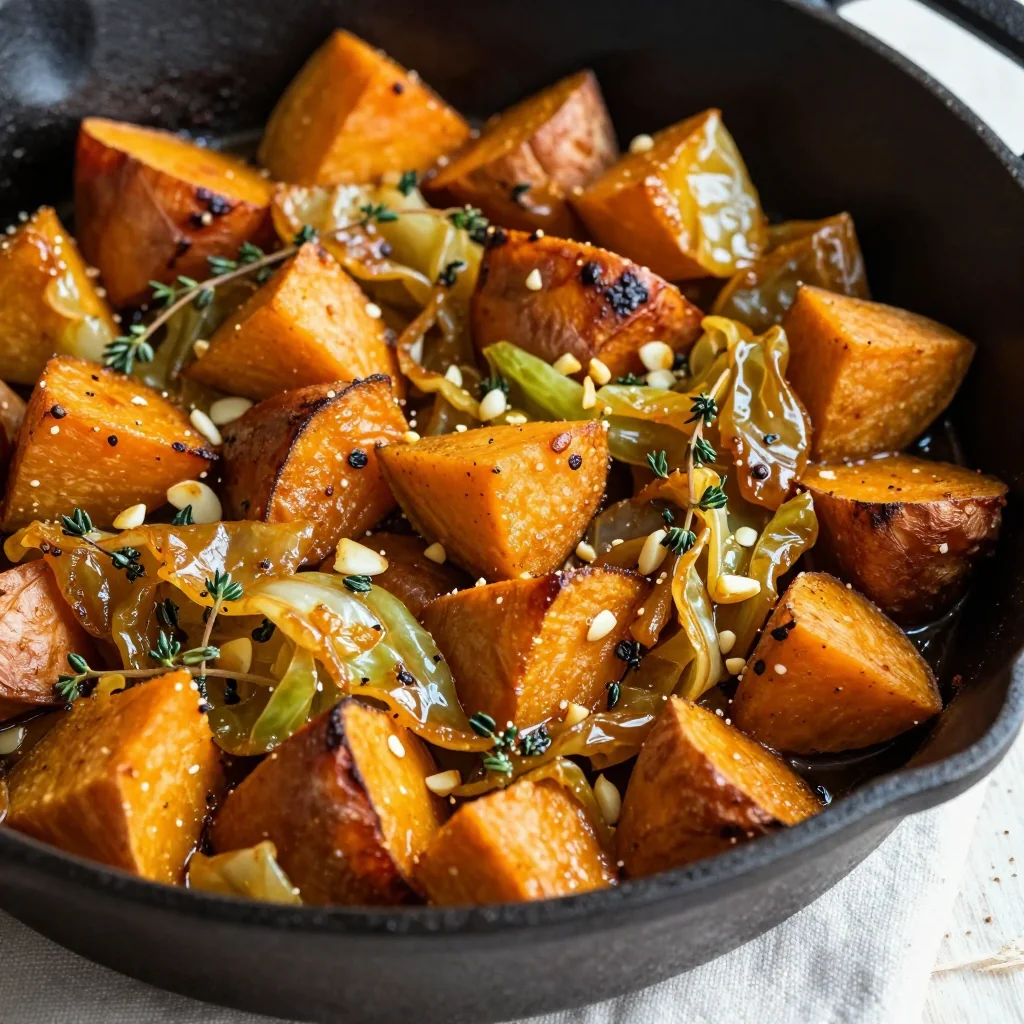
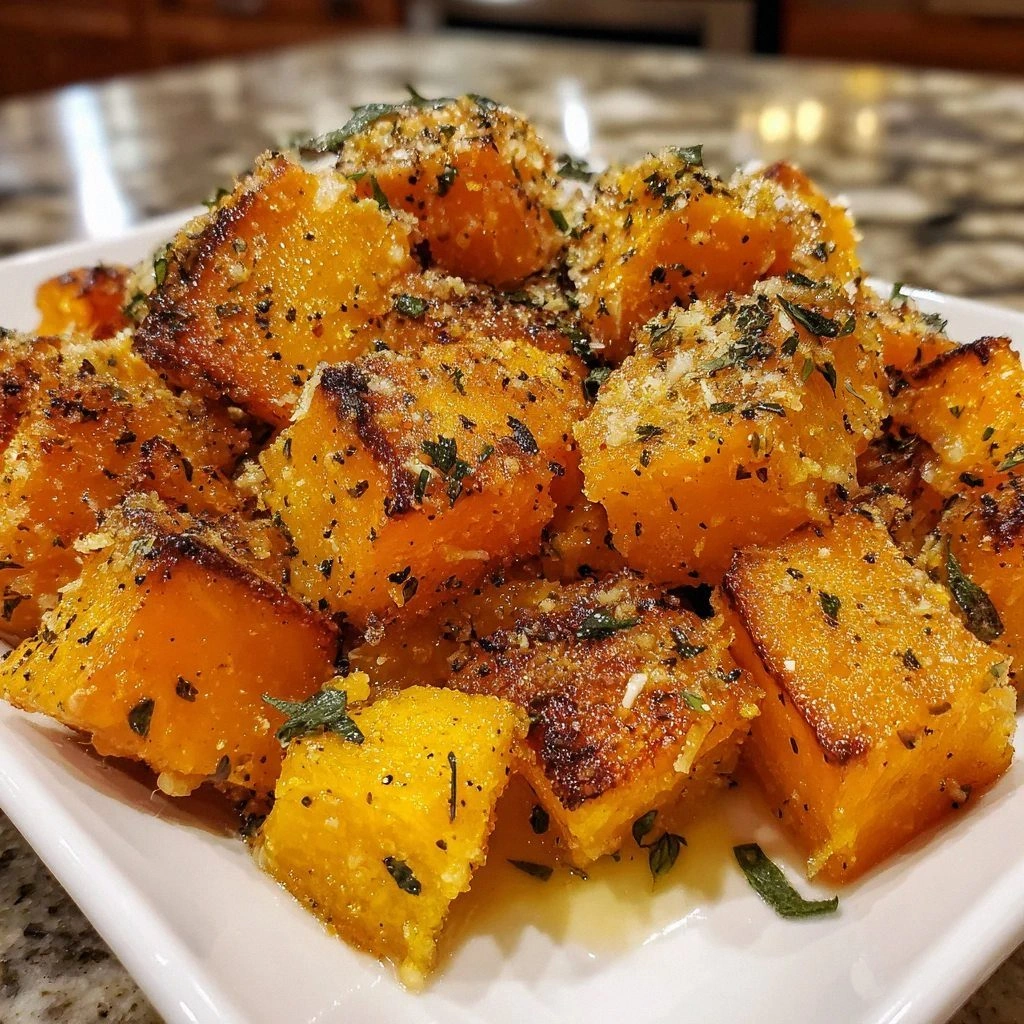
- Crank your oven to 425°F (220°C) and position a rack in the upper third; we want fierce heat to char the squash edges. While it preheats, tumble the cubed butternut onto a sheet pan, drizzle with two tablespoons olive oil, and shower with salt and pepper. Use your hands—yes, your clean hands—to massage every cube so they glisten like they’re heading to the beach. Spread them in a single layer; overcrowding is the fastest route to steamed sadness. Slide the pan in and set a timer for 20 minutes. That sizzle when it hits the pan? Absolute perfection.
- Meanwhile, melt a tablespoon of butter in a skillet over medium-low heat and tumble in the chopped onion. Stir occasionally while you sip coffee and pretend you’re on a cooking show. After about eight minutes, the onion will soften into sweet strands that look like golden hair in a Renaissance painting. Add the minced garlic and fresh sage; cook just 60 seconds more—garlic burns faster than gossip spreads. Your kitchen should smell like autumn exploded in the best possible way.
- Check the squash. The bottoms should be blistered and the edges caramelized into dark orange candy. If they’re still pale, give them five more minutes. Once done, transfer half the roasted squash to a bowl and smash with a fork; we’re creating a creamy body that will bind the casserole. Leave the rest in cubes for textural contrast. This dual identity is the game-changer most recipes skip.
- In the same skillet, melt another tablespoon of butter, whisk in two tablespoons flour, and cook for 90 seconds to form a pale roux. Slowly pour in 1½ cups milk while whisking like your life depends on it—lumps are the enemy of silky sauce. Once thickened, stir in the smashed squash, nutmeg, salt, and pepper. The sauce should coat the back of a spoon like velvet. Taste it. I dare you to taste this and not go back for seconds.
- Fold the roasted squash cubes and onion mixture into the sauce. If you’re using cooked sausage, add it now; if not, embrace the vegetarian glory. Pour everything into a buttered 2-quart baking dish and smooth the top like you’re tucking it into bed.
- Combine Gruyère and mozzarella in a bowl; sprinkle evenly over the casserole. If you want crunch, mix pumpkin seeds with a drizzle of oil and smoked paprika, then scatter on top. The cheese will melt into a bronzed blanket, while the seeds toast into tiny savory croutons.
- Bake at 375°F (190°C) for 20 minutes, until the sauce bubbles up the sides like a jacuzzi and the cheese is freckled with golden spots. Don’t walk away—the last five minutes move fast. If you like extra browning, broil for 60 seconds, but keep your face pressed to the oven window like a kid watching snow fall.
- Let the casserole rest for five minutes. I know, the aroma is tormenting you, but resting lets the sauce thicken so your first scoop holds together like a proud wedge of lasagna. Serve hot, preferably beside a glass of crisp cider and a sassy autumn salad.
That's it — you did it. But hold on, I've got a few more tricks that'll take this to another level...
Insider Tricks for Flawless Results
The Temperature Rule Nobody Follows
Most recipes tell you to bake at 350°F because it’s safe, but squash needs higher heat to caramelize. Start roasting at 425°F, then drop to 375°F once the cheese goes on. This two-temperature tango gives you blistered edges and a molten center without burnt dairy. I learned this after a sad batch that tasted like steamed library books.
Why Your Nose Knows Best
When the garlic and sage hit the butter, count slowly to 60. When you smell popcorn-like nuttiness, yank the skillet off the heat; that’s the moment flavor peaks. Overcooked garlic becomes acrid and will bully every other ingredient. Trust your olfactory bulb—it’s smarter than your phone.
The 5-Minute Rest That Changes Everything
Cover the baked casserole with foil and walk away. Set a timer, do a little victory dance, wipe the counter. During this spa moment, the starch molecules relax and absorb excess moisture, so your servings hold together like proud lasagna squares instead of sliding into slop. A friend tried skipping this step once—let’s just say it didn’t end well.
Cheese Layering Like a Pro
Instead of dumping all the cheese on top, reserve a third and add it halfway through baking. This creates a double-decker melt: the first layer fuses into the sauce, the second bronzes into a photo-ready crust. Your Instagram will thank you, and so will your taste buds.
Creative Twists and Variations
This recipe is a playground. Here are some of my favorite ways to switch things up:
Southwestern Fiesta
Swap sage for cilantro, add a cup of roasted corn, use pepper jack cheese, and stir in a spoon of chipotle purée. Top with crushed tortilla chips for crunch that shatters like thin ice. Perfect for game-day potlucks when you want to bring the heat.
Breakfast Bake
Fold in diced ham, crack four eggs on top during the last 12 minutes of baking, and serve with hot sauce. The eggs set into silky pockets and the cheese melts into breakfast nirvana. Brunch guests will volunteer to do dishes.
Mediterranean Escape
Replace nutmeg with za’atar, use feta plus mozzarella, and fold in spinach and sun-dried tomatoes. Drizzle with lemon-tahini before serving. It tastes like a Santorini sunset, minus the airfare.
Truffle Luxe
Add a whisper of truffle oil to the béchamel and use Fontina cheese. Finish with fried sage leaves. Serve this when you want to impress the in-laws or apologize for forgetting an anniversary.
Vegan Comfort
Sub olive oil for butter, use oat milk thickened with cashew cream, and swap cheese for a mix of nutritional yeast and meltable vegan cheddar. Pumpkin seeds stay for crunch. Even carnivores inhale it.
Thanksgiving Showstopper
Layer in fresh cranberries for tart pops, use thyme instead of sage, and top with candied pecans. It pairs with turkey like a cozy blanket and frees up stovetop space. You’ll be crowned the holiday hero.
Storing and Bringing It Back to Life
Fridge Storage
Let the casserole cool completely, then cover tightly with foil or transfer to airtight glass containers. It keeps four days in the fridge, though honestly it’s never lasted more than two in my house. Reheat single portions in the microwave for 90 seconds with a damp paper paper towel on top to re-steam the cheese.
Freezer Friendly
Wrap the whole dish in plastic, then foil, and freeze up to two months. Thaw overnight in the fridge before reheating. If you’re in a hurry, bake from frozen at 300°F for about an hour, covering with foil for the first 40 minutes so the top doesn’t incinerate.
Best Reheating Method
Add a splash of milk or cream before reheating—this loosens the sauce and revives the creamy texture. Warm in a 350°F oven until the center registers 165°F on an instant-read thermometer. The cheese re-bubbles like new, and your kitchen smells like you just baked it fresh.