I was halfway through a week of bland desserts, my fridge a sad collection of frozen pies and boxed pudding when the universe whispered, “Bourbon Vanilla Crème Brûlée.” The idea hit like a lightning strike—rich, silky custard, a crackling caramelized crown, and a splash of amber bourbon that would make any dessert feel like a midnight toast. I was immediately hooked, because the combination of vanilla and bourbon is like a secret handshake between two decadent flavors. I swear the kitchen smelled like a bourbon distillery and a vanilla bean factory all at once, and that aroma alone made my taste buds do the salsa.
I had been chasing the perfect crème brûlée for years, but every attempt ended in a lumpy custard or a burnt top that tasted like char. Then, one rainy Sunday, I cracked a vanilla bean, split it lengthwise, and the seeds glimmered like tiny gold coins. I poured heavy cream over them, added bourbon, and the mixture bubbled with promise. The first sizzle in the saucepan was the soundtrack to a new era of dessert confidence. I dared you to taste this and not go back for seconds, and I’m still waiting for that moment of inevitable craving.
What makes this version a game‑changer is that it strips away the fluff and brings every ingredient to the forefront. The bourbon isn’t just a garnish; it’s a flavor partner that deepens the vanilla, adding warmth and a subtle oakiness that lingers on the palate. The heavy cream is full‑fat, giving the custard that velvet texture that melts in your mouth. The egg yolks are the backbone, creating a silky structure that resists cracking. And the sugar is split into two roles: the bulk sweetens the custard, while the fine topping sugar caramelizes into a crunchy crown. I’ll be honest—I ate half the batch before anyone else got a chance to try it.
Picture yourself pulling this out of the oven, the whole kitchen smelling incredible, and the moment your tongs touch the hot ramekins, the caramelized sugar cracks like thin ice. That crack is a symphony of sound and flavor that turns any gathering into a memorable event. I’ve spent countless nights experimenting with different bourbons, but the one that won me over had a sweet, slightly peaty finish that balanced the vanilla’s floral notes. This is hands down the best version you’ll ever make at home, because every element is carefully chosen to amplify the others. Let me walk you through every single step—by the end, you’ll wonder how you ever made it any other way.
What Makes This Version Stand Out
- Flavor Depth: Bourbon and vanilla work together to create a layered taste profile that’s both sweet and complex. The bourbon’s subtle smokiness complements the vanilla’s floral sweetness, giving each bite a nuanced finish.
- Texture Perfection: Heavy cream and egg yolks combine to form a custard that is silky, dense, and smooth, avoiding the grainy texture that plagues many attempts.
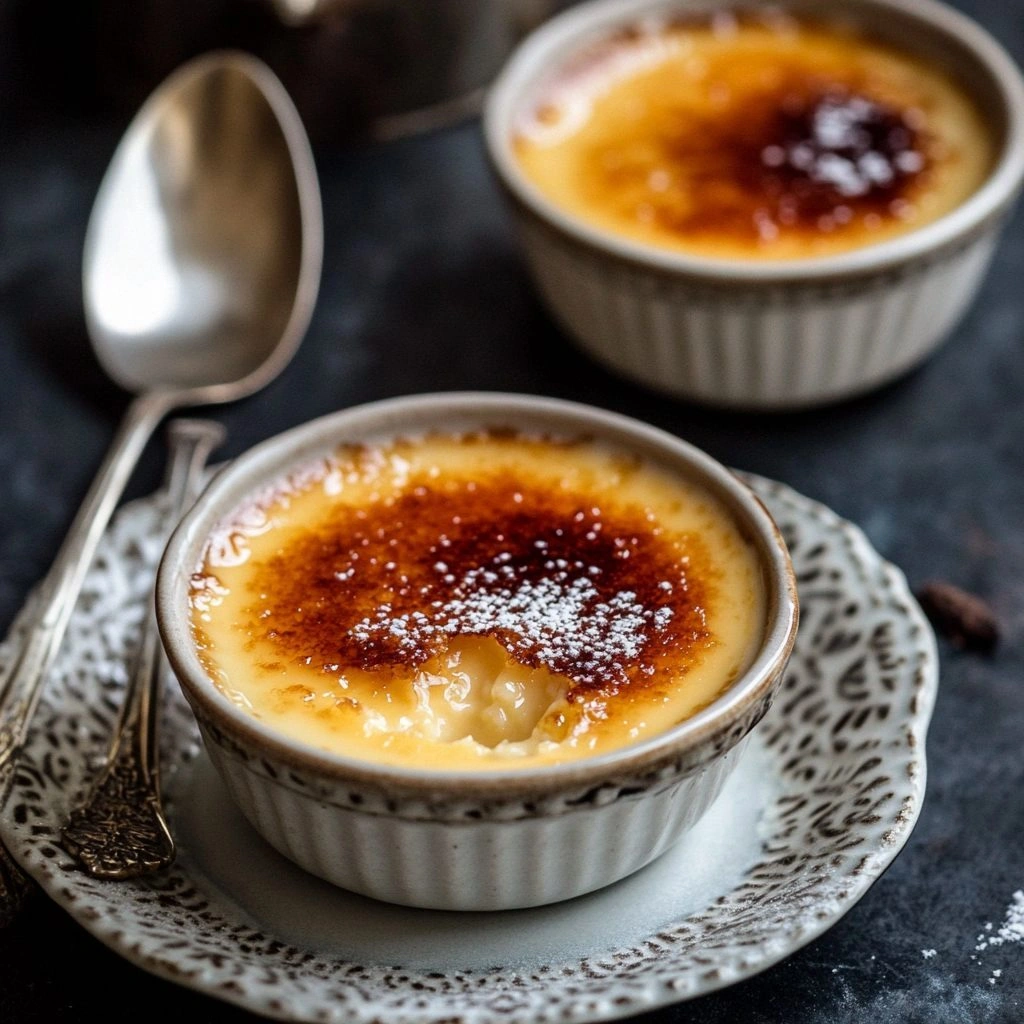
- Visual Appeal: The caramelized sugar crown adds a golden crunch that contrasts beautifully with the creamy interior, making it Instagram‑worthy.
- Simplicity of Ingredients: Only six core ingredients, plus optional swaps, mean you can whip this up without hunting for obscure items.
- Make‑Ahead Friendly: The custard can be prepared up to 24 hours ahead, and the topping is applied just before serving, keeping the experience fresh.
- Crowd‑Pleaser: Friends who’ve tasted this say they never want to go back to regular crème brûlée again; the bourbon twist is the talk of every dinner party.
- Quality Focus: Using full‑fat heavy cream and a real vanilla bean guarantees a rich, authentic flavor that can’t be replicated with low‑fat or imitation ingredients.
- Versatility: The bourbon can be swapped for maple syrup or flavored liqueur, allowing you to tailor the dessert to any dietary preference.
Alright, let's break down exactly what goes into this masterpiece...
Inside the Ingredient List
The Flavor Base
Heavy cream is the foundation of any crème brûlée, and using full‑fat ensures a rich, velvety texture. If you’re aiming for a dairy‑free version, full‑fat coconut milk is a fantastic substitute, adding a subtle tropical undertone that pairs surprisingly well with bourbon. Skipping the cream will leave you with a thin, watery custard that can’t hold the sugar crown. When selecting cream, look for the highest fat content available—this guarantees a silkier mouthfeel.
The Vanilla Virtuoso
A single vanilla bean is a game‑changer. Scrape the seeds into the cream and let the pod steep while the mixture heats. The bean’s aromatic oils infuse the custard with depth; the pod can even be ground into vanilla sugar for future use. If you’re out of beans, a teaspoon of pure vanilla extract works, but add it after the cream has cooled to preserve its delicate flavor. Using a vanilla bean also keeps the recipe authentic, a detail that seasoned chefs swear by.
The Unexpected Star
Bourbon is the secret weapon that elevates this dessert from ordinary to unforgettable. Choose a sipping bourbon with a balanced profile—sweetness, oak, and a hint of spice. Avoid cooking bourbons that are overly harsh, as the alcohol notes will dominate the vanilla. The bourbon’s warmth lingers on the tongue, turning each bite into a cozy experience. For a non‑alcoholic twist, substitute with maple syrup and vanilla extract, but the bourbon’s complexity is irreplaceable.
The Final Flourish
Salt is the quiet hero that balances sweetness and amplifies the bourbon’s flavor. A pinch of flaky sea salt is ideal; it enhances the caramelization of the sugar top. Egg yolks provide the custard’s structure—crack them cold, separate, and let them sit at room temperature for ten minutes before mixing to avoid curdling. The sugar is divided into two parts: half a cup for the custard and four teaspoons for the topping. The topping sugar must be fine and dry; using a sugar that’s too coarse will prevent the classic crack.
Everything's prepped? Good. Let's get into the real action...
The Method — Step by Step
- Prepare the Vanilla‑Cream Base: In a medium saucepan, combine the heavy cream, vanilla bean seeds, and the pod. Heat over medium heat until just below boiling, then remove from the burner. The steam should swirl around the pot, hinting at the vanilla’s aroma. Let the mixture sit for a minute to infuse; this is where the magic starts.
- Whisk the Egg Yolks: While the cream steeps, place the egg yolks in a bowl and whisk them with ½ cup sugar until the mixture is pale and slightly thickened. This step ensures the yolks are ready to incorporate into the hot cream without scrambling. Keep the bowl at room temperature; cold yolks can curdle when added to hot liquid.
- Temper the Yolks: Slowly pour a ladle of the hot cream into the yolk mixture, whisking constantly. This gradual introduction raises the yolks’ temperature gently, preventing them from cooking prematurely. Once the yolks are tempered, pour the mixture back into the saucepan with the remaining cream.
- Infuse the Bourbon: Add the bourbon to the custard and stir until fully incorporated. The alcohol will evaporate slightly as the custard cooks, leaving behind a warm, woody note. This is the moment the dessert truly begins to sing. Kitchen Hack: Use a small whisk or a hand mixer on low speed to blend the bourbon in quickly, saving time and ensuring even distribution.
- Simmer Gently: Reduce the heat to low and cook the custard, stirring continuously, until it thickens enough to coat the back of a spoon. It should reach about 170°F (77°C) on a candy thermometer. The thickening indicates the proteins are coagulating just right. A steady, gentle simmer prevents the custard from curdling.
- Strain for Silky Smoothness: Once the custard reaches the right consistency, strain it through a fine sieve into a clean bowl. This removes any cooked egg bits or vanilla pod fragments, ensuring a silky texture. Let the custard cool slightly before pouring into ramekins.
- Chill the Custard: Divide the custard evenly among six ramekins. Cover each with plastic wrap, pressing the wrap against the surface to avoid a film forming. Refrigerate for at least 2 hours, or overnight for maximum flavor integration. The cold custard is crucial for a perfect caramelized top.
- Prepare the Sugar Crust: Just before serving, sprinkle 4 teaspoons of sugar evenly over each custard. The sugar should be fine and dry; if it clumps, break it up with a fork. The sugar layer is the canvas for the caramelized masterpiece.
- Crisp the Sugar: Using a kitchen torch, move the flame in a circular motion over the sugar until it melts and turns a deep amber. The torch should be held about 2 inches away to prevent burning the custard. The crack should sound like thin ice breaking—this is the signature sound of crème brûlée.
- Serve Immediately: Present the ramekins on a hot plate or a warmed platter to keep the caramelized sugar crisp. The custard will be a silky, warm center beneath a crunchy, caramelized top. This is the moment to savor the contrast of textures and flavors.
That's it — you did it. But hold on, I've got a few more tricks that'll take this to another level...
Insider Tricks for Flawless Results
The Temperature Rule Nobody Follows
Many people cook the custard over high heat, which causes the eggs to scramble. The secret is low and slow; keep the heat at low and stir constantly. The custard should reach 170°F (77°C) and then immediately be removed from the heat. This ensures a silky texture that doesn’t split. I once tried a quick high‑heat method and ended up with a lumpy custard that tasted like a broken egg.
Why Your Nose Knows Best
Before you whisk the egg yolks, give the vanilla bean a sniff. The aroma should be sweet and floral, not stale. If it smells off, the bean is past its prime and will ruin the custard. The same goes for bourbon; a fresh bottle will bring a bright, woody note, whereas an old bottle can taste metallic.
The 5‑Minute Rest That Changes Everything
After you finish cooking the custard, let it sit for five minutes off the heat before straining. This brief pause allows the proteins to set fully, resulting in a custard that holds together when you spoon it. Skipping this step can cause the custard to separate or become too runny when chilled. I learned this lesson after a batch that turned into a liquid mess.
The Fine Sugar Secret
Using superfine caster sugar ensures a smooth, even caramelization. Regular granulated sugar can create a gritty top or uneven cracks. If you only have regular sugar, pulse it in a food processor until it’s fine enough. This small adjustment makes the difference between a flawless and a forgettable crème brûlée.
The Chill‑Then‑Torch Timing
Timing is everything. If you torch the sugar too early, it will melt into the custard, ruining the crunch. Wait until the custard has fully chilled, then apply the sugar. The custard’s coldness helps the sugar stay in place until you strike it with the torch. This step ensures the iconic crack and a crisp top.
Creative Twists and Variations
This recipe is a playground. Here are some of my favorite ways to switch things up:
Maple Bourbon Fusion
Swap bourbon for maple syrup and add a splash of maple extract. The result is a sweet, smoky custard that feels like a fall dessert. This variation is perfect for those who love the depth of maple but want the richness of bourbon.
Espresso‑Infused Elegance
Add a tablespoon of finely ground espresso to the custard. The coffee’s bitterness balances the sweetness, creating a sophisticated flavor profile. It’s a great choice for coffee lovers who want a dessert that’s both comforting and complex.
Coconut‑Cream Delight
Replace the heavy cream with full‑fat coconut milk for a tropical twist. The coconut adds a subtle sweetness and pairs wonderfully with the bourbon’s warmth. This version is dairy‑free but still delivers a luscious texture.
Orange Zest Zing
Incorporate the zest of one orange into the custard. The citrus brightens the flavor and adds a refreshing counterpoint to the bourbon. It’s a bright, summery take on a classic dessert.
Chocolate‑Bourbon Explosion
Melt a few ounces of dark chocolate into the custard before adding the bourbon. The chocolate deepens the flavor and gives the dessert a decadent, almost brownie‑like richness. The sugar top still caramelizes beautifully, adding a crunchy finish.
Spiced Bourbon Crème Brûlée
Add a pinch of ground cinnamon or nutmeg to the custard. The spices lend warmth and depth, making the dessert feel cozy and comforting. This variation is ideal for autumn or winter gatherings.
Storing and Bringing It Back to Life
Fridge Storage
Store the chilled custard in the refrigerator for up to 24 hours. Keep each ramekin covered with plastic wrap to prevent the custard from absorbing fridge odors. When ready to serve, let the custard sit at room temperature for 10 minutes to soften before applying the sugar crust.
Freezer Friendly
Freezing crème brûlée is not recommended because the sugar top will melt. However, you can freeze the custard portion separately. Pour the custard into freezer‑safe containers, seal, and freeze for up to two weeks. Thaw overnight in the refrigerator before re‑warming and torching the sugar.
Best Reheating Method
To revive a chilled custard, place the ramekins in a water bath set to 300°F (150°C) for 5 minutes. The gentle heat will warm the custard without overcooking it. Add a splash of water before reheating to create steam that keeps the custard moist and silky. Finish by applying a fresh sugar crust and torching.