Picture this: a rainy Thursday evening, the kind that makes you crave comfort food so badly you’d consider turning the kitchen into a makeshift laboratory. I was in that mood, staring at a box of generic sausages that looked like they had been on a shelf longer than my patience for bland meals. I remembered a late‑night conversation with a friend who swore that the secret to a truly unforgettable bangers and mash lay in a single, bold ingredient that most recipes shy away from. That ingredient is stout beer, and it turns a humble dish into a showstopper that will have your guests begging for the recipe.
I opened the fridge, grabbed a handful of good‑quality pork or beef sausages, and set the stage for a culinary experiment. The first thing that hit my senses was the sizzling sound of onions caramelizing in a hot pan, the rich aroma of malted barley from the stout, and the comforting warmth of butter melting into the mash. The visual of golden‑brown sausage skins cracking like brittle sugar, the tactile feel of a thick, velvety gravy coating each spoonful, and the promise of a hearty, savory bite made my heart race. It was a moment where the kitchen transformed into a laboratory of flavors, and I was the mad scientist ready to reveal the formula.
Most people think of bangers and mash as a simple, nostalgic dish—sausages, mashed potatoes, and a basic brown gravy. But this version is hands down the best you’ll ever make at home because it layers depth, richness, and a touch of sophistication with minimal fuss. The stout beer doesn’t just add bitterness; it imparts a chocolatey, caramel undertone that makes the gravy sing. The thinly sliced onions, when caramelized slowly, release a deep sweetness that balances the savory meat, while the butter and cream give the mash that silky, luxurious mouthfeel that’s hard to resist.
I dare you to taste this and not go back for seconds. The first bite is a revelation: the sausages are juicy with a slightly smoky crust, the mash is airy yet creamy, and the gravy is thick enough to cling to the potatoes like velvet. Picture yourself pulling this out of the oven, the whole kitchen smelling incredible, and hearing the delighted sighs of your guests. And now, ready for the game‑changer? Let me walk you through every single step — by the end, you’ll wonder how you ever made it any other way.
What Makes This Version Stand Out
- Flavor Depth: The stout beer turns a simple gravy into a complex, malt‑rich sauce that complements the savory sausages.
- Texture Contrast: Crispy sausage skins break like thin ice while the mash remains cloud‑soft and airy.
- Ingredient Quality: Using high‑quality sausages with a robust seasoning elevates the entire dish.
- Cooking Simplicity: No elaborate techniques—just caramelize onions, boil potatoes, and simmer a stout gravy.
- Crowd‑Pleaser: The dish is comforting yet sophisticated enough to impress dinner guests.
- Make‑Ahead Friendly: The gravy can be prepared a day ahead and reheated without losing flavor.
- Versatility: Swap in different sausages or add a splash of mustard for a kick—this recipe adapts to taste.
Alright, let's break down exactly what goes into this masterpiece...
Inside the Ingredient List
The Flavor Base
The cornerstone of this dish is the stout beer, which replaces the usual beef stock in many traditional recipes. The malty, slightly bitter notes of the stout create a gravy that feels indulgent and hearty. If you skip the stout, you’ll end up with a plain brown gravy that lacks depth. For those who prefer a lighter taste, a dry stout or even a porter works well, but the original recipe calls for a rich, full‑bodied stout that balances the savory meat.
The onions are thinly sliced to allow for even caramelization. Their natural sugars bloom slowly, producing a sweet, almost caramel flavor that counters the bitterness of the beer. Skipping the onions would leave the gravy flat and one‑dimensional. If you’re allergic to onions, finely diced leeks or scallions can serve as a suitable substitute, though the flavor profile will shift slightly.
The Texture Crew
Potatoes are the heart of the mash, and choosing starchy varieties like Russet or Maris Piper is essential for that creamy, fluffy texture. The starch content ensures a light mouthfeel, while the natural sugars provide a subtle sweetness. If you use waxy potatoes, the mash will become dense and gluey—something to avoid. A quick tip: parboil the potatoes in salted water for 10 minutes before mashing to lock in the fluffy consistency.
Butter and cream are the dynamic duo that transforms the mash into a silky, velvety delight. The butter adds a rich, buttery flavor, while the cream contributes body and smoothness. If you’re watching calories, substitute half the cream with milk and increase the butter slightly for the same mouthfeel. Skipping the cream will result in a drier mash that lacks that luxurious feel.
The Unexpected Star
Flour is the secret to thickening the gravy without making it gloopy. A tablespoon of flour, whisked into the onions before adding the stout, creates a roux that locks in the flavors. Using too much flour can lead to a pasty texture, so measure carefully. If you’re gluten‑free, a cornstarch slurry works as a perfect substitute.
Mustard is optional but adds a subtle zing that cuts through the richness. A teaspoon of Dijon or whole‑grain mustard provides a bright contrast, especially if you’re serving the dish with a hearty roast. If you’re a mustard fan, increase the amount to taste; if not, leave it out for a more traditional flavor.
The Final Flourish
Good-quality sausages are the star protein that carries the dish. They should be seasoned with herbs like thyme, sage, or rosemary for depth, and cooked until the skin is crisp and the interior is juicy. Using pre‑cooked sausages would save time but compromise the caramelized texture that is crucial for flavor. For a vegetarian version, replace the sausages with well‑seasoned tempeh or plant‑based sausage alternatives.
Stock—beef or vegetable—provides the savory base for the gravy. It enhances the richness and adds depth. Skipping the stock would make the gravy thin and watery. A homemade stock yields the best flavor, but a high‑quality store‑bought stock works well in a pinch. Add a pinch of salt to taste and pepper to finish.
Everything's prepped? Good. Let's get into the real action...
The Method — Step by Step
- Begin by bringing a large pot of salted water to a rolling boil. Add the diced potatoes and let them simmer for 15 minutes until they’re just tender. Drain the potatoes and return them to the pot, then mash them with a potato masher until they’re fluffy. Add butter, a splash of cream, and a pinch of salt, then stir until the mixture is silky. Keep the mash warm on a low‑heat setting or cover it with foil to prevent it from drying out.
- While the mash is resting, heat a large skillet over medium heat. Add a tablespoon of butter and let it melt, then toss in the thinly sliced onions. Sauté the onions slowly, stirring frequently, until they’re translucent and beginning to brown, about 10 minutes. This slow caramelization unlocks the onions’ natural sweetness.
- Introduce the flour to the onions and whisk continuously to form a smooth roux. Cook the roux for a minute to eliminate the raw flour taste. Then pour in the stout beer, stirring to combine and deglaze the pan, scraping up any browned bits. The mixture should thicken slightly and develop a deep, amber hue.
- Add the stock to the pan, then stir in the optional mustard if you’re using it. Bring the gravy to a gentle simmer, then lower the heat and let it reduce for 8–10 minutes. The goal is a glossy, velvety sauce that coats the back of a spoon.
- While the gravy is reducing, heat a separate pan over medium‑high heat. Add a splash of oil and place the sausages in the pan. Cook them for 3–4 minutes per side, or until the skins are crisp and the centers reach an internal temperature of 160°F. The sizzling sound when the sausages hit the pan is absolute perfection.
- Once the sausages are cooked, remove them from the pan and let them rest for a minute. This rest allows the juices to redistribute, ensuring each bite is juicy.
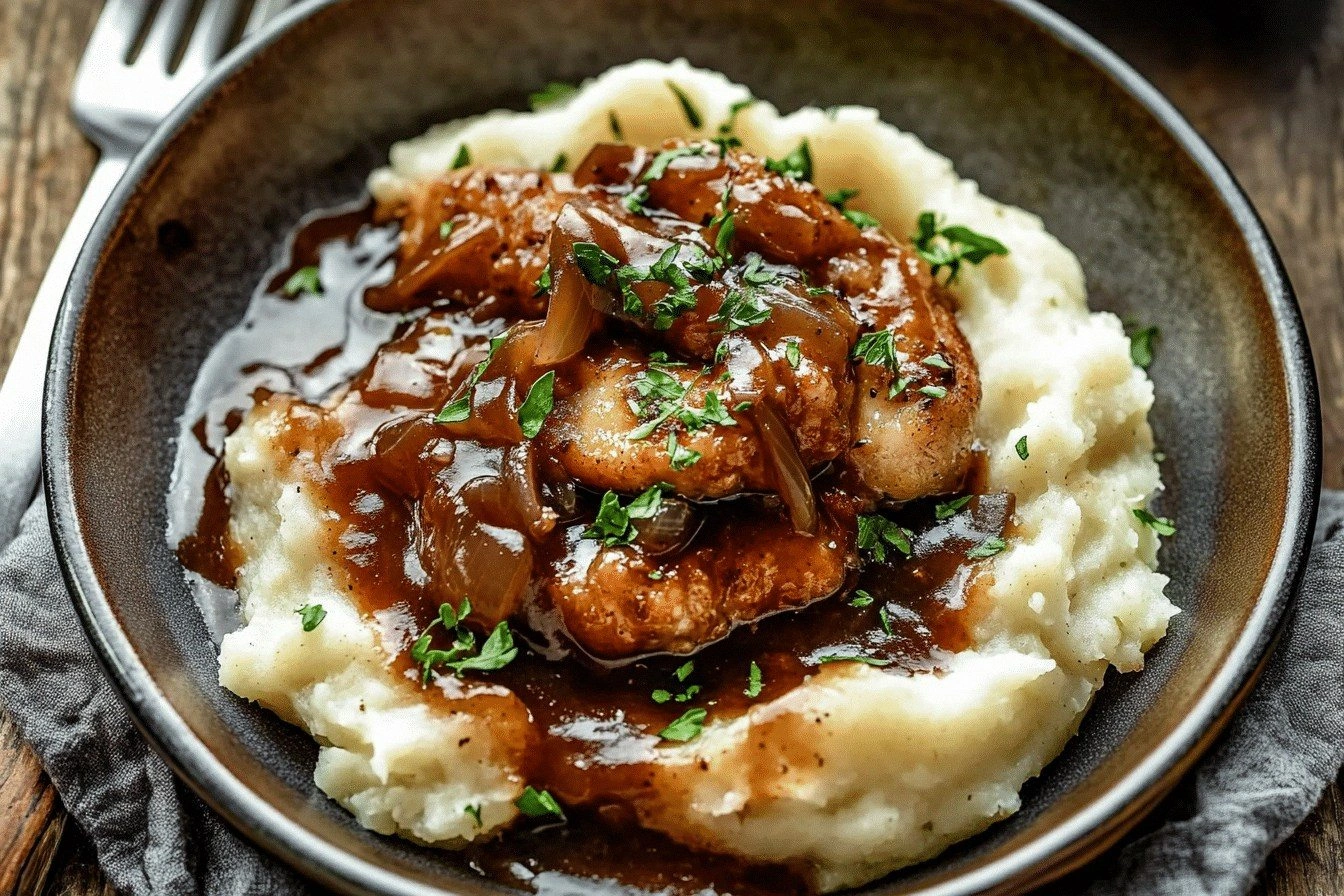
- Plate the mashed potatoes in a shallow dish, then spoon the thick gravy over the top. Arrange the sausages on top of the gravy, allowing the juices to mingle. The gravy should coat the sausages and mash like a silky blanket.
- Serve immediately, accompanied by a side of steamed greens or a crisp salad for a balanced meal. The contrast of the warm, hearty dish with cool, fresh greens creates a satisfying dining experience.
- That’s it — you did it. But hold on, I've got a few more tricks that'll take this to another level. Try sprinkling a pinch of smoked paprika or a drizzle of truffle oil for an extra layer of flavor.
Insider Tricks for Flawless Results
The Temperature Rule Nobody Follows
Many cooks skip the step of checking the internal temperature of the sausages, but this can lead to dry, over‑cooked meat. Use a digital thermometer to ensure the center reaches 160°F. A friend once tried skipping this step, and the sausages turned out rubbery and unappetizing. By monitoring the temperature, you guarantee juicy, tender meat every time.
Why Your Nose Knows Best
The aroma of caramelized onions is a reliable indicator of progress. If the scent is sweet and buttery, you’re on the right track. If it smells raw or burnt, adjust the heat. This sensory checkpoint saves you from a burnt gravy and ensures a perfectly sweet base.
The 5‑Minute Rest That Changes Everything
Letting the mashed potatoes rest for five minutes after adding butter and cream allows the starches to rehydrate and the flavors to meld. This simple step results in a more cohesive, creamy mash that holds together better when plated. Skipping the rest can leave the mash dry and crumbly.
The Quick Deglaze Trick
When you pour the stout into the pan, you’ll notice browned bits clinging to the bottom. These bits are flavor gold. Use a wooden spoon to scrape them up, then let the liquid reduce; this enriches the gravy’s depth. A friend once forgot to deglaze and ended up with a flat sauce—never again.
The Secret to a Thick, Velvety Gravy
If the gravy is too thin, whisk in a small slurry of cornstarch and cold water until it thickens to your liking. This technique keeps the gravy smooth without adding extra flour or altering the flavor. I once tried adding more flour, which made the gravy pasty. The slurry method is the clean, professional fix.
Creative Twists and Variations
This recipe is a playground. Here are some of my favorite ways to switch things up:
Smoky Chipotle Banger Mash
Add a teaspoon of chipotle powder to the gravy for a smoky heat that pairs beautifully with the stout. Swap the standard sausages for smoked turkey or pork to deepen the flavor. The result is a dish that feels like a campfire feast in your own kitchen.
Herbed Garlic Sausage Delight
Infuse the sausages with minced garlic and fresh rosemary before cooking. The aromatic herbs elevate the savory notes, while the garlic adds a punch that balances the richness of the mash. This variation is perfect for a cozy Sunday dinner.
Vegetarian Tempeh Bangers
Replace the sausages with marinated tempeh strips, seasoned with soy sauce and ginger. The tempeh absorbs the stout gravy, becoming tender and flavorful. Serve with a side of sautéed kale for a plant‑based twist.
Truffle‑Infused Mash
Drizzle a teaspoon of truffle oil over the mashed potatoes before serving. The earthy aroma complements the stout gravy’s depth and the sausages’ savory profile. This indulgent version is ideal for special occasions.
Spicy Cajun Sausage Edition
Season the sausages with Cajun spice blend and add a splash of hot sauce to the gravy. The bold, spicy flavors contrast the rich, malty sauce, creating a dynamic taste experience. Pair it with a cool cucumber salad to balance the heat.
Miniature Bangers & Mash Cups
Serve individual portions in ramekins, layering mash, gravy, and sausage. These bite‑size servings are perfect for parties or a sophisticated appetizer. Garnish each cup with a sprig of thyme for a fresh finish.
Storing and Bringing It Back to Life
Fridge Storage
Store the leftover mash in an airtight container in the refrigerator for up to 3 days. Reheat it in a saucepan over low heat, adding a splash of milk or cream to restore its creaminess. The gravy can be kept separately in a sealed jar; stir well before reheating.
Freezer Friendly
Freeze the mash in a freezer‑safe container for up to 2 months. Thaw overnight in the fridge, then gently reheat on the stove with a splash of water to prevent drying. The gravy freezes well too; just stir in a little stock when reheating to regain its silky texture.
Best Reheating Method
When reheating, add a tiny splash of water or stock to the mash to steam it back to perfection. For the gravy, heat it slowly over low heat, whisking frequently, to avoid separation. A quick microwave burst works, but stir immediately afterward to redistribute the heat.