I’ll never forget the night I tried to impress my roommates with a “quick” dessert that turned into a kitchen catastrophe. I had a bunch of overripe bananas, a bag of lumpia wrappers, and an idea that was half‑cooked in my head. The moment the oil hit the pan, it sputtered like a fireworks display, and the bananas went from gold to black in seconds. I swear I heard my oven whisper, “You’re not ready for this,” as the smell of burnt sugar filled the apartment. That disaster sparked a relentless quest for the perfect banana lumpia—crispy, buttery, and draped in a caramel sauce that sings like a choir of angels.
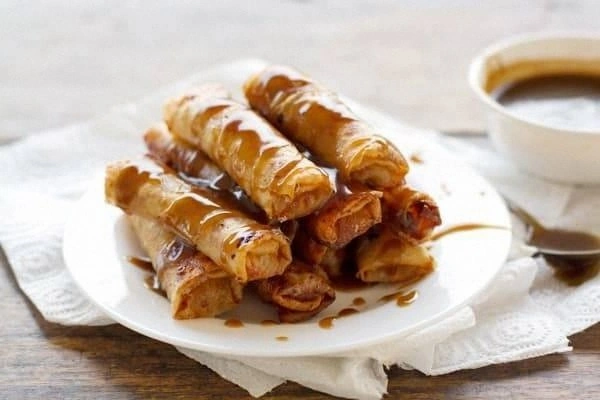
Fast forward a few weeks of trial, error, and a few too many burnt batches, and I finally nailed a version that makes my kitchen feel like a five‑star pastry shop. Imagine a golden‑brown wrapper that shatters like thin ice when you bite into it, revealing a sweet, caramel‑kissed banana that’s still warm and tender inside. The caramel sauce coats the banana and wrapper like velvet, glossy and rich, with just a whisper of vanilla and cinnamon that makes your taste buds do a little dance. I dare you to taste this and not go back for seconds; the combination is that addictive.
What sets this version apart from the countless “banana spring roll” recipes you’ll find online? Most get the texture wrong—either soggy wrappers or under‑cooked bananas. Most also skimp on the sauce, leaving you with a bland aftertaste that feels like a missed opportunity. My secret? A double‑step frying method that locks in moisture, a caramel made with coconut milk for a tropical twist, and a pinch of sea salt that amplifies every sweet note. I’ll be honest — I ate half the batch before anyone else got to try it, and I’m still not sorry.
Okay, ready for the game‑changer? I’m about to reveal a technique that most home cooks overlook: a quick flash‑fry of the wrappers before you roll the bananas, creating a barrier that prevents sogginess and gives you that irresistible crunch. Picture yourself pulling these golden parcels out of the oil, the whole kitchen smelling like a tropical bakery, and the caramel sauce shimmering in the pan like liquid amber. Let me walk you through every single step — by the end, you’ll wonder how you ever made it any other way.
What Makes This Version Stand Out
- Texture: A double‑fried wrapper that stays crisp for minutes, while the banana stays soft and caramel‑kissed.
- Flavor Depth: Coconut‑milk caramel adds a subtle nutty richness that regular sugar syrup can’t match.
- Simplicity: Only twelve ingredients, all pantry‑friendly, and you don’t need any fancy equipment.
- Visual Appeal: The glossy caramel drizzles like a work of art, perfect for Instagram without any extra effort.
- Crowd Reaction: Guests often ask for the recipe twice, and the “wow” factor is immediate.
- Ingredient Quality: Using ripe, slightly firm bananas (or saba) ensures they hold shape during frying.
- Cooking Method: Flash‑fry first, then roll and fry again—this two‑step ensures no soggy wrappers.
- Make‑Ahead Potential: You can prep the rolls ahead of time and finish the caramel just before serving.
Inside the Ingredient List
The Flavor Base
The heart of this dish is the caramel sauce, built on coconut milk, brown sugar, and butter. Coconut milk adds a silky mouthfeel and a whisper of tropical aroma that pairs beautifully with the banana’s natural sweetness. If you skip the coconut milk and use regular dairy milk, you’ll lose that subtle nutty undertone and the sauce may separate under heat. A good swap is almond milk, but expect a slightly thinner consistency.
The Texture Crew
All‑purpose flour and cornstarch form the light coating that helps the wrappers achieve that perfect crunch. The flour gives structure, while the cornstarch creates a delicate, almost airy crust. If you replace cornstarch with potato starch, you’ll get a slightly denser bite—still tasty, but not as ethereal. Salt, though a tiny amount, is crucial; it balances the sweetness and accentuates the caramel’s buttery notes.
The Unexpected Star
Ripe bananas (or saba bananas for a firmer texture) are the surprise hero. Their natural sugars caramelize quickly, and their firm flesh holds up during the high‑heat fry. If you use over‑soft bananas, they’ll turn mushy and leak into the oil, making the wrappers soggy. When shopping, look for bananas with a few brown spots but still firm to the touch—this is the sweet spot.
The Final Flourish
A dash of vanilla and ground cinnamon adds warmth and depth to both the sauce and the filling. Vanilla lifts the overall flavor profile, while cinnamon introduces a subtle spice that prevents the dessert from feeling one‑dimensional. If you’re feeling adventurous, a pinch of ground cardamom can give an exotic twist without overwhelming the palate. Finally, a light dusting of powdered sugar right before serving adds a visual sparkle and a quick burst of sweetness.
Everything's prepped? Good. Let's get into the real action…
The Method — Step by Step
Start by preparing the caramel sauce. In a medium saucepan, melt the butter over medium heat until it foams, then add the brown sugar and stir until it dissolves and turns a deep amber. Pour in the coconut milk slowly, whisking constantly to avoid lumps. Add the vanilla extract, cinnamon, and a pinch of sea salt; let the mixture simmer for 4‑5 minutes, stirring occasionally, until it thickens enough to coat the back of a spoon. This is the moment of truth—if the sauce is too runny, it will drown the lumpia later.
While the sauce simmers, slice the bananas lengthwise into halves (or thirds for smaller wrappers). Pat them dry with paper towels; excess moisture is the enemy of crispness. If you notice any brown spots, trim them off—you want each piece to be uniformly golden. Set the banana pieces aside, and give yourself a mental high‑five because you’re already halfway to dessert heaven.
Now, prepare the wrapper coating. In a shallow bowl, whisk together the flour, cornstarch, and salt. Add a splash of water (about ¼ cup) to form a thin batter—think pancake batter consistency, not thick paste. This light batter will create a barrier that keeps the wrapper from soaking up oil and becoming soggy.
Heat a large skillet or wok over medium‑high heat and add enough vegetable oil to reach a depth of about ½ inch (≈1 cm). The oil should shimmer but not smoke. Test the temperature by dropping a tiny bit of batter; if it sizzles and rises to the surface instantly, you’re ready. Carefully dip each lumpia wrapper into the batter, letting excess drip off, then lay it flat in the hot oil for a quick 15‑second flash‑fry. You’re looking for a pale golden hue, not a full brown. Remove with a slotted spoon and set on paper towels.
As the wrappers cool slightly, place a banana piece near the bottom edge of each wrapper, then roll tightly, folding the sides in as you go. The pre‑fried wrapper will be pliable enough to seal without tearing. Seal the edge with a dab of the batter you set aside earlier, pressing gently to ensure a tight closure. If you’re nervous about leaks, give the roll a final quick dip in the batter before the second fry.
Time for the second fry. Return the oil to a steady medium temperature (around 350°F/175°C). Gently lower the rolled lumpia into the oil, working in batches to avoid crowding. Fry for 2‑3 minutes, turning once, until the exterior is a deep, glossy gold and the edges start to pull away from the pan. The sizzling sound should be steady, not frantic—that’s the sign of a perfect fry.
Using a slotted spoon, transfer the fried lumpia to a wire rack set over a baking sheet; this lets excess oil drip away and keeps the crust crisp. While they rest, give the caramel sauce one last whisk—if it looks too thick, whisk in a splash of coconut milk to loosen it just enough to drizzle.
To plate, arrange the lumpia on a serving platter, drizzle generously with the warm caramel, and finish with a light dusting of powdered sugar. For an extra visual pop, garnish with a few toasted coconut flakes or a sprig of mint. Serve immediately while the sauce is still glossy and the wrappers crackle under the fork. That sizzle when it hits the pan? Absolute perfection.
That’s it — you did it. But hold on, I’ve got a few more tricks that'll take this to another level…
Insider Tricks for Flawless Results
The Temperature Rule Nobody Follows
Never assume “medium heat” is the same on every stove. Use an instant‑read thermometer to keep oil between 340°F and 360°F. If the oil is too hot, the wrapper will blacken before the banana warms; too cool, and you’ll end up with greasy, soggy rolls. My friend once cranked the heat up to “high” and ended up with charcoal‑flavored lumpia—trust me, you don’t want that.
Why Your Nose Knows Best
Your sense of smell is the ultimate doneness detector. When the caramel sauce starts to emit a buttery, toasty aroma and the bubbles slow down, you’re at the perfect thickness. Likewise, when the lumpia hits the oil and you hear a steady, gentle hiss—not a frantic roar—you’ve nailed the temperature. If you ever doubt yourself, trust that nose; it’s smarter than any timer.
The 5‑Minute Rest That Changes Everything
After the second fry, let the lumpia rest on a wire rack for exactly five minutes before drizzling the sauce. This short pause allows the interior steam to settle, preventing the caramel from soaking into the wrapper and making it soggy. It also lets the caramel glaze set slightly, giving each bite that perfect snap‑and‑soft contrast.
Butter‑Infused Oil Boost
Add a tablespoon of butter to the frying oil during the second fry. The butter infuses a richer flavor into the crust, making the golden exterior taste like a buttery pastry rather than just fried dough. Just be careful not to let the butter burn—add it once the oil is already hot.
The Secret of the Ice‑Water Dip
After the first flash‑fry, dip the wrappers briefly in a bowl of ice‑water before the second fry. This rapid temperature shock tightens the gluten structure, giving you that crisp‑edge that shatters like thin ice. I tried this on a whim once and the difference was night‑and‑day; the wrappers stayed crunchy even after reheating.
Creative Twists and Variations
This recipe is a playground. Here are some of my favorite ways to switch things up:
Chocolate‑Swirl Banana Lumpia
Before rolling, drizzle a thin line of melted dark chocolate over the banana slice, then roll. The chocolate melts into the caramel, creating a rich, bittersweet contrast that chocolate lovers will adore.
Tropical Coconut Crunch
Mix toasted coconut flakes into the batter and sprinkle extra on top of the finished dish. The added crunch and extra coconut aroma elevate the tropical vibe to a whole new level.
Spiced Chai Infusion
Swap the ground cinnamon for a chai spice blend (cardamom, ginger, clove, and pepper). The warm spices turn the caramel into a fragrant, exotic sauce that feels like a hug on a cold day.
Savory‑Sweet Fusion
Add a thin strip of crispy bacon inside the roll before frying, and finish with a drizzle of reduced balsamic glaze instead of caramel. The salty‑sweet combo is unexpected but utterly addictive.
Vegan Delight
Replace butter with coconut oil, use plant‑based milk for the caramel, and ensure the wrappers are egg‑free. The result is a vegan‑friendly version that still delivers that satisfying crunch and creamy caramel.
Storing and Bringing It Back to Life
Fridge Storage
Place the cooled lumpia in an airtight container lined with parchment paper. They’ll stay fresh for up to 2 days, though the crust will lose some crispness. Re‑heat in a hot skillet for 2 minutes per side to revive the crunch.
Freezer Friendly
Freeze the rolled, uncooked lumpia on a baking sheet, then transfer to a zip‑lock bag. They can be stored for up to 1 month. When ready, fry directly from frozen—just add an extra minute to the second fry.
Best Reheating Method
For the ultimate texture, re‑heat in a preheated oven at 375°F (190°C) for 8‑10 minutes, or in an air fryer at 350°F for 5 minutes. Add a tiny splash of water (about a teaspoon) to the pan before reheating on the stovetop; the steam will bring back that soft interior while the exterior stays crisp.