I was standing in my kitchen, staring at a half‑roasted chicken and a pile of Brussels sprouts that looked more like a green army than a dinner. My friends had dared me to create something that would make them forget the last time I burnt the garlic. I swore to myself that I would turn this culinary mishap into a triumph, and the result was a dish that practically sang from the skillet.
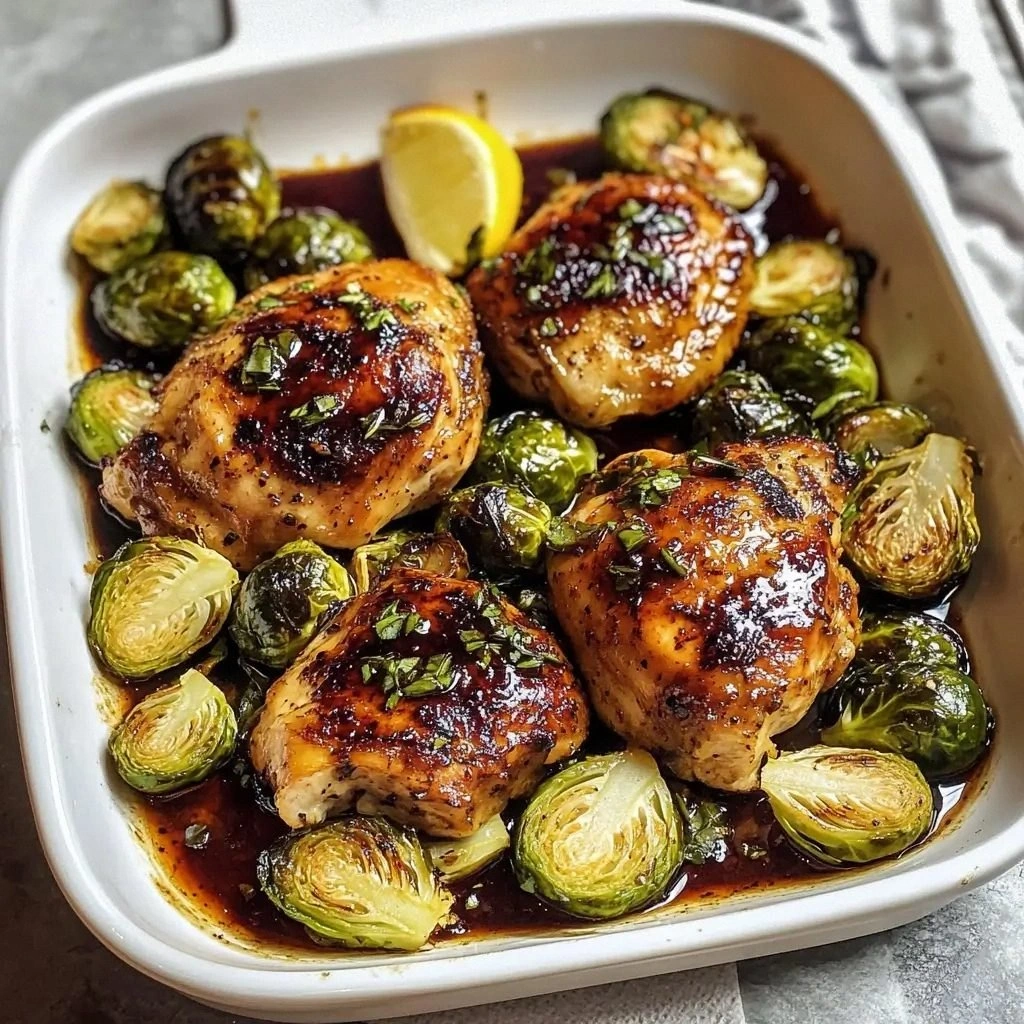
The first thing that caught my eye was the way the Brussels sprouts glistened under the heat, their edges curling into a caramelized halo. The air was thick with the sweet scent of balsamic vinegar mingling with the earthy aroma of roasted vegetables. When I lifted the skillet, the steam curled like a fragrant cloud, and the sound of sizzling garlic was music to my ears. The taste was an explosion of sweet and tang, the savory chicken giving a satisfying bite that left my tongue tingling.
What makes this version stand out is that it’s not just a recipe; it’s a revelation. I’ve taken the classic combination of chicken and Brussels sprouts and elevated it with a glaze that has a depth you’d expect from a fine dining experience. The sauce coats the meat like velvet, while the sprouts develop a crisp edge that shatters like thin ice. It’s a dish that balances simplicity and sophistication in a way that feels effortless.
I dare you to taste this and not go back for seconds. If you’re skeptical, picture yourself pulling this out of the oven, the whole kitchen smelling incredible, and a plate that looks as good as it tastes. This is hands down the best version you'll ever make at home. Let me walk you through every single step — by the end, you'll wonder how you ever made it any other way.
What Makes This Version Stand Out
- Flavor: The balsamic glaze is a masterstroke that marries sweet, acidic, and umami notes, creating a sauce that lingers on the palate like a well‑crafted perfume.
- Texture: The Brussels sprouts achieve a caramelized crunch while the chicken remains tender and juicy, offering a delightful contrast in every bite.
- Visual Appeal: The glossy glaze and the deep green of the sprouts make for a dish that looks as stunning as it tastes.
- Time Efficiency: With a prep time of just 15 minutes and a cook time of 30, it’s a go‑to dinner for busy weeknights.
- Ingredient Quality: Using fresh, high‑quality ingredients elevates the dish, turning ordinary proteins and veggies into a gourmet experience.
- Make‑Ahead Potential: The flavors deepen when you let the dish sit overnight, making it perfect for meal prep.
Alright, let's break down exactly what goes into this masterpiece.
Inside the Ingredient List
The Flavor Base
Balsamic vinegar is the heart of this dish, providing a deep, sweet acidity that cuts through the richness of the chicken. I always choose a 20% balsamic for its balance; a higher percentage can be too sharp. If you’re in a pinch, a splash of red wine vinegar can mimic the acidity, but the sweetness will be missing. The glaze is what ties the flavors together, and it’s crucial to let it reduce until it’s thick enough to coat the meat without dripping.
The Dijon mustard adds a subtle kick and a creamy texture to the glaze, acting as a binder that keeps the sauce from separating. A tablespoon of mustard is enough to give the dish a sophisticated edge. If you’re mustard‑averse, a teaspoon of horseradish can provide a similar depth of flavor. Remember, the mustard’s role is to stabilize the glaze, not to dominate it.
Honey is the sweet counterpoint that balances the vinegar’s acidity. It caramelizes beautifully, giving the glaze a glossy finish that’s irresistible. If you prefer a less sweet version, use maple syrup or agave nectar; just reduce the amount to avoid overpowering the other flavors. The key is to let the honey melt into the glaze, creating a harmonious sweetness that lingers.
The Texture Crew
Brussels sprouts are the star of the show, and their quality determines the dish’s final texture. Look for firm, glossy sprouts with no yellow spots or brown edges. Trim the stem ends and remove any yellow leaves; this ensures even roasting. Halving the sprouts helps them cook uniformly and allows the glaze to coat them more evenly.
Chicken breasts are the protein backbone; I choose boneless, skinless for ease of cooking. If you prefer a richer flavor, use thighs, but adjust the cooking time to avoid dryness. Marinating the chicken briefly in olive oil, salt, and pepper adds a subtle layer of flavor that enhances the glaze. The key is to sear the chicken until it develops a golden crust before adding the glaze.
Olive oil is the medium that carries the glaze and helps the sprouts caramelize. A good quality extra‑virgin olive oil adds a fruity note that complements the balsamic. Use about two tablespoons; too much oil can dilute the glaze, while too little will prevent proper browning. A splash of oil also helps the garlic release its aroma without burning.
The Unexpected Star
Red pepper flakes add a subtle heat that brightens the dish without overwhelming the delicate flavors. One half teaspoon is enough; you can adjust based on your spice tolerance. If you’re a fan of a smoky flavor, a pinch of smoked paprika will give the dish a new dimension.
Fresh parsley is a finishing touch that adds a burst of color and a hint of herbal freshness. Two tablespoons of chopped parsley are enough to brighten the plate. If you’re out of parsley, cilantro or basil can serve as a suitable substitute, though the flavor profile will change slightly.
The Final Flourish
Parmesan cheese is optional but adds a salty, nutty finish that complements the glaze. Sprinkle a quarter cup of grated cheese over the dish before serving to create a golden, bubbly topping. If you’re vegan, a sprinkle of nutritional yeast can provide a similar umami boost.
Salt and freshly ground black pepper are the unsung heroes that bring everything together. Salt enhances the sweetness of the glaze, while pepper adds a subtle bite. I recommend seasoning the chicken just before searing to lock in the flavors.
Everything's prepped? Good. Let's get into the real action.
The Method — Step by Step
- Season the chicken breasts generously with salt and pepper on both sides. Heat a cast‑iron skillet over medium‑high heat and add two tablespoons of olive oil. When the oil shimmers, place the chicken in the pan and sear until golden brown on one side, about 3-4 minutes. Flip and repeat the searing on the other side; the chicken should develop a beautiful crust.
- Remove the chicken from the skillet and set it aside on a plate. In the same pan, add the minced garlic and sauté until fragrant, about 30 seconds. The garlic should release its aroma without turning brown; if it starts to darken, lower the heat. This step ensures the garlic flavor remains bright and not bitter.
- Add the halved Brussels sprouts to the skillet, cut side down, and let them sear for 5 minutes. This initial sear is crucial for caramelization; the sprouts should develop a deep golden color. Stir occasionally to prevent sticking. The aroma at this point is a prelude to the dish’s final flavor profile.
- While the sprouts cook, combine balsamic vinegar, honey, Dijon mustard, and red pepper flakes in a small bowl. Whisk until the mixture is smooth and the honey is fully incorporated. Pour this glaze over the chicken and Brussels sprouts in the skillet. The glaze should coat everything evenly; stir gently to ensure an even distribution.
- Reduce the heat to low and let the mixture simmer for 5-7 minutes, allowing the glaze to thicken and the flavors to meld. The sauce should coat the chicken and sprouts like a glossy coat. The aroma will intensify, creating a heady, savory perfume that fills the kitchen.
- Add the chopped parsley to the skillet, stir, and let it wilt for a minute. Sprinkle the grated Parmesan cheese over the top, allowing it to melt slightly into the glaze. The cheese will create a golden, bubbly topping that adds a savory depth.
- Serve immediately, spooning the remaining glaze over the chicken and Brussels sprouts. Pair it with a side of creamy mashed potatoes or a bed of fluffy rice to soak up the sauce. The dish is best enjoyed hot, when the glaze is still glossy and the sprouts are crisp.
That's it — you did it. But hold on, I've got a few more tricks that'll take this to another level.
Insider Tricks for Flawless Results
The Temperature Rule Nobody Follows
Many cooks overheat the skillet when searing chicken, which leads to a tough exterior and a dry interior. I always keep the heat medium‑high for searing and then reduce it to low for the glaze stage. This approach ensures the chicken remains juicy while the glaze thickens without burning.
Why Your Nose Knows Best
The aroma of caramelized Brussels sprouts is a telltale sign that they’re perfectly roasted. When the sprouts emit a sweet, nutty scent, you know they’re ready. If they still smell raw or bitter, give them a few more minutes.
The 5-Minute Rest That Changes Everything
After cooking, let the chicken rest for five minutes before slicing. This allows the juices to redistribute, ensuring each bite is moist. I’ve seen people cut into the chicken immediately, only to find it dry and unappealing.
The Secret to a Glaze That Sticks
Adding a tablespoon of cornstarch to the glaze before pouring it over the skillet helps it thicken and adhere to the ingredients. The cornstarch should be dissolved in a little water first to avoid lumps. This trick gives the glaze a silkier finish.
The Quick Chill Trick
If you’re preparing this dish ahead of time, let it cool to room temperature, then refrigerate in an airtight container. When reheating, add a splash of water or chicken broth to rehydrate the sauce. This keeps the dish from drying out and preserves the glaze’s texture.
Creative Twists and Variations
This recipe is a playground. Here are some of my favorite ways to switch things up:
Mediterranean Twist
Swap the balsamic glaze for a lemon‑olive oil dressing, add sun‑dried tomatoes, and finish with a sprinkle of crumbled feta. The citrus brightens the dish while the feta adds a salty kick.
Spicy Kick
Add a tablespoon of harissa paste to the glaze for a smoky heat, or sprinkle cayenne pepper on the Brussels sprouts before roasting. This variation is perfect for heat lovers.
Herb Garden
Replace the parsley with fresh thyme or rosemary, and add a handful of chopped basil at the end. The herb bouquet transforms the flavor profile into something fresh and aromatic.
Vegan Version
Use tempeh or tofu instead of chicken, and replace the Parmesan with nutritional yeast. The glaze works just as well, giving a hearty, plant‑based meal.
Sweet & Smoky
Incorporate a teaspoon of smoked paprika into the glaze and drizzle a little maple syrup over the finished dish. The smoky sweetness creates a complex flavor that pairs well with a glass of red wine.
Storing and Bringing It Back to Life
Fridge Storage
Store leftovers in an airtight container in the refrigerator for up to 3 days. The glaze will thicken slightly, but it will still be delicious.
Freezer Friendly
Freeze the dish in a freezer‑safe container for up to 2 months. Reheat in the oven at 350°F (175°C) for 15 minutes, or until warmed through.
Best Reheating Method
Add a splash of water or broth before reheating to prevent the glaze from drying out. Reheat gently on low heat or in a microwave on a low setting, stirring occasionally.