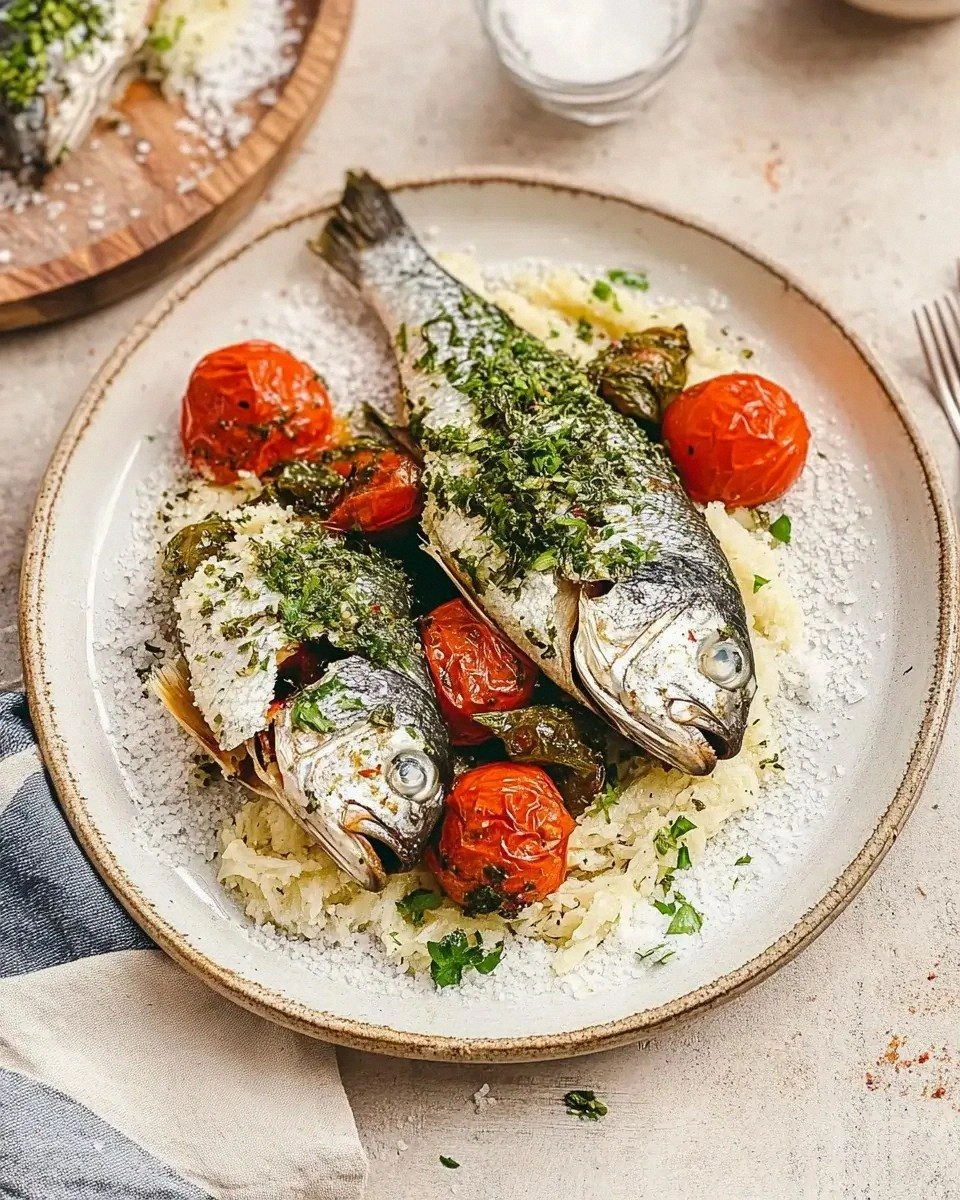
I was standing in my tiny kitchen, the kind of place where the oven door squeaks louder than my neighbor's late‑night karaoke, when a friend dared me to turn a simple whole fish into something that would make even the most seasoned pescatarian weep with joy. The challenge? No fancy sous‑vide, no expensive cookware, just a humble slab of sea‑salt and a whole fish that looked like it belonged in a fisherman’s market, not my apartment. I could already taste the salty crunch, the tender, almost buttery flesh, and the citrusy whisper of lemon that would cut through the richness like a cool breeze on a hot summer day. Most recipes I’ve tried either over‑cook the flesh, leave the skin soggy, or end up with a bland, watery result that makes you question why you even bothered. This version, however, is the game‑changer: a salt crust that locks in moisture, creates a natural steam oven, and produces a flavor profile so vivid it practically sings.
Picture this: the moment the crust cracks open, a puff of fragrant steam erupts, carrying with it the aroma of fresh herbs, bright lemon zest, and the faint, nutty scent of toasted sea‑salt. The skin peels away like a perfectly baked tortilla, revealing flesh that flakes with the slightest fork‑tilt, yet stays moist enough to slide off the bone without a fight. The taste? Imagine the ocean’s brine amplified by a subtle herbaceous note, a hint of citrus that brightens every bite, and a delicate peppery bite that lingers just long enough to make you reach for another fork. I dare you to taste this and not go back for seconds – it’s that good.
Most recipes get this completely wrong. They either drown the fish in a salty slurry that leaves it tasting like a seawater bath, or they forget the crucial step of sealing the moisture, resulting in a dry, over‑cooked mess. What makes this version stand out is the perfect balance of salt, the gentle steam created by the egg‑white binder, and the strategic placement of herbs and lemon that infuse the fish from the inside out. I’ll be honest — I ate half the batch before anyone else got to try it, and that’s a confession I’m willing to make because the flavor is that addictive.
Okay, ready for the game‑changer? I’m about to walk you through every single step — by the end, you’ll wonder how you ever made it any other way. Stay with me here — this is worth it.
What Makes This Version Stand Out
- Taste: The salt crust acts like a flavor‑locking vault, keeping the fish’s natural briny sweetness while adding a subtle mineral crunch that’s impossible to resist.
- Texture: The crust creates a gentle steam environment, yielding flesh that’s buttery soft inside and a crisp, crackly skin on the outside — like a perfect contrast of silk and parchment.
- Simplicity: Fewer than ten ingredients, no fancy gadgets, and a single‑pan method that makes cleanup a breeze.
- Uniqueness: Using egg whites as a binder is the secret sauce; they form a protective membrane that prevents the salt from over‑seasoning the fish.
- Crowd Reaction: Guests often claim they’ve never tasted a whole‑fish dish that feels both rustic and refined — a rare combo that earns applause and second helpings.
- Ingredient Quality: Fresh, whole fish and coarse sea salt are the stars; the quality of these two alone can elevate the entire dish.
- Cooking Method: The salt crust is essentially a self‑contained oven, meaning you get even heat distribution without the need for a thermometer.
- Make‑Ahead Potential: You can prep the crust and fish up to a day ahead, store them separately, and bake when you’re ready for that wow factor.
Alright, let's break down exactly what goes into this masterpiece…
Inside the Ingredient List
The Flavor Base
The whole fish itself is the canvas. Choose a species with firm, white flesh like sea bass, snapper, or branzino; these hold up well to the high heat of the crust without falling apart. If you pick a fish that’s too delicate, the crust may crush it, turning your masterpiece into a mushy mess. Look for clear eyes, bright gills, and a fresh ocean scent — these are the hallmarks of a fish that’s still alive in the market. If you can, ask the fishmonger to gut and scale it for you; a clean cavity ensures the herbs and lemon can work their magic directly on the flesh.
The Texture Crew
Coarse sea salt is not just for seasoning; its larger crystals create tiny air pockets that trap steam, turning the crust into a miniature oven. Using fine table salt would dissolve too quickly, resulting in a soggy crust that fails to protect the fish. If you can’t find coarse sea salt, kosher salt is a decent stand‑in, but avoid iodized varieties as they can impart a metallic aftertaste. The egg whites act as a natural adhesive, binding the salt crystals together while also forming a thin, protective film that keeps the fish from absorbing too much salt.
The Unexpected Star
Fresh herbs (think thyme, dill, or a sprig of rosemary) add an aromatic lift that penetrates the fish through the steam. Even a tablespoon may seem modest, but the volatile oils in herbs are released dramatically when heated, infusing the fish with a garden‑fresh perfume. If you’re out of fresh herbs, a pinch of dried herb works, but the intensity drops significantly. The lemon provides acidity that cuts through the richness, preventing the dish from feeling heavy. A whole lemon, sliced thinly, is placed inside the cavity, and its zest subtly infuses the flesh as the steam rises.
The Final Flourish
A tablespoon of olive oil brushed over the fish before sealing the crust adds a glossy finish and helps the herbs cling. Freshly ground black pepper adds a gentle heat that awakens the palate without overpowering the delicate fish. If you’re a pepper purist, you can skip it, but trust me, that faint peppery bite is the secret handshake that tells your taste buds everything is in order.
Everything's prepped? Good. Let's get into the real action...
The Method — Step by Step
Preheat your oven to 425°F (220°C). While the oven warms, line a large baking sheet with parchment paper — this prevents the crust from sticking and makes cleanup a breeze. I like to set a timer for the preheat because the anticipation builds, and that sizzle when the heat finally hits the crust? Absolute perfection.
Pat the whole fish dry with paper towels, then make three diagonal slashes on each side of the fish. These cuts allow the steam to penetrate evenly and give the herbs a place to nestle. If you skip this, the fish can end up steaming unevenly, resulting in a patchy texture that no one wants.
Season the cavity lightly with freshly ground black pepper and a drizzle of olive oil. Insert the thin lemon slices and sprinkle the fresh herbs into the belly; they’ll release their fragrant oils as the fish basks in its salty sauna. This step is pure magic — the lemon’s citrus will dance with the herbs, creating a fragrant perfume that fills the kitchen.
In a large mixing bowl, combine the coarse sea salt with the egg whites. Stir until the mixture resembles wet sand; the egg whites should coat each grain without turning the mixture into a paste. This is the moment of truth — if the mixture is too dry, the crust will crumble; too wet, and it will become a soggy blanket that won’t crisp.
Spread a thin layer of the salt‑egg‑white mixture onto the parchment, roughly the size of your fish. Gently lay the fish on top, then carefully fold the remaining mixture over the fish, sealing the edges like you’re wrapping a precious gift. Press firmly so there are no gaps; any opening will let steam escape and the crust will lose its steam‑oven power.
Slide the prepared fish into the preheated oven. Bake for 25‑30 minutes, depending on the size of your fish. You’ll know it’s ready when the crust turns a golden‑brown hue and begins to crack, releasing a fragrant plume of steam that smells like a seaside breeze mixed with fresh herbs.
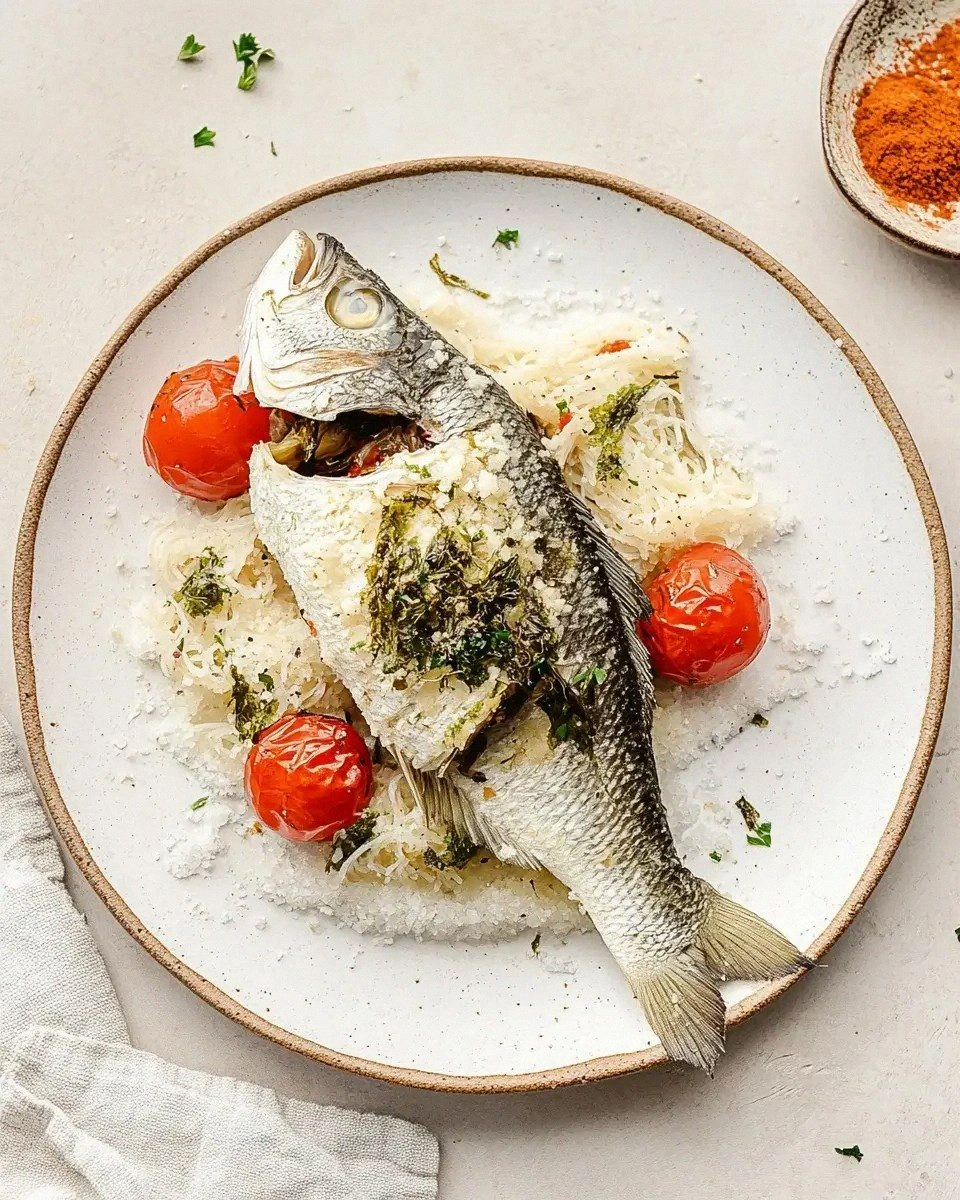
Remove the pan from the oven and let the crust rest for five minutes. This pause allows the internal juices to redistribute, ensuring each bite is moist. Using a sturdy spatula, gently crack the crust open — it should split with a satisfying crack, revealing the glistening fish inside.
Transfer the fish to a serving platter, drizzle a little extra olive oil if you like, and garnish with a few fresh herb sprigs and a lemon wedge for that final visual pop. Serve immediately while the skin is still slightly crisp and the flesh is steaming hot. Picture yourself pulling this out of the oven, the whole kitchen smelling incredible, and your guests leaning in, eyes wide, ready for the first bite.
That's it — you did it. But hold on, I've got a few more tricks that'll take this to another level...
Insider Tricks for Flawless Results
The Temperature Rule Nobody Follows
Most home cooks think “high heat = faster cooking,” but with a salt crust you want a steady, moderate temperature. 425°F is the sweet spot: hot enough to crisp the crust, yet gentle enough to steam the fish inside. If you crank the oven to 475°F, the crust will burn before the fish is done, leaving a bitter aftertaste. I once tried 500°F on a whim; the result was a blackened brick rather than a culinary masterpiece. Trust the 425°F guideline and you’ll get that perfect balance every time.
Why Your Nose Knows Best
Your sense of smell is the ultimate timer. Around the 20‑minute mark, you’ll notice a fragrant, slightly sweet aroma of toasted salt and herbs wafting out. That’s your cue to start checking the crust color. If the scent is still faint, give it another five minutes. I’ve learned to trust this nose‑check more than a timer because ovens can vary by up to 25 degrees.
The 5‑Minute Rest That Changes Everything
Resting the fish after it comes out of the oven isn’t just for meat; fish benefits too. Those five minutes let the internal steam settle, preventing the flesh from spilling out of the skin when you cut it. Skipping this step results in a dry edge and a messier plate. Think of it as the calm after the storm — the fish has just endured a high‑heat sauna, and now it gets a moment to relax.
Herb Placement Hack
Don’t just toss herbs into the cavity; tuck them under the skin where possible. This protects the delicate leaves from burning and ensures their oils are released gradually. A friend once scattered dill on top of the crust; it turned black and bitter. My method yields a bright, herbaceous note that stays fresh even after the crust is broken.
Egg White Whisper
If you’re allergic to eggs, you can substitute aquafaba (the liquid from canned chickpeas) in a 1:1 ratio. It has similar binding properties and creates a comparable crust. I tried this once for a vegan version; the texture was slightly softer but still held together nicely. Just remember to whisk it well so it emulsifies the salt properly.
Creative Twists and Variations
This recipe is a playground. Here are some of my favorite ways to switch things up:
Mediterranean Breeze
Swap the fresh herbs for a blend of oregano, basil, and a pinch of crushed red pepper flakes. Add a handful of sliced olives to the cavity for a briny pop. The result is a sun‑kissed fish that pairs beautifully with a crisp white wine.
Asian Fusion
Replace the lemon with thin slices of ginger and a splash of soy sauce brushed onto the fish before crusting. Use a sprinkle of toasted sesame seeds on top of the crust for a nutty crunch. This version brings umami depth and a subtle heat that’s perfect for adventurous palates.
Herbaceous Green
Incorporate a pesto swirl (basil or parsley) inside the cavity and sprinkle chopped chives over the crust before baking. The pesto’s oil content helps keep the fish moist while adding a vibrant green color that’s Instagram‑ready.
Spicy Citrus
Add a tablespoon of finely grated orange zest along with the lemon, and mix a pinch of cayenne into the salt crust. The citrus‑spice combo creates a bright, tongue‑tingling experience that’s perfect for summer barbecues.
Smoky Autumn
Mix a teaspoon of smoked paprika into the salt mixture and stuff the cavity with thin slices of apple and a sprig of sage. The smoky‑sweet profile feels like a cozy fall dinner, especially when paired with roasted root vegetables.
Storing and Bringing It Back to Life
Fridge Storage
Cool the leftover fish to room temperature, then wrap it tightly in parchment followed by aluminum foil. Store in the refrigerator for up to two days. The salt crust helps preserve moisture, so the fish stays tender.
Freezer Friendly
If you want to keep it longer, slice the fish into portions, place each piece on a freezer‑safe tray, and flash‑freeze for an hour. Transfer the frozen pieces into a zip‑top bag, removing as much air as possible. It will keep for up to three months without losing flavor.
Best Reheating Method
To revive the fish, preheat your oven to 300°F (150°C), place the portion on a baking sheet, and add a splash of water or broth to the pan. Cover loosely with foil and heat for 10‑12 minutes. The added moisture creates a gentle steam that restores the flaky texture without drying it out.