
Baked Salmon Fillets
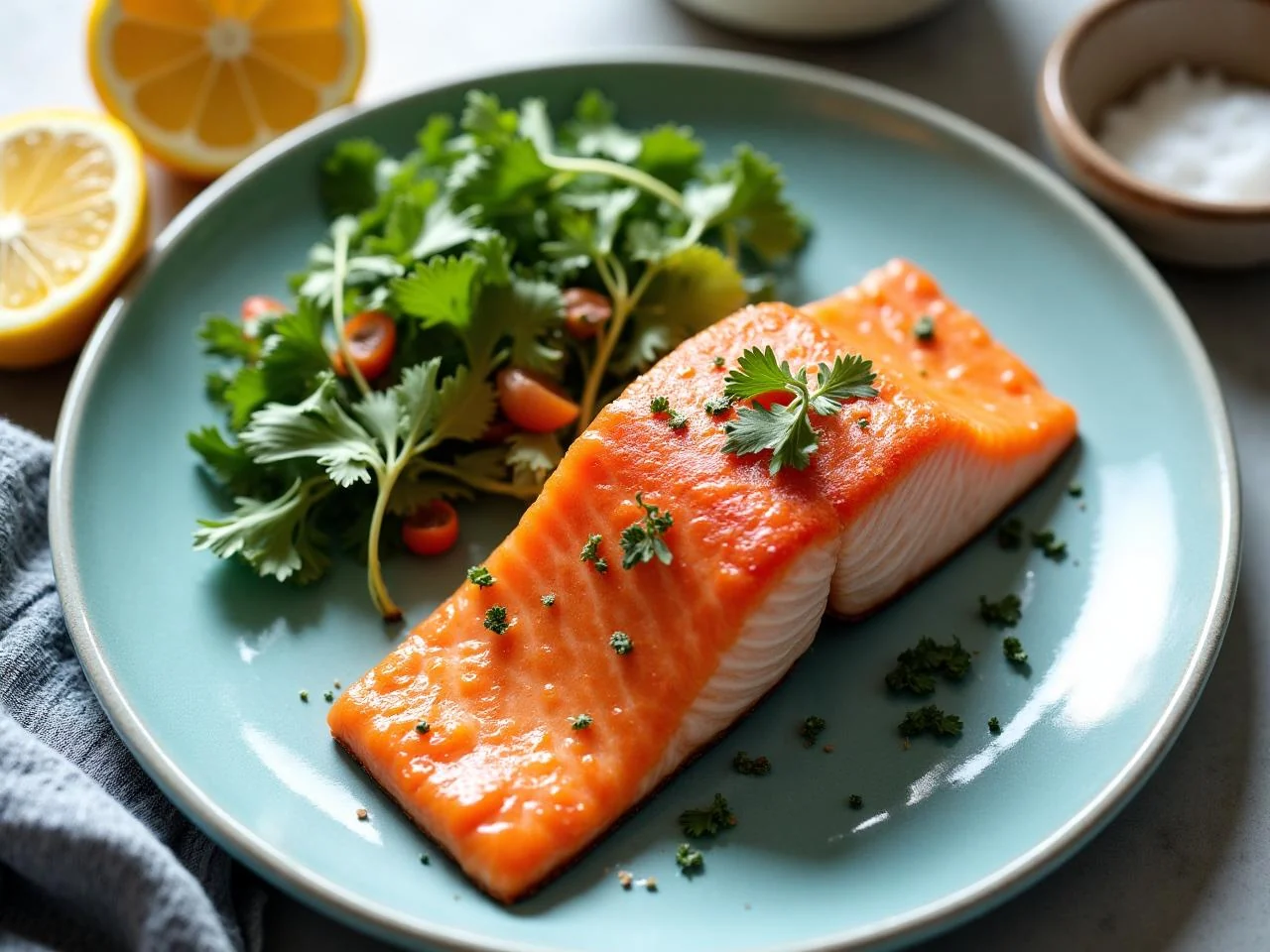
I still remember the first time I baked salmon fillets in my home kitchen. It was a game-changer for me, as I had always been intimidated by cooking seafood. But with a few simple tips and tricks, I was able to create a dish that was not only delicious but also impressive. In this recipe, I'll share with you my secrets for baking salmon fillets to perfection.
As a former fishmonger's daughter, I've had the privilege of growing up around fresh seafood. But I know that for many people, cooking fish can be daunting. That's why I want to assure you that this recipe is foolproof and easy to follow, even if you're a beginner. With just a few ingredients and some basic kitchen equipment, you can create a restaurant-quality dish in the comfort of your own home.
So, what makes this recipe special? For starters, it's incredibly easy to make. The preparation time is minimal, and the cooking time is quick. Plus, the ingredients are readily available at most supermarkets. But what really sets this recipe apart is the technique. By baking the salmon fillets in the oven, you can achieve a perfectly cooked crust on the outside while keeping the inside tender and flaky.
This recipe is perfect for anyone looking for a healthy and delicious meal. The salmon fillets are packed with protein and omega-3 fatty acids, making them an excellent choice for a weeknight dinner. And because it's so easy to make, you can have it on the table in no time. Whether you're cooking for yourself or for a crowd, this recipe is sure to impress.
In the following sections, I'll walk you through the recipe step by step, sharing my tips and tricks for achieving the perfect baked salmon fillets. From the ingredients to the cooking technique, I'll cover everything you need to know to make this dish a success.
Why You’ll Love This Recipe
- This recipe is incredibly easy to make, with a preparation time of just a few minutes.
- The salmon fillets are packed with protein and omega-3 fatty acids, making them an excellent choice for a healthy meal.
- The dish is perfect for a weeknight dinner, as it can be cooked in under 20 minutes.
- The recipe is foolproof, even for beginners, and requires minimal ingredients and equipment.
- The salmon fillets can be served with a variety of sides, from roasted vegetables to quinoa and brown rice.
- The dish is elegant enough to serve at a dinner party, but casual enough to enjoy on a weeknight.
- The recipe can be easily scaled up or down, depending on the number of people you're serving.
Why This Recipe Works
The key to this recipe is the combination of a hot oven and a short cooking time. By baking the salmon fillets at a high temperature, you can achieve a crispy crust on the outside while keeping the inside tender and flaky. This technique is called the Maillard reaction, and it's the same principle that makes seared scallops and grilled steak so delicious.
Another important factor is the seasoning. By using a combination of salt, pepper, and lemon juice, you can bring out the natural flavors of the salmon without overpowering it. And because the salmon is baked in the oven, you don't have to worry about the delicate flesh breaking apart or sticking to the pan.
Finally, the resting time is crucial. By letting the salmon fillets rest for a few minutes after cooking, you allow the juices to redistribute and the fish to retain its moisture. This makes all the difference in the texture and flavor of the final dish.
Ingredients You’ll Need
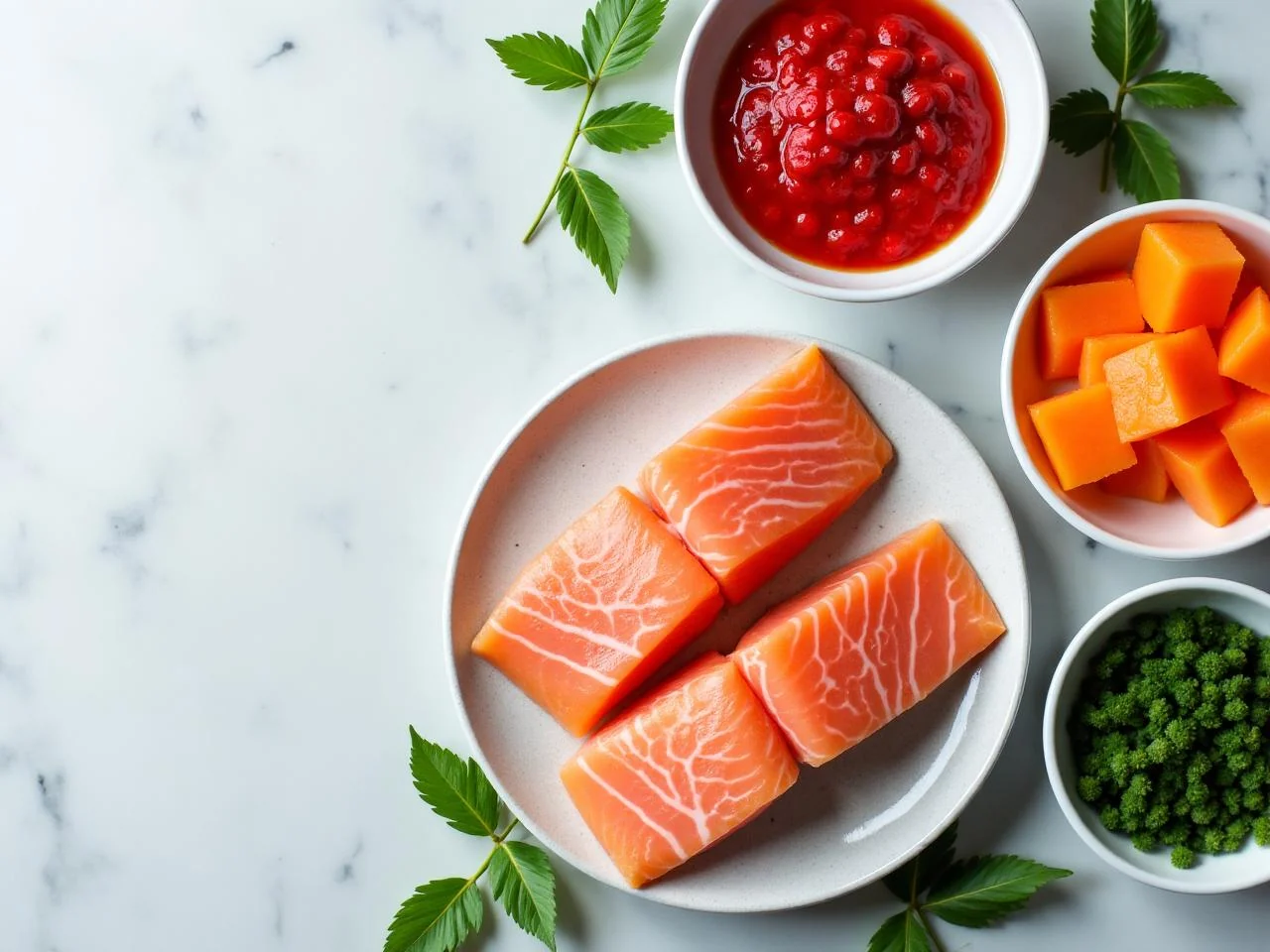
To make this recipe, you'll need just a few ingredients, including salmon fillets, olive oil, salt, pepper, and lemon juice. You'll also need some basic kitchen equipment, such as a baking sheet and a oven. Don't worry if you don't have all of the ingredients on hand - you can easily substitute or omit some of them if needed.
When shopping for salmon fillets, look for fresh, sustainable fish with a vibrant pink color. You can also use frozen salmon fillets, but make sure to thaw them first. For the lemon juice, you can use freshly squeezed or bottled juice - just be sure to adjust the amount to taste.
- 4 salmon fillets, 6 oz (170g) eachLook for fresh, sustainable fish with a vibrant pink color. You can also use frozen salmon fillets, but make sure to thaw them first.
- 2 tbsp olive oilUse a high-quality olive oil with a mild flavor to avoid overpowering the salmon.
- 1 tsp saltUse kosher salt or sea salt for the best flavor. You can also use regular table salt if that's all you have on hand.
- 1/2 tsp black pepperFreshly ground black pepper is best, but you can also use pre-ground pepper if that's what you have.
- 2 tbsp lemon juiceUse freshly squeezed or bottled lemon juice - just be sure to adjust the amount to taste.
- 2 cloves garlic, mincedUse fresh garlic for the best flavor. You can also use jarred garlic if that's what you have on hand.
- 1/4 cup chopped fresh parsleyUse fresh parsley for the best flavor and texture. You can also use dried parsley if that's all you have.
- 1/4 cup chopped fresh dillUse fresh dill for the best flavor and texture. You can also use dried dill if that's all you have.
- 1/2 tsp paprikaUse smoked or sweet paprika for the best flavor. You can also use regular paprika if that's all you have.
- 1/4 tsp cayenne pepperUse cayenne pepper to add a touch of heat to the dish. You can omit it if you prefer a milder flavor.
- 1/4 cup grated Parmesan cheeseUse fresh Parmesan cheese for the best flavor. You can also use dried Parmesan cheese if that's all you have.
Equipment You’ll Need
How to Make Baked Salmon Fillets
- 1Preheat the oven to 400 F (200 C).
- 2Line a large baking sheet with parchment paper or aluminum foil.
- 3Place the salmon fillets on the prepared baking sheet, leaving about 1 inch (2.5 cm) of space between each fillet.
- 4Drizzle the olive oil over the salmon fillets, making sure each fillet is coated with a thin layer of oil.
- 5Sprinkle the salt, pepper, and paprika over the salmon fillets, dividing the seasonings evenly among the fillets.
- 6Place the baking sheet in the oven and bake for 12-15 minutes, or until the salmon fillets reach an internal temperature of 145 F (63 C).
- 7Remove the baking sheet from the oven and sprinkle the minced garlic over the salmon fillets.
- 8Return the baking sheet to the oven and bake for an additional 1-2 minutes, or until the garlic is fragrant and the salmon is cooked through.
- 9Remove the baking sheet from the oven and sprinkle the chopped parsley and dill over the salmon fillets.
- 10Drizzle the lemon juice over the salmon fillets, making sure each fillet is coated with a thin layer of juice.
- 11Sprinkle the grated Parmesan cheese over the salmon fillets, dividing the cheese evenly among the fillets.
- 12Let the salmon fillets rest for 2-3 minutes before serving.
- 13Serve the salmon fillets hot, garnished with additional parsley and lemon wedges if desired.
Expert Tips
- Make sure to pat the salmon fillets dry with a paper towel before baking to remove excess moisture.
- Don't overcrowd the baking sheet, as this can cause the salmon fillets to steam instead of bake.
- Use a high-quality olive oil with a mild flavor to avoid overpowering the salmon.
- Don't overbake the salmon fillets, as this can cause them to become dry and tough.
- Let the salmon fillets rest for a few minutes before serving to allow the juices to redistribute and the fish to retain its moisture.
- Use fresh parsley and dill for the best flavor and texture.
- Don't be afraid to experiment with different seasonings and ingredients to find the combination that works best for you.
- Consider serving the salmon fillets with a side of roasted vegetables or quinoa for a well-rounded meal.
Common Mistakes to Avoid
- Overcrowding the baking sheet, which can cause the salmon fillets to steam instead of bake.
- Not patting the salmon fillets dry with a paper towel before baking, which can cause excess moisture to accumulate.
- Overbaking the salmon fillets, which can cause them to become dry and tough.
- Not letting the salmon fillets rest for a few minutes before serving, which can cause the fish to lose its moisture and flavor.
- Not using fresh ingredients, such as parsley and dill, which can affect the flavor and texture of the dish.
- Not adjusting the cooking time and temperature according to the thickness and size of the salmon fillets.
Variations and Substitutions
- Try using different types of fish, such as cod or tilapia, for a different flavor and texture.
- Add some heat to the dish by sprinkling a pinch of cayenne pepper over the salmon fillets.
- Use different herbs and spices, such as thyme or rosemary, to give the dish a unique flavor.
- Add some acidity to the dish by squeezing a slice of lemon over the salmon fillets.
- Try using a different type of cheese, such as feta or goat cheese, for a tangy and creamy flavor.
- Add some crunch to the dish by sprinkling some chopped nuts or seeds over the salmon fillets.
- Try serving the salmon fillets with a side of roasted vegetables or quinoa for a well-rounded meal.
What to Serve With Baked Salmon Fillets
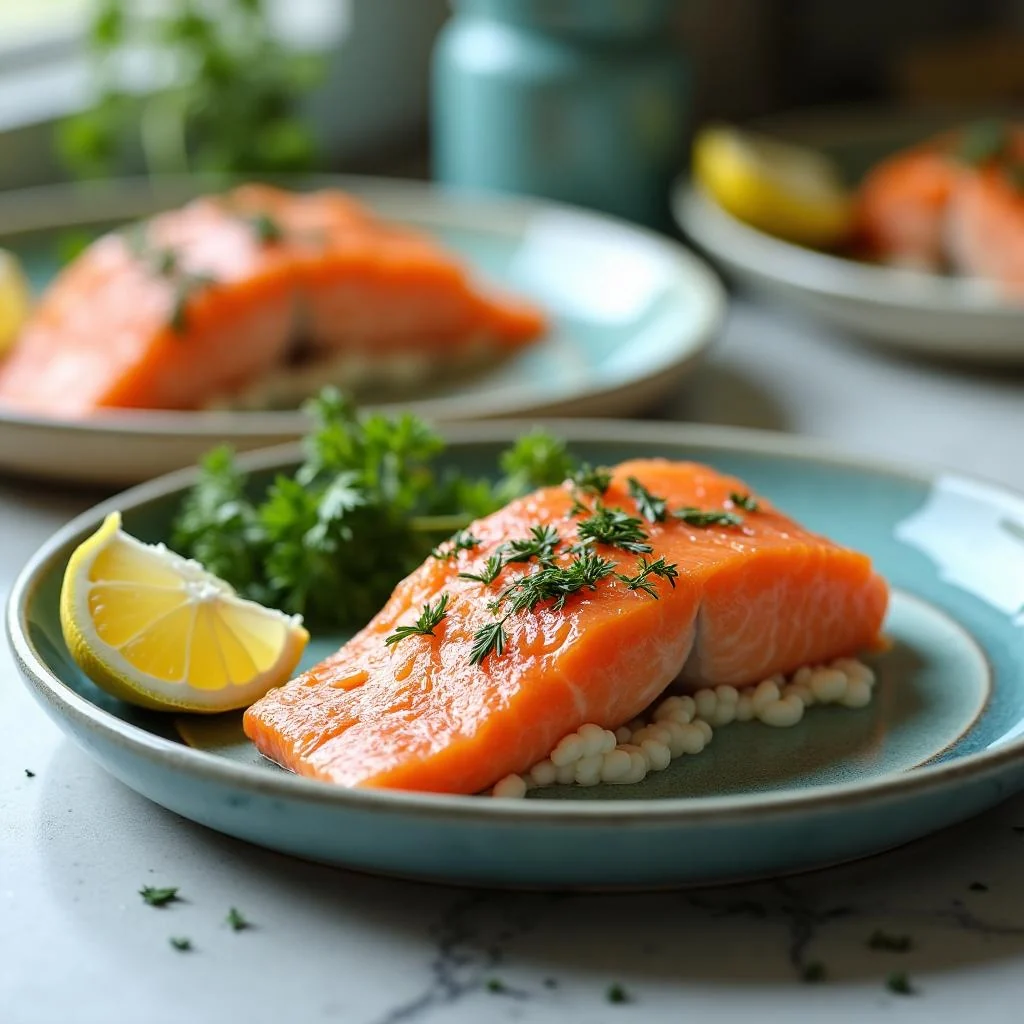
Serve the baked salmon fillets hot, garnished with additional parsley and lemon wedges if desired. You can also serve the dish with a side of roasted vegetables, quinoa, or brown rice for a well-rounded meal.
Some other ideas for serving the baked salmon fillets include:
Roasted asparagus with lemon butter
Grilled or sautéed spinach with garlic and lemon
Roasted sweet potatoes with rosemary and olive oil
Quinoa salad with chopped vegetables and a lemon vinaigrette
Make-Ahead, Storage, Freezing and Reheating
The baked salmon fillets can be stored in the refrigerator for up to 3 days. To store, place the cooked salmon fillets in an airtight container and refrigerate at 40 F (4 C) or below.
To freeze, place the cooked salmon fillets in a freezer-safe bag or container and store in the freezer at 0 F (-18 C) or below. Frozen salmon fillets can be stored for up to 3 months.
To reheat, place the frozen salmon fillets in the refrigerator overnight to thaw. Then, bake in the oven at 350 F (180 C) for 10-12 minutes, or until heated through.
It's also possible to make the salmon fillets ahead of time and store them in the refrigerator or freezer until ready to bake. Simply prepare the salmon fillets as directed, but do not bake. Instead, place the prepared salmon fillets in an airtight container or freezer-safe bag and store in the refrigerator or freezer until ready to bake.
Frequently Asked Questions
What type of salmon is best for baking?
Any type of salmon can be used for baking, but wild-caught Alaskan or Pacific salmon is recommended for its rich flavor and firm texture.
How do I know if the salmon is cooked through?
The salmon is cooked through when it reaches an internal temperature of 145 F (63 C). You can also check for doneness by inserting a fork or knife into the thickest part of the fillet - if it slides in easily, the salmon is cooked through.
Can I use frozen salmon fillets?
Yes, frozen salmon fillets can be used for this recipe. Simply thaw the fillets according to the package instructions and pat dry with a paper towel before baking.
How do I prevent the salmon from drying out?
To prevent the salmon from drying out, make sure to not overbake the fillets. Also, let the salmon rest for a few minutes before serving to allow the juices to redistribute and the fish to retain its moisture.
Can I make this recipe ahead of time?
Yes, the salmon fillets can be prepared ahead of time and stored in the refrigerator or freezer until ready to bake. Simply prepare the salmon fillets as directed, but do not bake. Instead, place the prepared salmon fillets in an airtight container or freezer-safe bag and store in the refrigerator or freezer until ready to bake.
What are some variations of this recipe?
Some variations of this recipe include using different types of fish, such as cod or tilapia, or adding different herbs and spices to give the dish a unique flavor. You can also try serving the salmon fillets with a side of roasted vegetables or quinoa for a well-rounded meal.
How do I store the baked salmon fillets?
The baked salmon fillets can be stored in the refrigerator for up to 3 days. To store, place the cooked salmon fillets in an airtight container and refrigerate at 40 F (4 C) or below.
Can I freeze the baked salmon fillets?
Yes, the baked salmon fillets can be frozen for up to 3 months. To freeze, place the cooked salmon fillets in a freezer-safe bag or container and store in the freezer at 0 F (-18 C) or below.
Ingredients
- 4 salmon fillets, 6 oz (170g) each
- 2 tbsp olive oil
- 1 tsp salt
- 1/2 tsp black pepper
- 2 tbsp lemon juice
- 2 cloves garlic, minced
- 1/4 cup chopped fresh parsley
- 1/4 cup chopped fresh dill
- 1/2 tsp paprika
- 1/4 tsp cayenne pepper
- 1/4 cup grated Parmesan cheese
Instructions
- Preheat the oven to 400 F (200 C).
- Line a large baking sheet with parchment paper or aluminum foil.
- Place the salmon fillets on the prepared baking sheet, leaving about 1 inch (2.5 cm) of space between each fillet.
- Drizzle the olive oil over the salmon fillets, making sure each fillet is coated with a thin layer of oil.
- Sprinkle the salt, pepper, and paprika over the salmon fillets, dividing the seasonings evenly among the fillets.
- Place the baking sheet in the oven and bake for 12-15 minutes, or until the salmon fillets reach an internal temperature of 145 F (63 C).
- Remove the baking sheet from the oven and sprinkle the minced garlic over the salmon fillets.
- Return the baking sheet to the oven and bake for an additional 1-2 minutes, or until the garlic is fragrant and the salmon is cooked through.
- Remove the baking sheet from the oven and sprinkle the chopped parsley and dill over the salmon fillets.
- Drizzle the lemon juice over the salmon fillets, making sure each fillet is coated with a thin layer of juice.
- Sprinkle the grated Parmesan cheese over the salmon fillets, dividing the cheese evenly among the fillets.
- Let the salmon fillets rest for 2-3 minutes before serving.
- Serve the salmon fillets hot, garnished with additional parsley and lemon wedges if desired.